Safe journey. Real adventure!
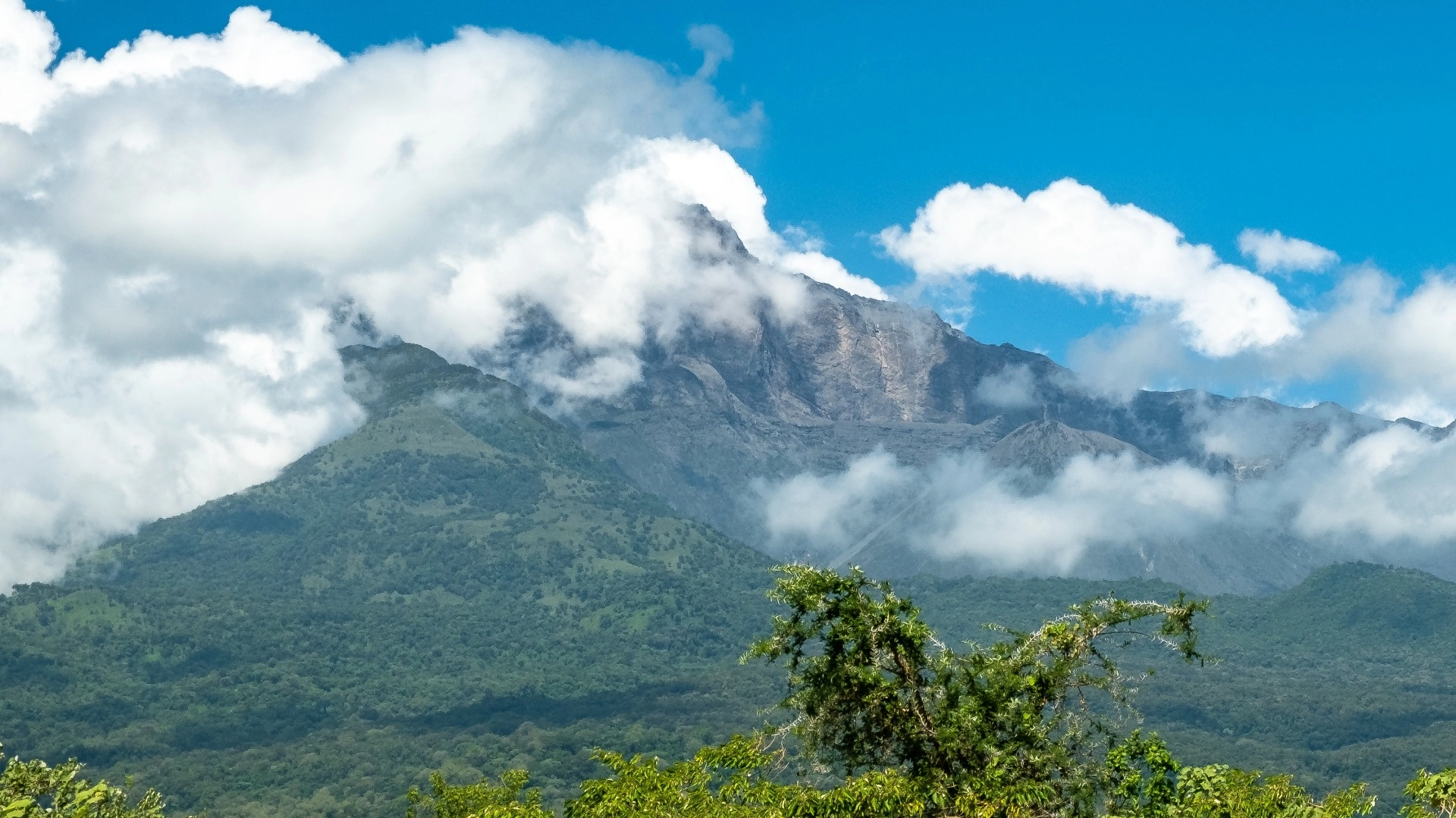
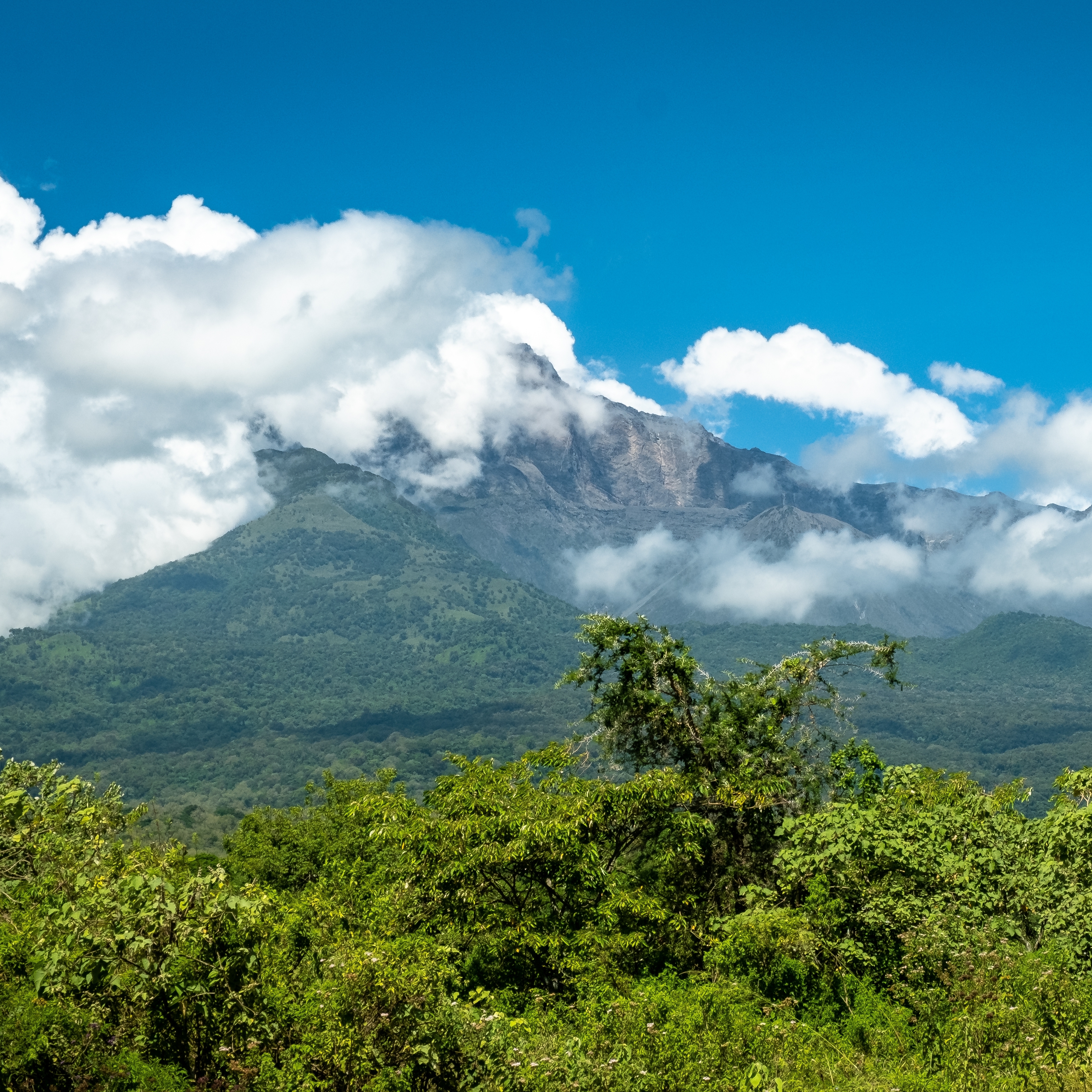
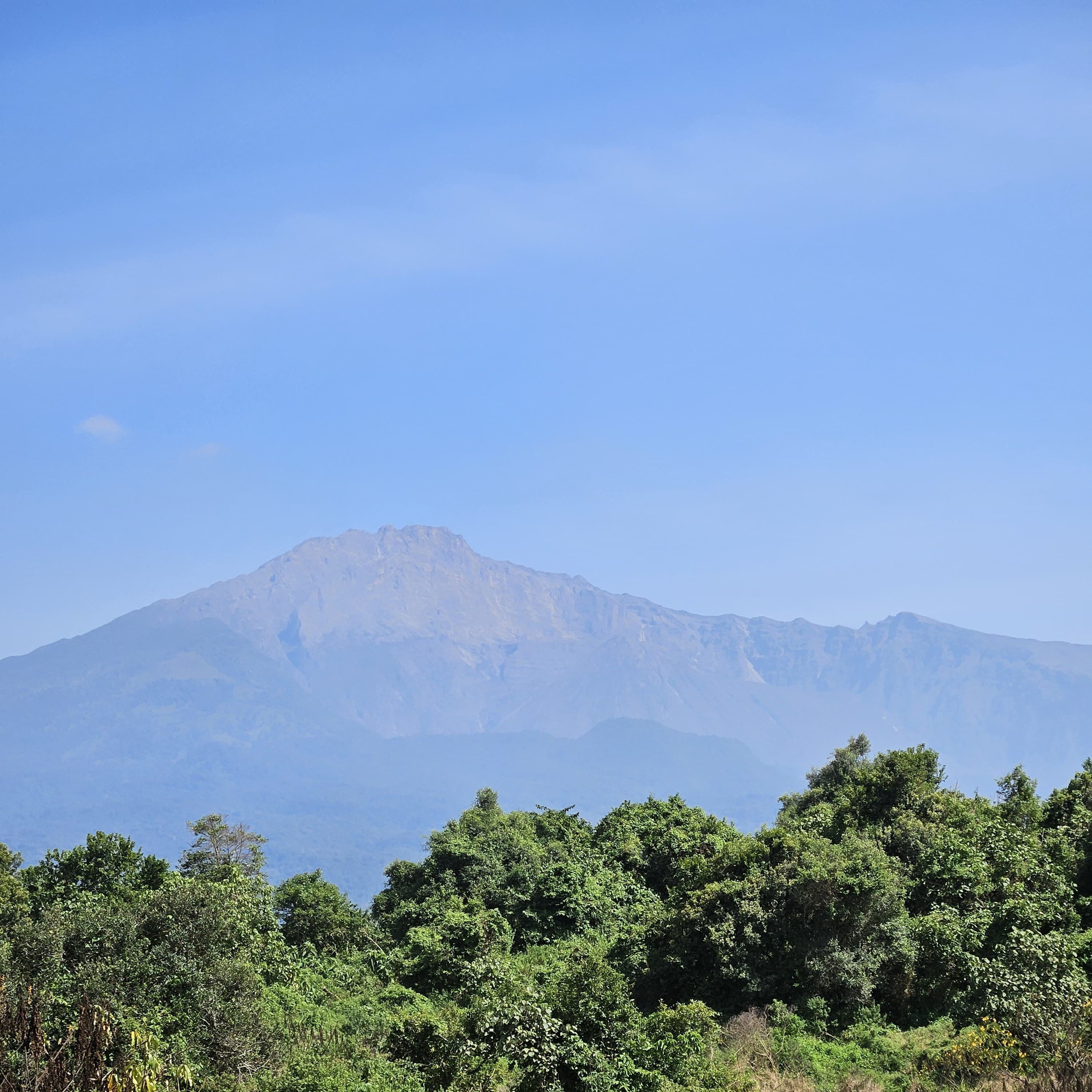
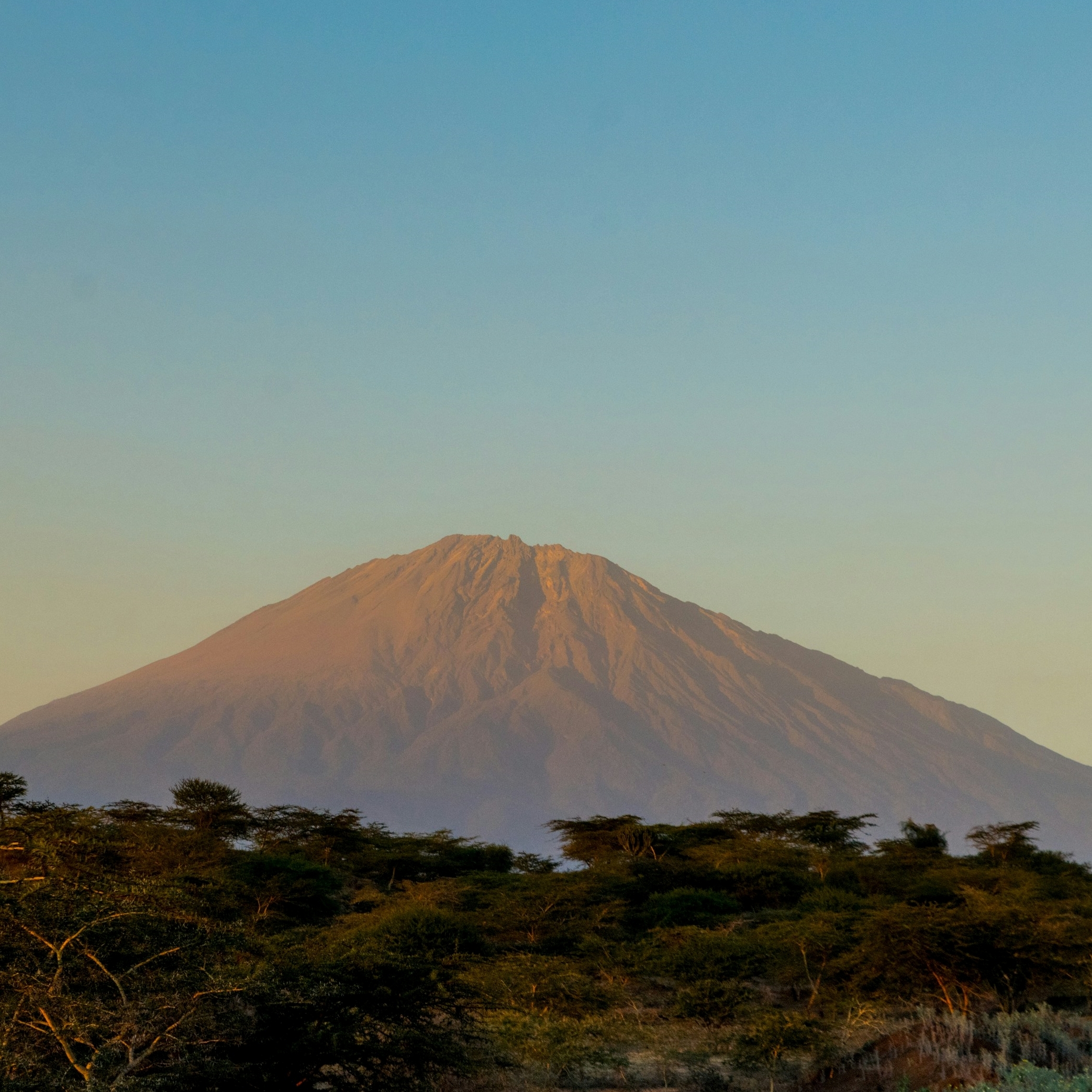
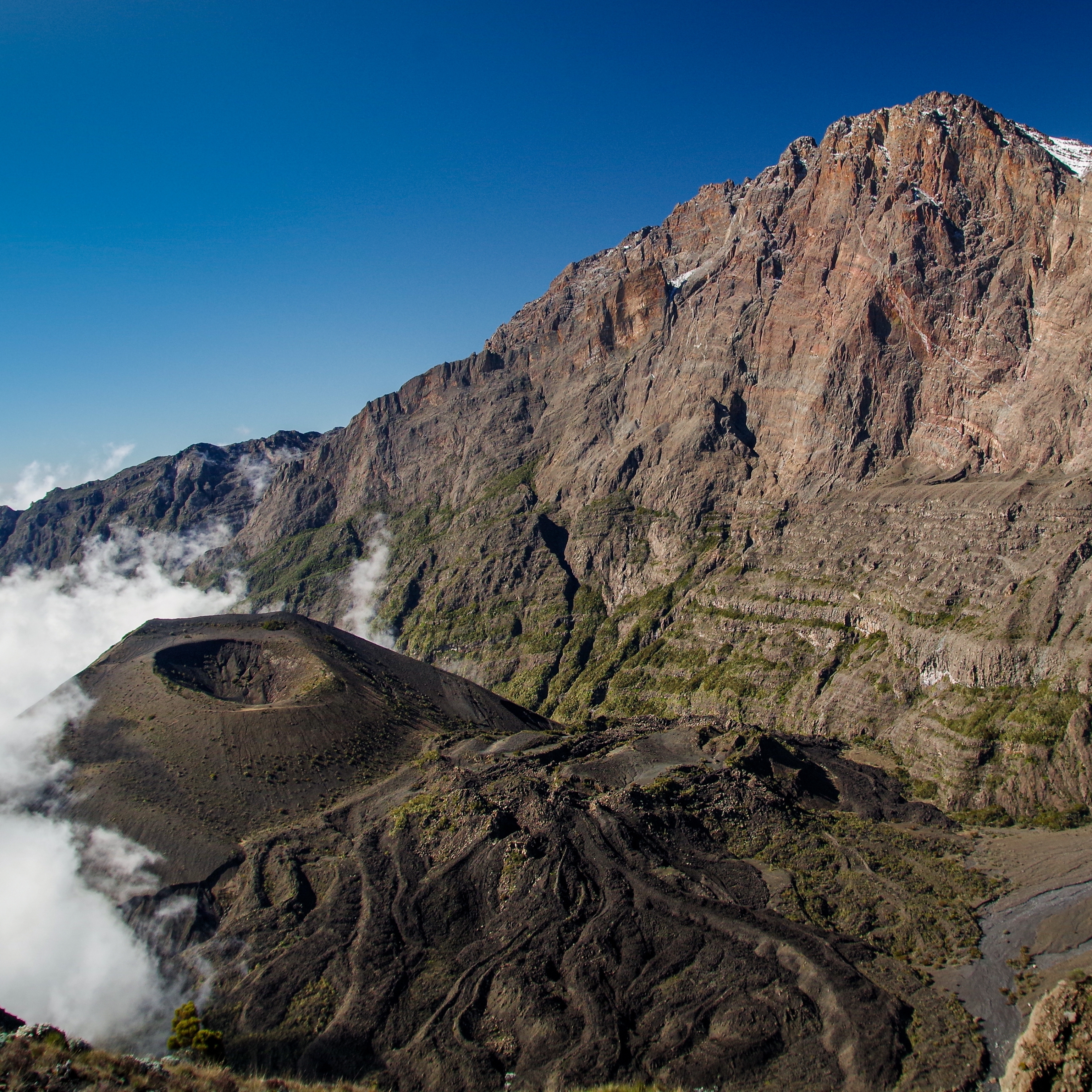
Mount Meru is the second highest mountain in Tanzania at 4,562 meters and is located in the Arusha National Park, just a few kilometers west of Kilimanjaro. The mountain is an extinct volcano with a distinctive ash cone and offers breathtaking views of the surrounding landscape, including Kilimanjaro in the distance.
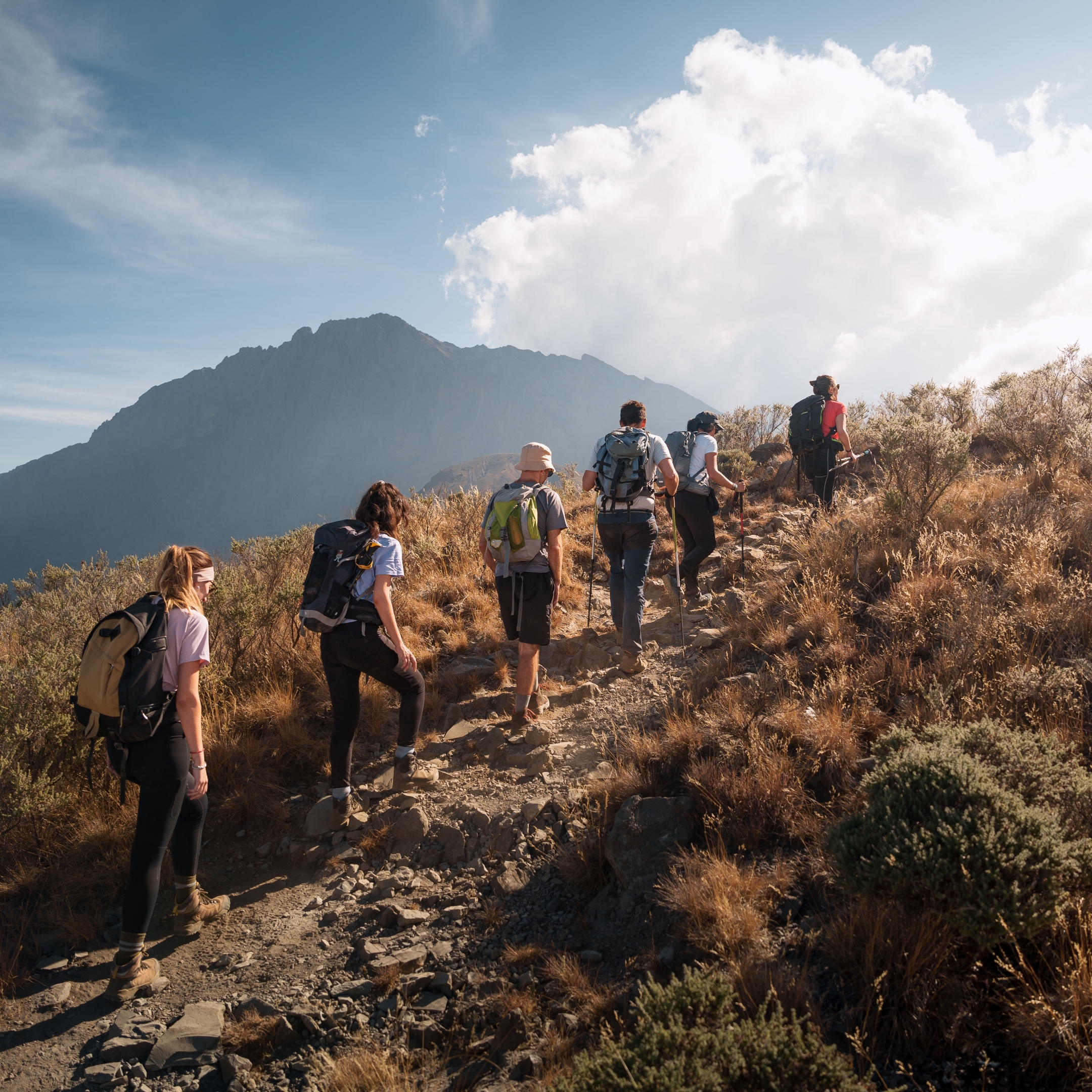
Climbing Mount Meru is not only a great acclimatization tour for Kilimanjaro but also an impressive experience in itself. The route takes you through dense forests, open moorlands, and rugged alpine zones. The hike usually takes 3–4 days and requires moderate to good physical fitness. The ascent is done with a ranger as the trail passes through areas where wildlife such as buffalo and elephants are native. With our team, you will be well taken care of during the ascent of Mount Meru, ensuring you can enjoy your mountain adventure safely.
Altitude: 1,500 m
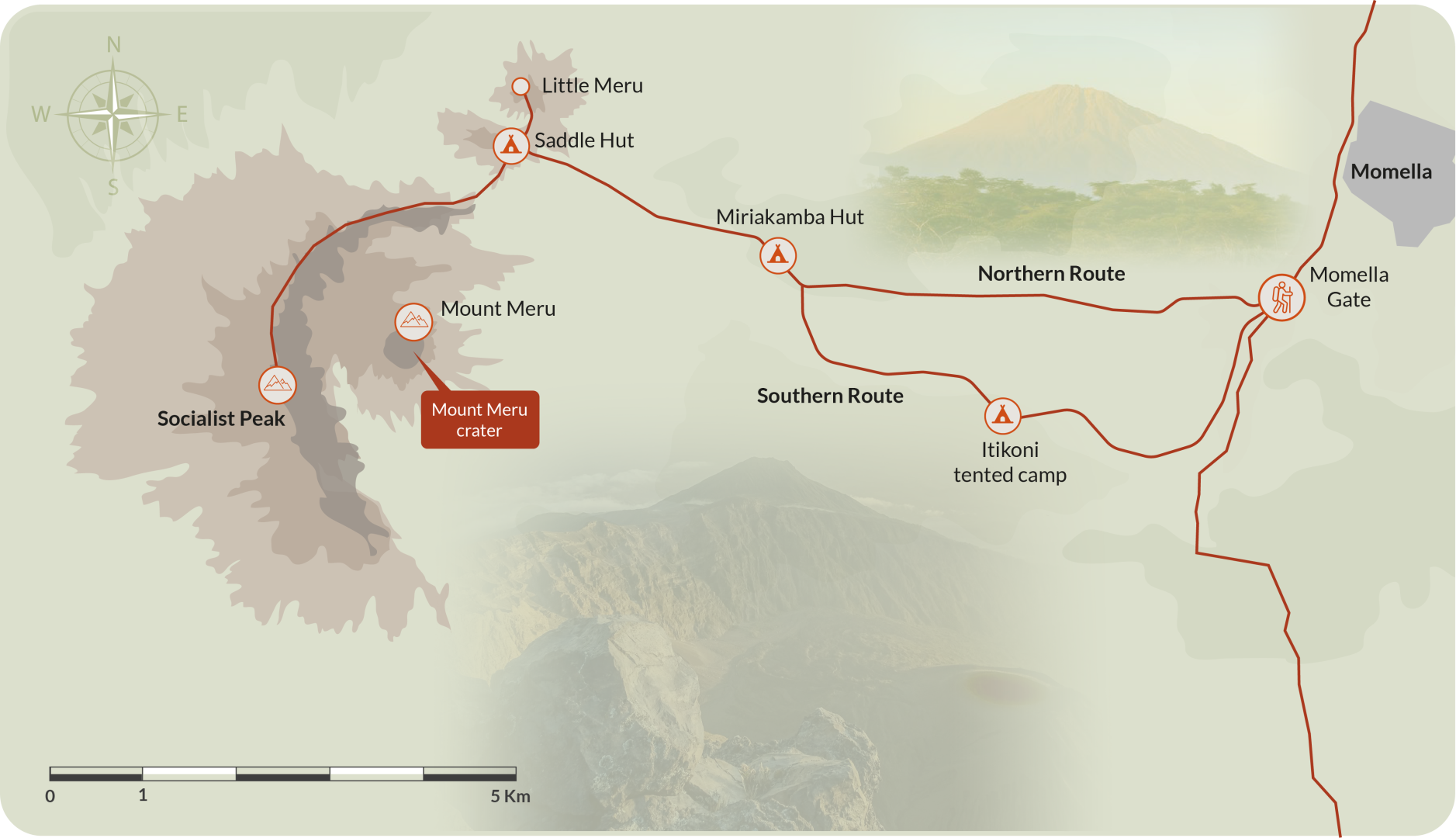
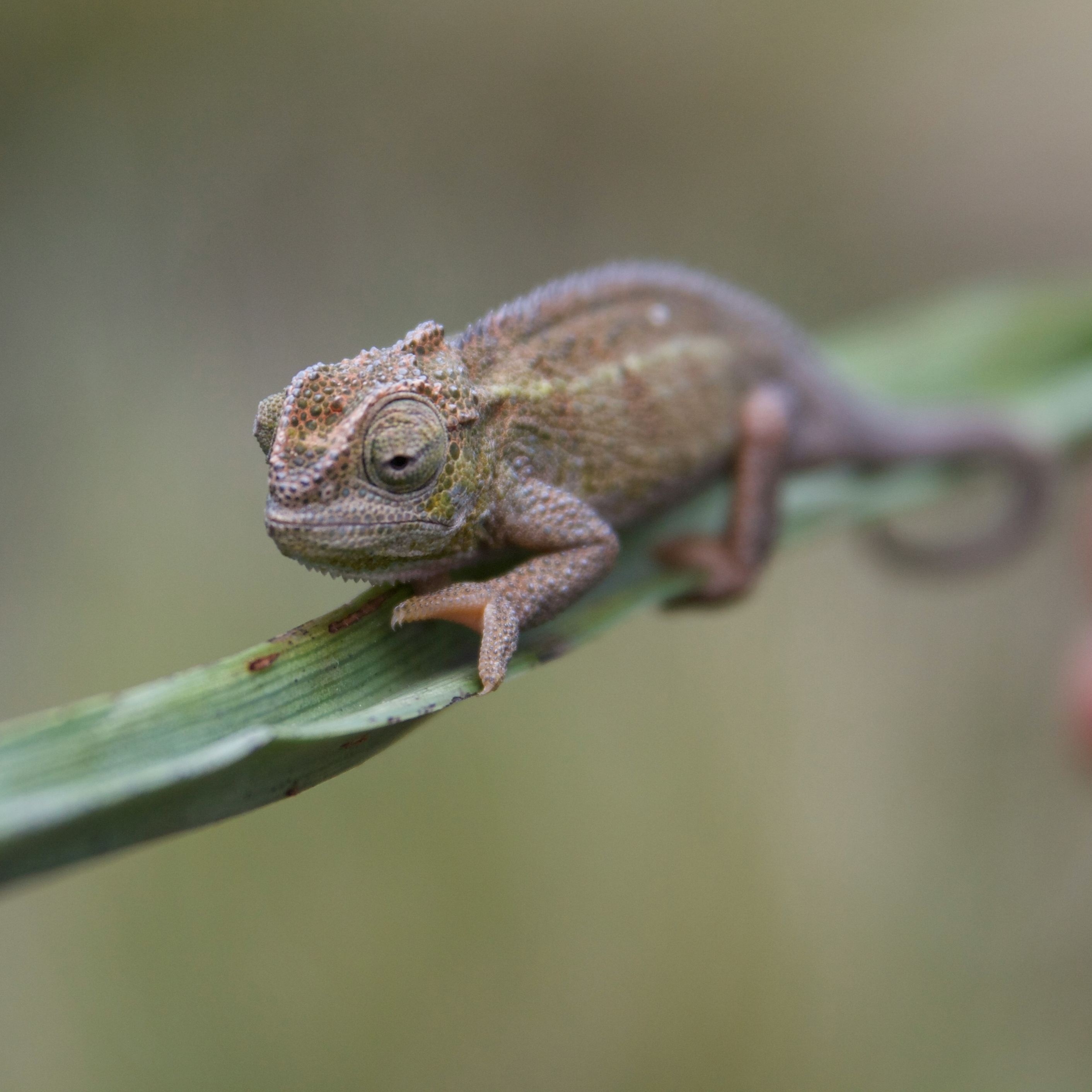
Description: The starting point is in the Arusha National Park. After registration, the trail leads through the forests with the opportunity to see wildlife such as giraffes, zebras, or buffalo.
Altitude: 2,500 m
Description: The ascent goes through dense forests and past the Ngarenanyuki River and the impressive Fig Tree Arch. The Miriakamba Hut offers comfortable accommodation and a spectacular view of Kilimanjaro.
Hiking time: 4–6 hours.
Altitude: 3,570 m
Description: The trail becomes steeper, leading out of the forest into the moorland. Along the way, there is an opportunity to climb Little Meru (3,820 m) – ideal for acclimatization. From Saddle Hut, you have a clear view of the surrounding peaks and valleys.
Hiking time: 3–5 hours.
Altitude: 3,570 m → 4,562 m → 2,500 m
Description: The summit ascent starts early in the morning. You will reach the Socialist Peak, the highest point of Mount Meru, via steep and rocky paths, and enjoy a breathtaking sunrise overlooking Kilimanjaro. The descent leads back to Miriakamba Hut.
Hiking time: 10–12 hours (including summit ascent).
Altitude: 2,500 m → 1,500 m
Description: The final stretch takes you through the Arusha National Park back to Momella Gate. Here ends your hike, and you receive a certificate as a memento of the adventure.
Hiking time: 2–4 hours.
Your safety is our top priority – even on Mount Meru. Our experienced, certified guides support you throughout the climb and ensure a safe and well-organized experience.
Mount Meru is the perfect introduction to high-altitude trekking and an excellent preparation for Kilimanjaro. You’ll adapt to the altitude while gaining valuable experience for bigger mountain adventures.
Our well-coordinated local teams know the mountain and Arusha National Park inside out. Expect diverse landscapes, stunning views, and even wildlife encounters along the way.
Mount Meru offers an intense mountain adventure within just a few days. Ideal for those looking for a challenging yet achievable trek, even with limited time.
We adapt your climb to your preferences and pace. Whether as a standalone adventure or combined with a safari or Kilimanjaro climb, your trip remains flexible and personalized.
From your first inquiry to your return home: We guide you through the entire planning process and are always there to support you.
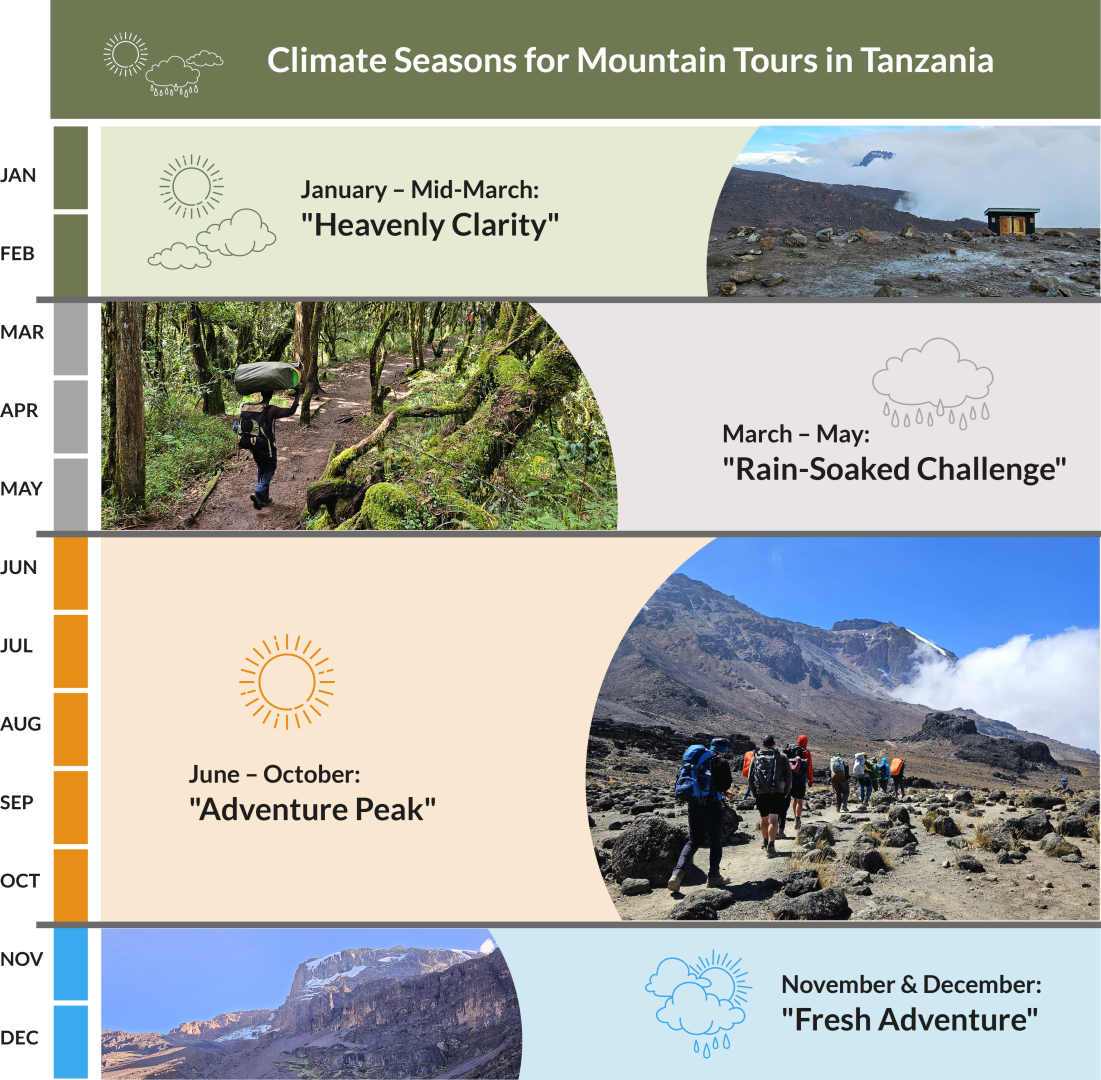
This season offers mild temperatures and calm conditions for an unforgettable ascent of Kilimanjaro. Clear skies and fewer tourists make this time ideal for adventurers seeking an exclusive experience. Possible downside: Nights at the summit can be particularly cold, and occasional rainfall is possible.
The long rainy season transforms the slopes of Kilimanjaro into a lush green landscape. Although conditions are more challenging, this time attracts with deserted routes and an adventure for true outdoor enthusiasts. Possible downside: Slippery and muddy paths require good physical fitness and appropriate equipment. Clouds may obstruct the view.
The most popular time for Kilimanjaro ascents: Dry weather and stable conditions create perfect conditions for summit seekers. Experience the impressive biodiversity this region offers as you step closer to the roof of Africa. Possible downside: Due to high demand, routes are more crowded, meaning less privacy. Early planning is necessary.
The short rainy season brings refreshing showers and exceptional tranquility to the mountain. For experienced hikers seeking a unique and peaceful experience, this season is a hidden gem.
Yes, you need a tourist visa for entry, which currently costs 50 USD. Your passport must be valid for at least six months from the date of entry. The visa can be applied for online through the official government website or issued directly on arrival at the airport.
The official currency in Tanzania is the Tanzanian Shilling (TZS). For everyday expenses like restaurants, local markets, or small shops, Tanzanian Shillings are usually used for payment.
In tourist areas, hotels, and with safari providers, US dollars and euros are often accepted.
Money can be easily withdrawn in larger cities and at many ATMs, usually in Tanzanian Shillings. International credit cards like Visa or Mastercard are accepted at many ATMs.
Yes, we strongly recommend purchasing travel insurance for your trip to Tanzania.
Whether you are planning a safari, a beach holiday in Zanzibar, or a Kilimanjaro climb, unexpected events can happen while traveling. These may include illness, injuries, trip cancellations, travel interruptions, flight delays, or lost luggage. A suitable travel insurance policy can protect you from significant unexpected expenses and ensure that you receive assistance when you need it most.
That is why we partner with Europäische Reiseversicherung (European Travel Insurance). Through our partner link, you can conveniently purchase the travel insurance coverage that best suits your needs.
Depending on the level of protection you require, you can choose from three insurance options:
Cancellation Protection (StornoSchutz)
Provides coverage for cancellation fees if you are unexpectedly unable to start your trip.
Travel Protection (ReiseSchutz)
Covers you during your journey, including protection for medical emergencies, trip interruptions, and luggage-related issues.
Complete Protection (KomplettSchutz)
The most comprehensive option, combining trip cancellation, trip interruption, travel medical, and luggage insurance. It also includes benefits such as search and rescue coverage of up to €80,000 and extensive medical assistance abroad.
👉 Purchase your travel insurance here: >Europäische Reiseversicherung<
Before traveling to Tanzania, we recommend scheduling an appointment with a travel medicine specialist at least 8 weeks in advance. There, you will receive personalized advice on necessary or recommended vaccinations as well as important health precautions for your trip.
Since Tanzania is a malaria-risk area, malaria prophylaxis is often recommended. The travel medicine specialist can also advise you on suitable vaccinations and assess whether your existing vaccinations are sufficient or if boosters are advisable.
In many parts of the country, dressing is relaxed, but Zanzibar is influenced by Islam. Outside of the beaches, shoulders and knees should be covered; short shorts or crop tops are inappropriate in public spaces.
No. Mount Meru is technically easier than Kilimanjaro and is therefore also suitable for ambitious beginners. However, you should still have a good basic fitness level, as you will be hiking for several consecutive days at high altitude.
Mount Meru is often underestimated. The trek is physically demanding, partly steep, and far more varied than many people expect. Especially the summit day, with the early morning ascent for sunrise, requires a good amount of energy.
Most Mount Meru treks take 3 to 4 days. Many travelers also use the mountain for acclimatization before climbing Kilimanjaro, since Mt. Meru already reaches an altitude of 4,566 meters (14,980 ft).
At the foot of the mountain, temperatures are often pleasantly warm, but in the higher regions it can get very cold at night. Especially during the early morning summit ascent, warm clothing, gloves, and a good jacket are essential.
The equipment is very similar to what is required for Kilimanjaro:
- Waterproof trekking boots
- Warm layered clothing
- Rain jacket
- Headlamp
- Sleeping bag
- Sunglasses & sun protection
Weatherproof clothing is especially important, as conditions on the mountain can change very quickly.
Yes. The climb is done with licensed guides and usually also with porters who carry the main luggage. In addition, an armed ranger accompanies the group on many sections of the trek, as wild animals such as buffalo, giraffes, and elephants live inside the national park.
Tipping is also an important part of trekking culture on Mount Meru and is usually distributed among the mountain crew at the end of the trek. As a general guideline:
- Guide: 20–25 USD per day
- Assistant Guide: 15–20 USD per day
- Cook: 12–15 USD per day
- Porter: 8–10 USD per day
We will of course explain the tipping system transparently on site, with no surprises.
Let’s plan your perfect climb together: Tailored to your pace, your goals, and your experience on the mountain.
Inquire now for free and without obligation and we will immediately start planning your Mount Meru expedition together!
Free consultationWe will be happy to send you an individual offer for your preferred trip.