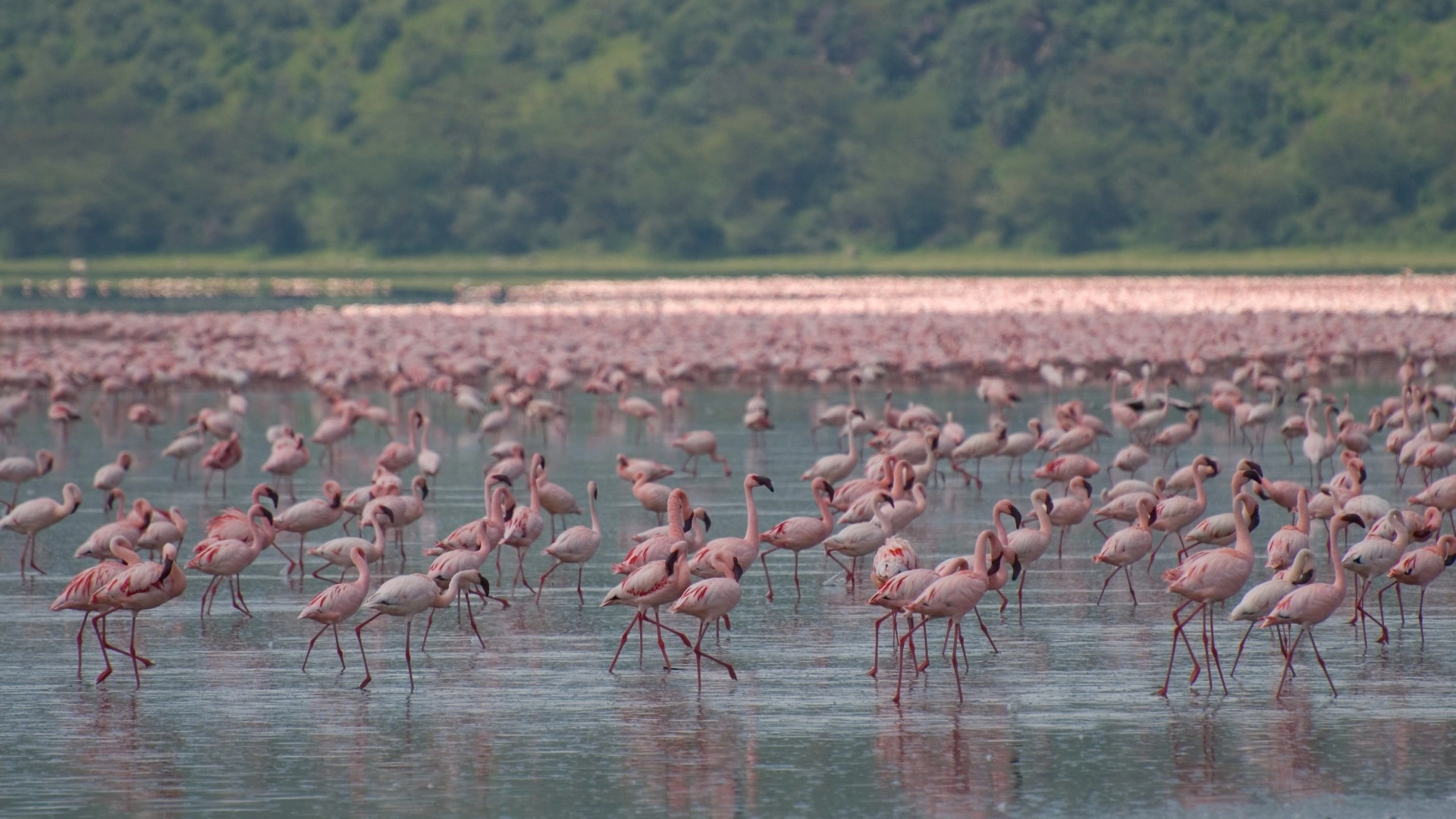
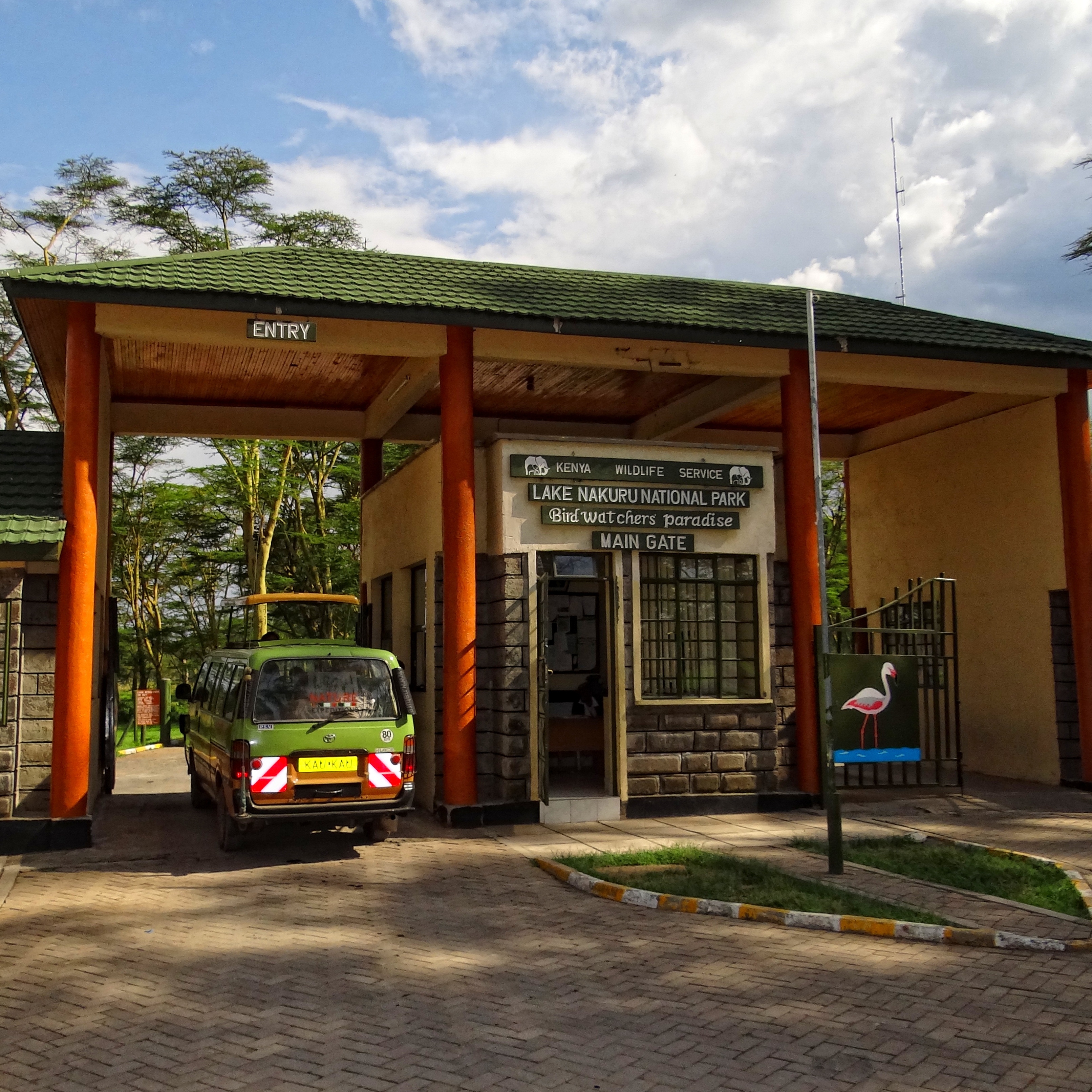
The Lake Nakuru National Park, with an area of around 188 km², is one of Kenya's most famous protected areas and is world-renowned for its flocks of flamingos as well as being one of the most important rhinoceros reserves in East Africa. The park is located in the heart of the Great Rift Valley at approximately 1,755 meters above sea level, just south of the city of Nakuru and about 160 kilometers northwest of Nairobi, making it easy to incorporate into a tour of the Rift Valley.
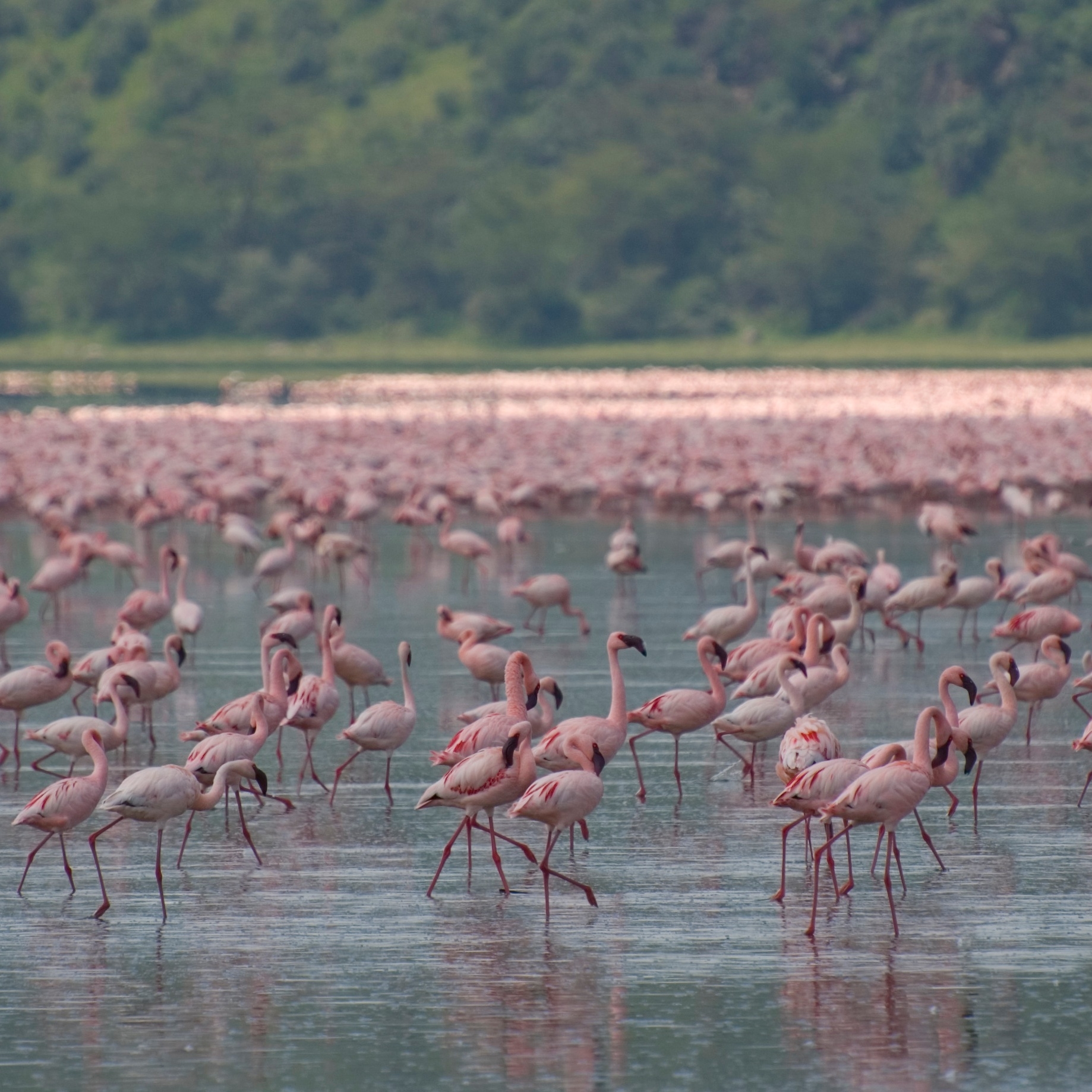
At the center of the park lies the eponymous Lake Nakuru, a shallow, non-draining soda lake whose alkaline water allows a special blue-green algae to thrive. This algae is the food source for the famous lesser and greater flamingos, which at times turn the lake into a shimmering pink spectacle. Depending on rainfall, the water surface fluctuates significantly between about 25 and 70 km², which also affects the number of flamingos from year to year.
The landscape around the lake is exceptionally diverse: vast grassy plains, dense Euphorbia forests, and groves of yellow-barked fever trees alternate with rocky cliffs and wooded hills. Viewpoints like Baboon Cliff and Lion Hill offer expansive panoramas of the lake and the surrounding savannah.
As Lake Nakuru National Park is completely fenced, compact, and easily accessible year-round, it offers excellent opportunities for rhinoceros sightings and can be seamlessly combined with other destinations in the Rift Valley such as Lake Naivasha or Lake Bogoria.
Lake Nakuru National Park captivates with the interplay of lake, forest, and rocky landscapes. Around the shimmering soda lake, habitats intertwine, hosting an astonishing variety of animals throughout the year:
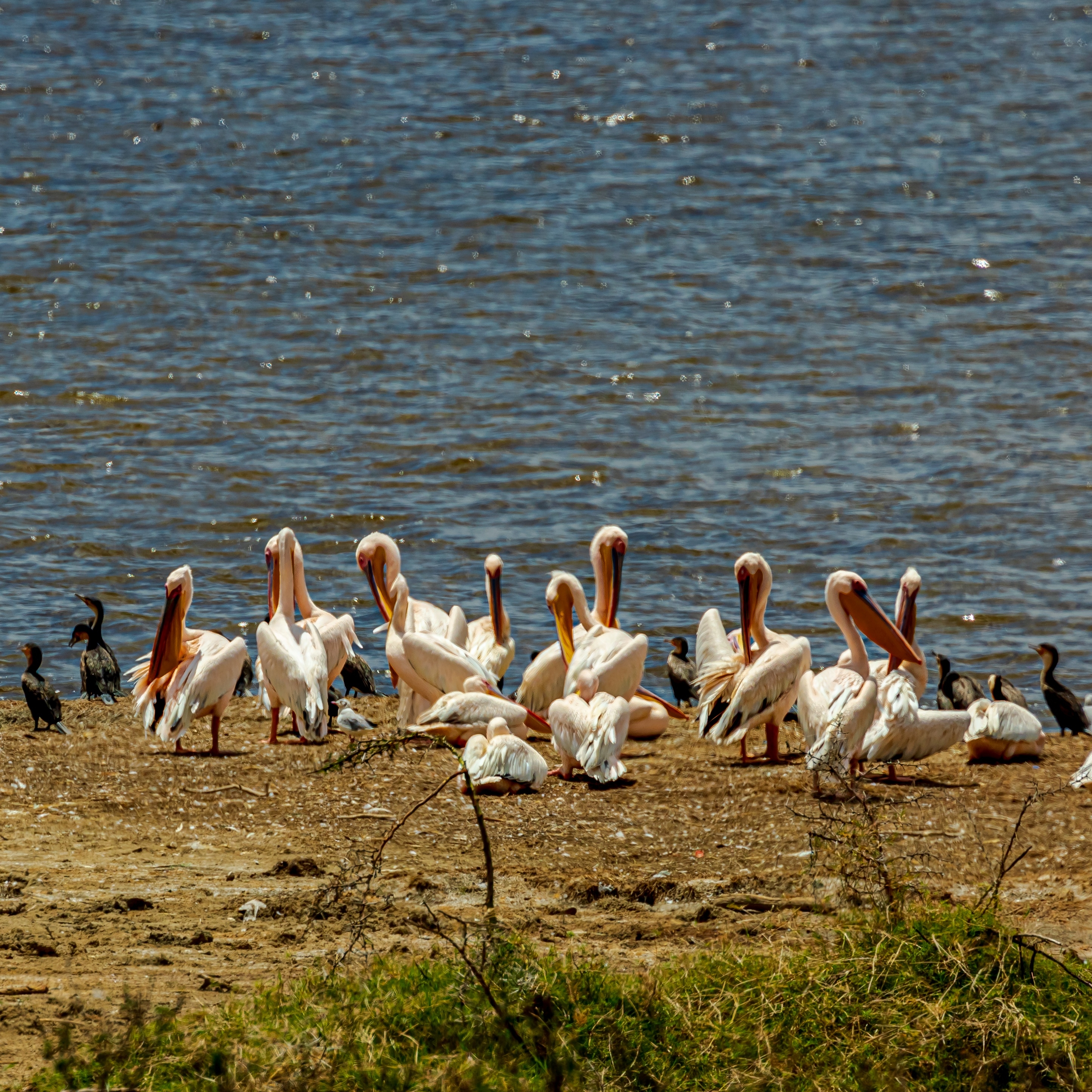
The flat, alkaline Lake Nakuru is the heart of the park. Under favorable conditions, large flocks of lesser and greater flamingos gather here, turning the shoreline into a vibrant pink spectacle. Along with countless pelicans, the lake offers one of Africa's most spectacular birdwatching experiences.
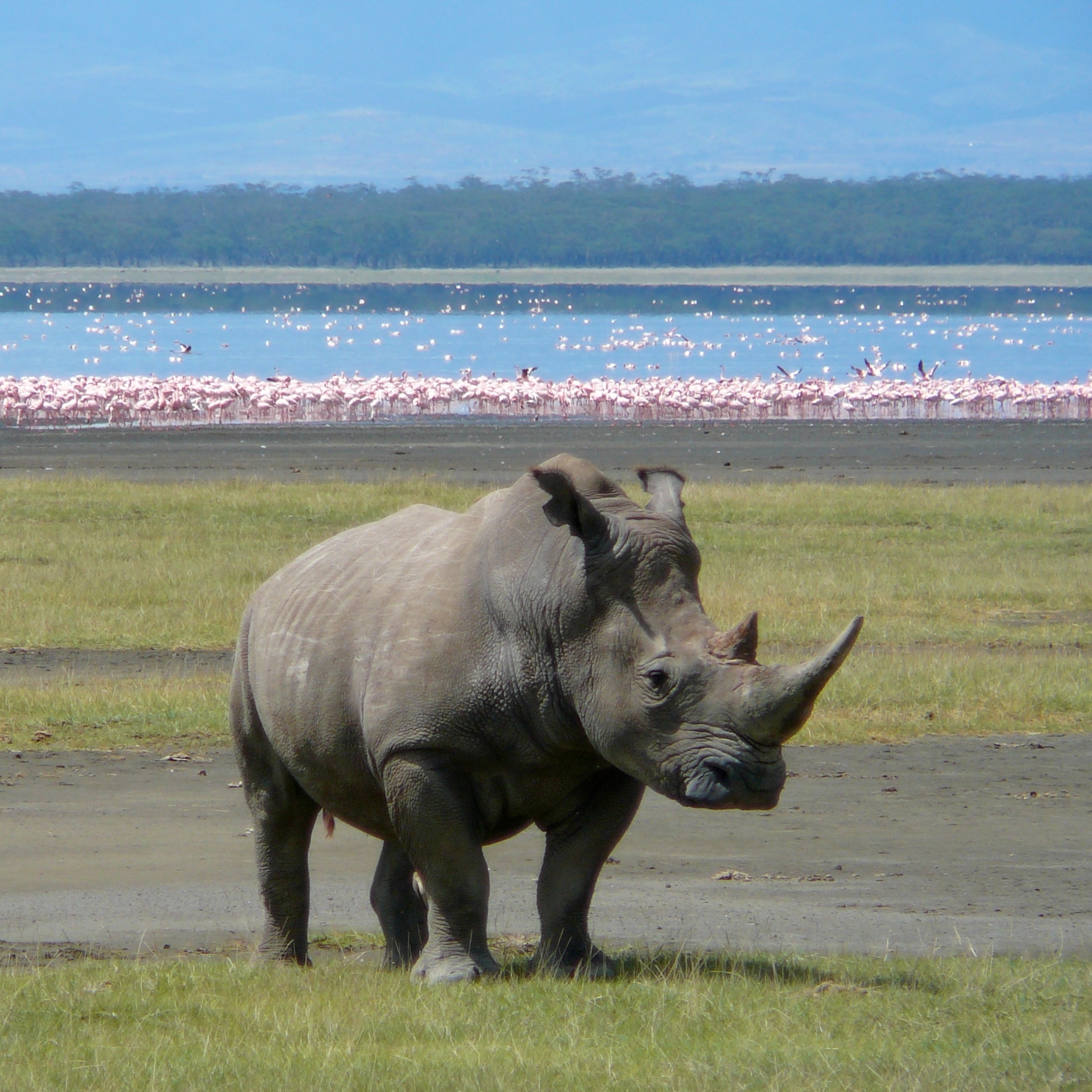
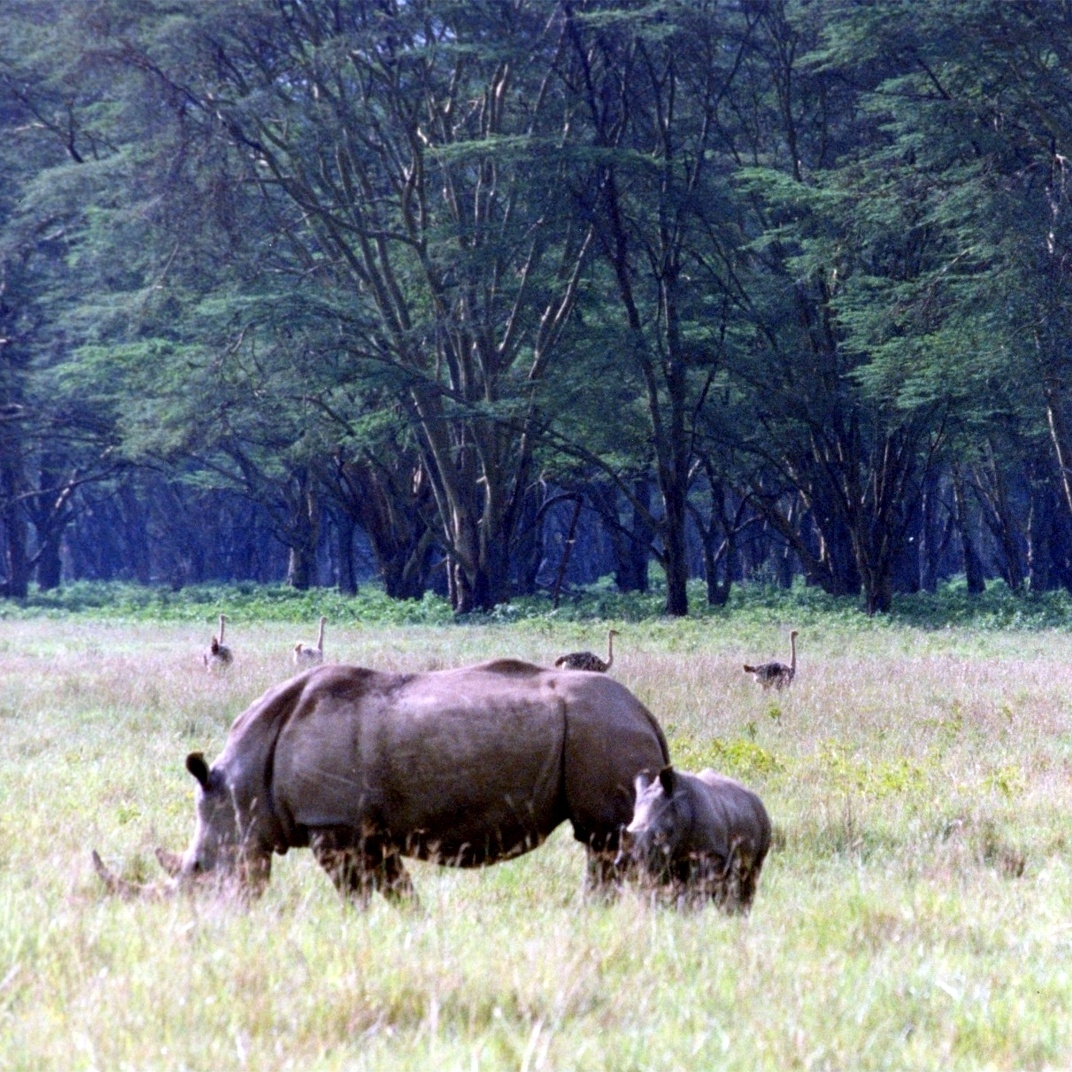
Lake Nakuru is one of Kenya's premier reserves for observing rhinoceroses. Within the fenced sanctuary, both the rarer black rhinoceroses and larger populations of white rhinoceroses can be spotted, often grazing on the open plains near the lake shore.
On the eastern slopes of the park, one of Africa's largest Euphorbia forests stretches out, with its candelabra-shaped succulent plants creating an almost surreal backdrop. Along the shores, groves of yellow-barked fever trees dominate the landscape, providing shade and sustenance for numerous animal species.
Elevated viewpoints like Baboon Cliff and Lion Hill are among the park's most picturesque stops for photography. From the rocky edges, the view extends over the entire lake, the pink-fringed shores, and the vast Rift Valley savannah – an ideal spot for unforgettable panoramic shots.
In the southern part of the park, the Makalia Waterfalls cascade over a rock ledge. Especially after the rainy season, they are a charming sight and offer a striking contrast to the open lake landscape in the park's north.
Lake Nakuru National Park is not only a bird paradise but also home to a remarkable diversity of large mammals, with around 70 species. In addition to the famous rhinoceroses, numerous other animals can be excellently observed here:
As a protected rhino reserve, Lake Nakuru offers some of Kenya's most reliable rhinoceros sightings. Both white and black rhinoceroses find a safe haven in the fenced park and are often seen grazing on the open grasslands near the lake's edge.
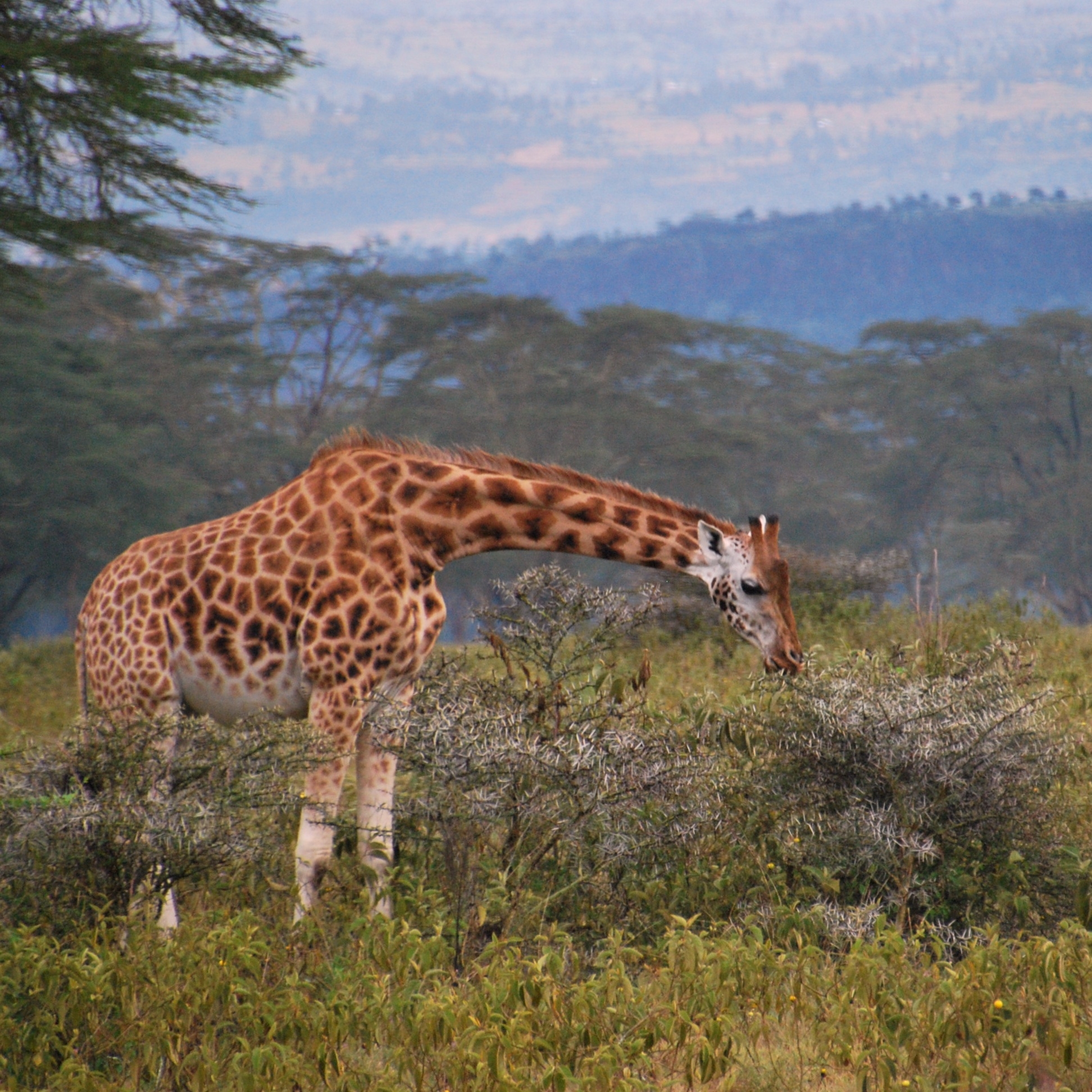
The park is an important sanctuary for the rare Rothschild's giraffe, one of the most endangered giraffe subspecies. With their light, unspotted lower legs, these elegant animals are particularly impressive to observe against the backdrop of the lake.
Lake Nakuru is home to lions and leopards, which are often found in the acacia and Euphorbia forests. The park is also known for its occasional tree-climbing lions, which, with some luck, can be spotted resting in the forked branches of the fever trees.
On the plains around the lake, large herds of Defassa waterbucks, zebras, buffaloes, and impalas graze. Warthogs, baboons, and vervet monkeys are also common inhabitants of the park.
With over 400 documented bird species, Lake Nakuru is one of the most diverse bird paradises in East Africa. In addition to the iconic flamingos and huge pelican flocks, herons, cormorants, fish eagles, and numerous other water and raptor birds can be observed.
Kenya offers unforgettable safari experiences all year round. Depending on the season, landscapes, climate, lake water levels, and wildlife viewing opportunities vary.
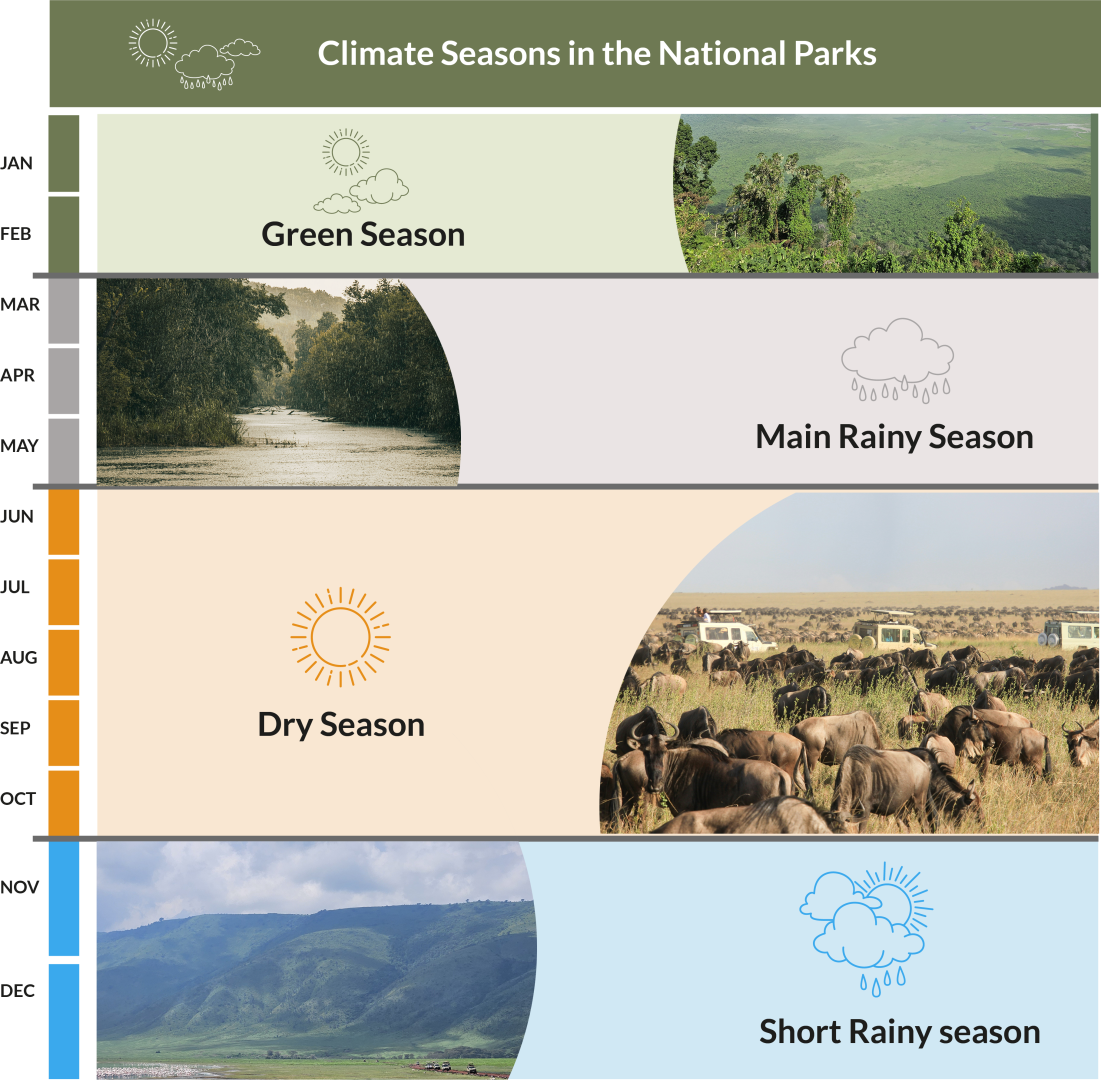
During the dry season, wildlife congregates around the lake and remaining water sources, making rhinoceroses, buffaloes, and waterbucks particularly visible. Clear, warm days with temperatures around 20 to 28 °C and well-maintained roads make these months the most popular for travel.
The landscape is lush green, with warm days ranging from 25 to 30 °C. Ideal for birdwatchers and those looking to experience the park with significantly fewer visitors.
The rainy season brings heavy rainfall, raising the lake level and causing the plains to bloom magnificently, with many young animals being born. For adventurous travelers who appreciate quiet roads and vibrant nature, this is a delightful time to visit.
Brief, usually afternoon showers alternate with sunny periods. With pleasant temperatures of 22 to 28 °C, fresh greenery, and fewer visitors, this is a good time for those seeking a quieter safari experience.
Whether you prefer the clear mornings of the dry season or the blooming nature of the rainy season, Lake Nakuru National Park offers an unforgettable experience at any time of the year. We tailor your trip individually to ensure you have an unforgettable adventure.
We will be happy to send you an individual offer for your preferred trip.