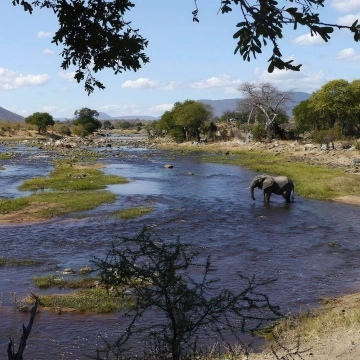
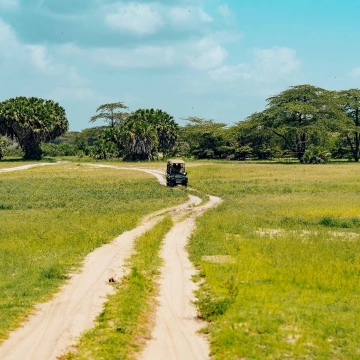
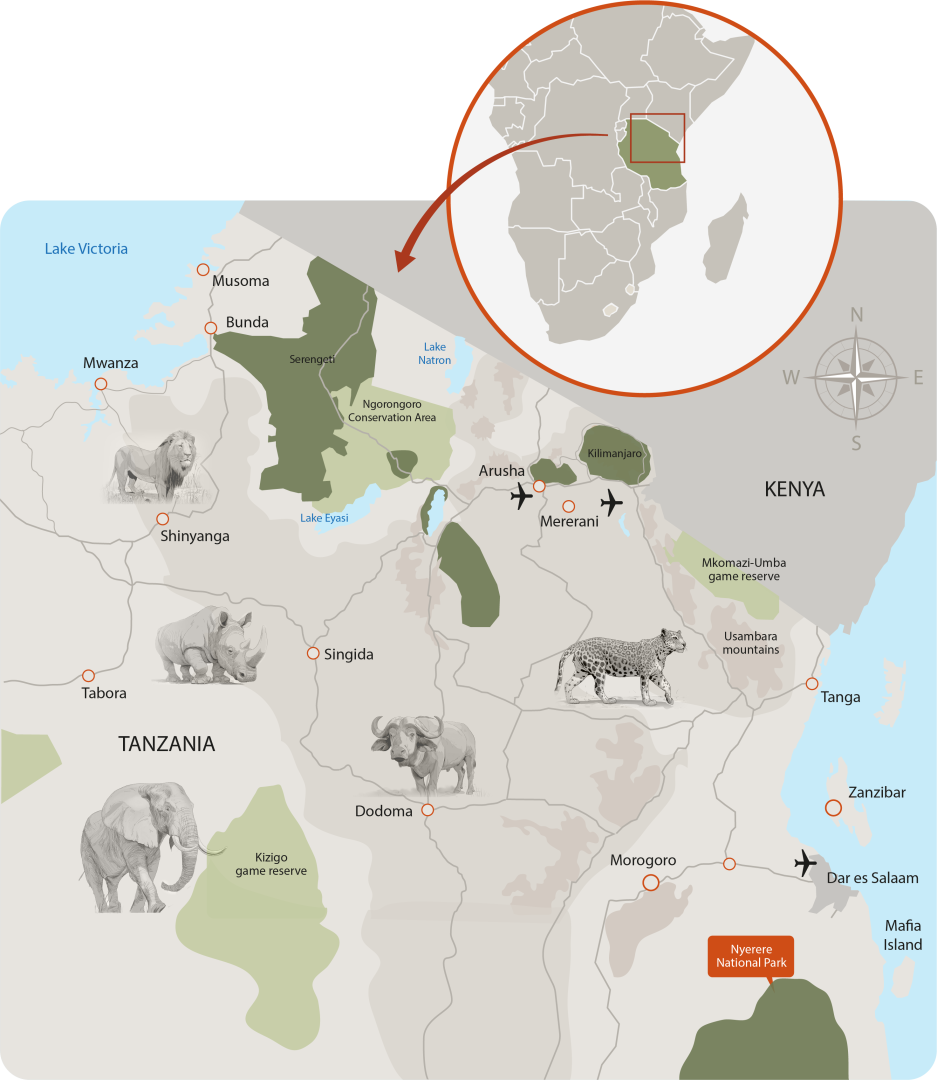
The Nyerere National Park, formerly known as the Selous Game Reserve, is one of the largest and most pristine conservation areas in Africa. Located in southern Tanzania, it impresses with its breathtaking diversity of vast savannahs, dense miombo forests, swamps, and the mighty Rufiji River, which meanders like a lifeline through the landscape.
Here, visitors encounter an extraordinary variety of wildlife: herds of elephants roam the plains, lions rest in the tall grass, rare African wild dogs roam their territory, and hippos frolic in the water. Away from the major tourist crowds, the park offers an authentic safari experience. Wild, vast, and full of pristine beauty.
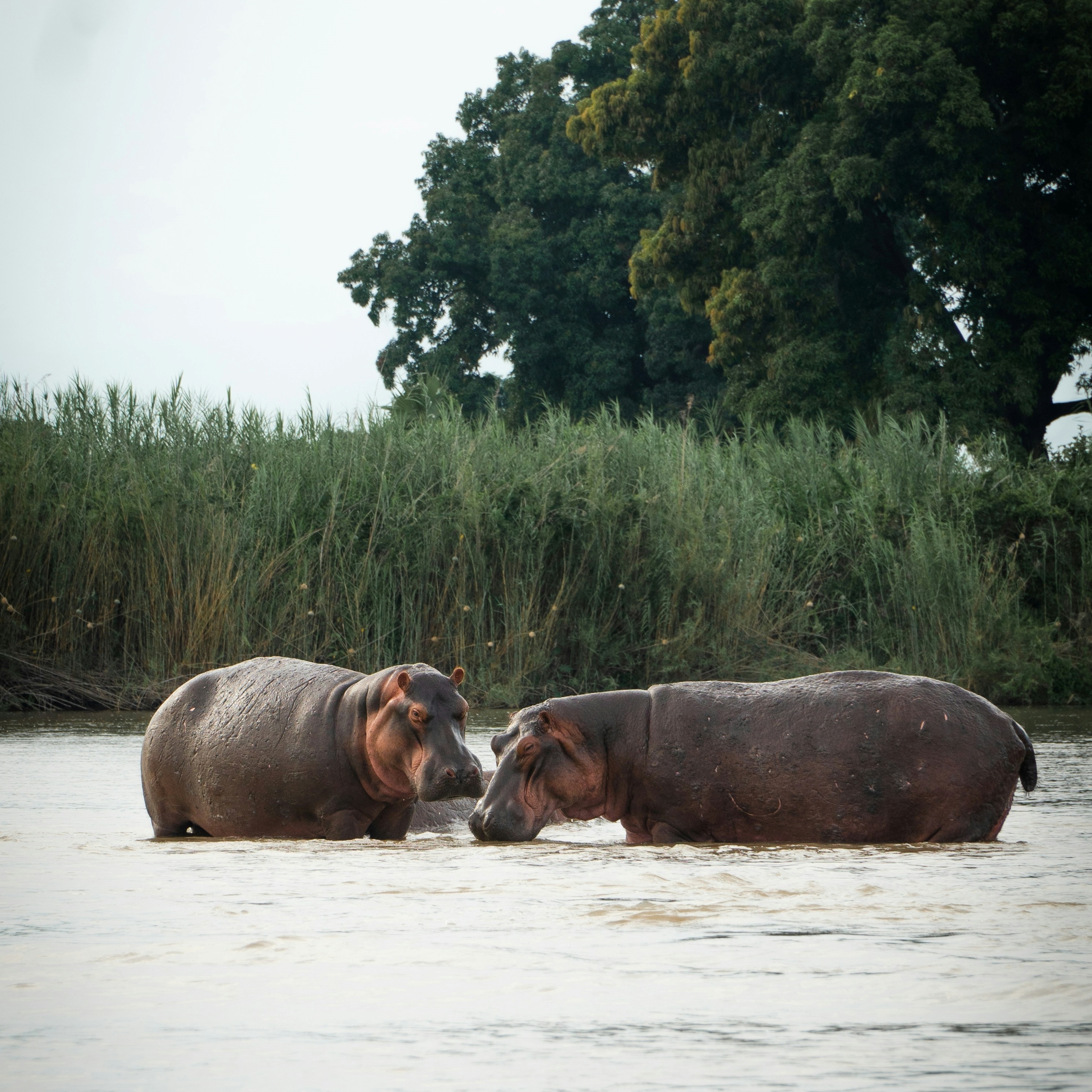
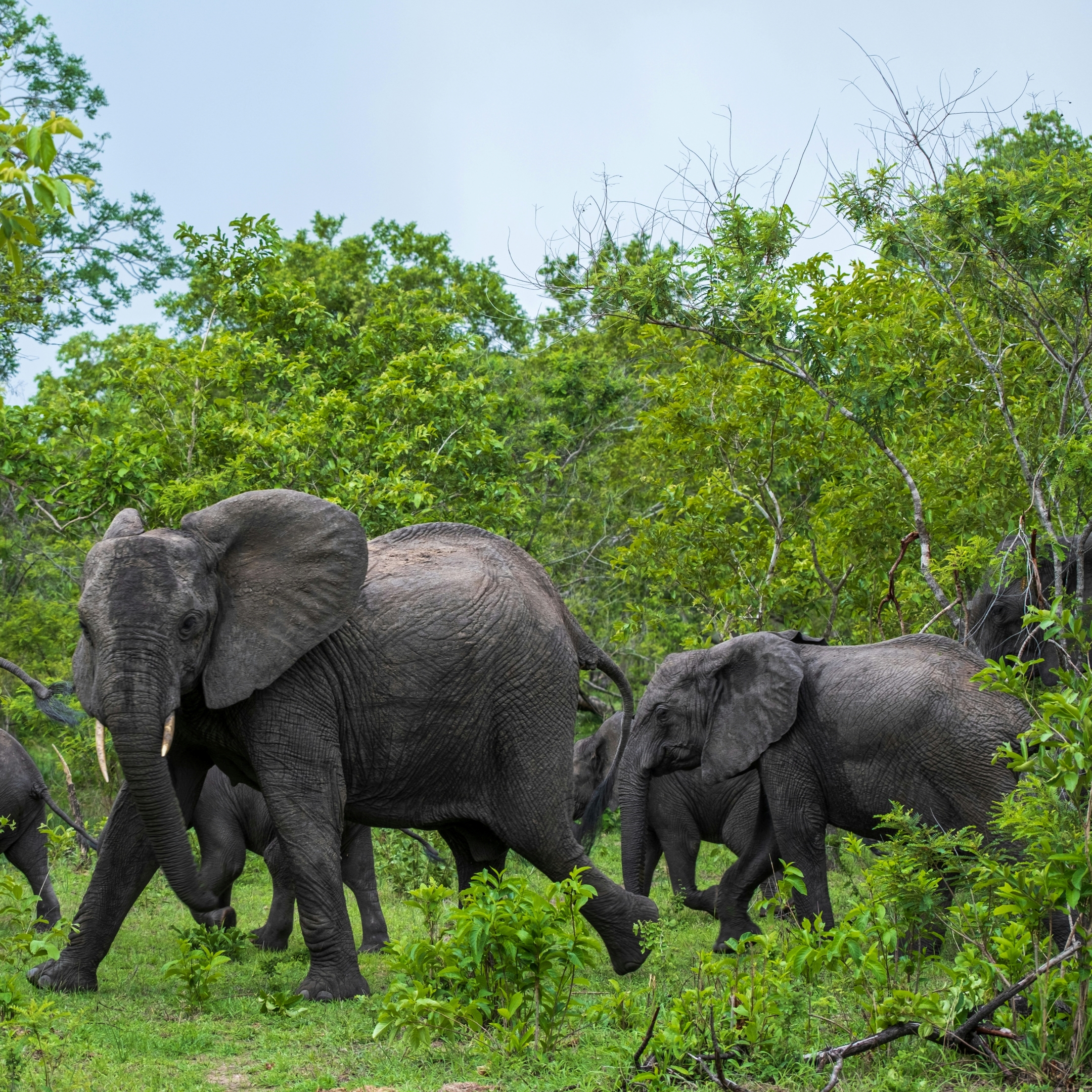
The Nyerere National Park impresses with an extraordinary diversity of species and is one of the most wildlife-rich conservation areas in Africa. Thanks to its expansive and varied landscapes, it provides a protected habitat for numerous wild animals.
The Nyerere National Park is home to one of the most significant elephant populations in Africa. The impressive animals move in family groups across the vast plains and are often encountered along the Rufiji River. Their presence shapes the landscape and is one of the most impressive experiences of a safari in this pristine wilderness.
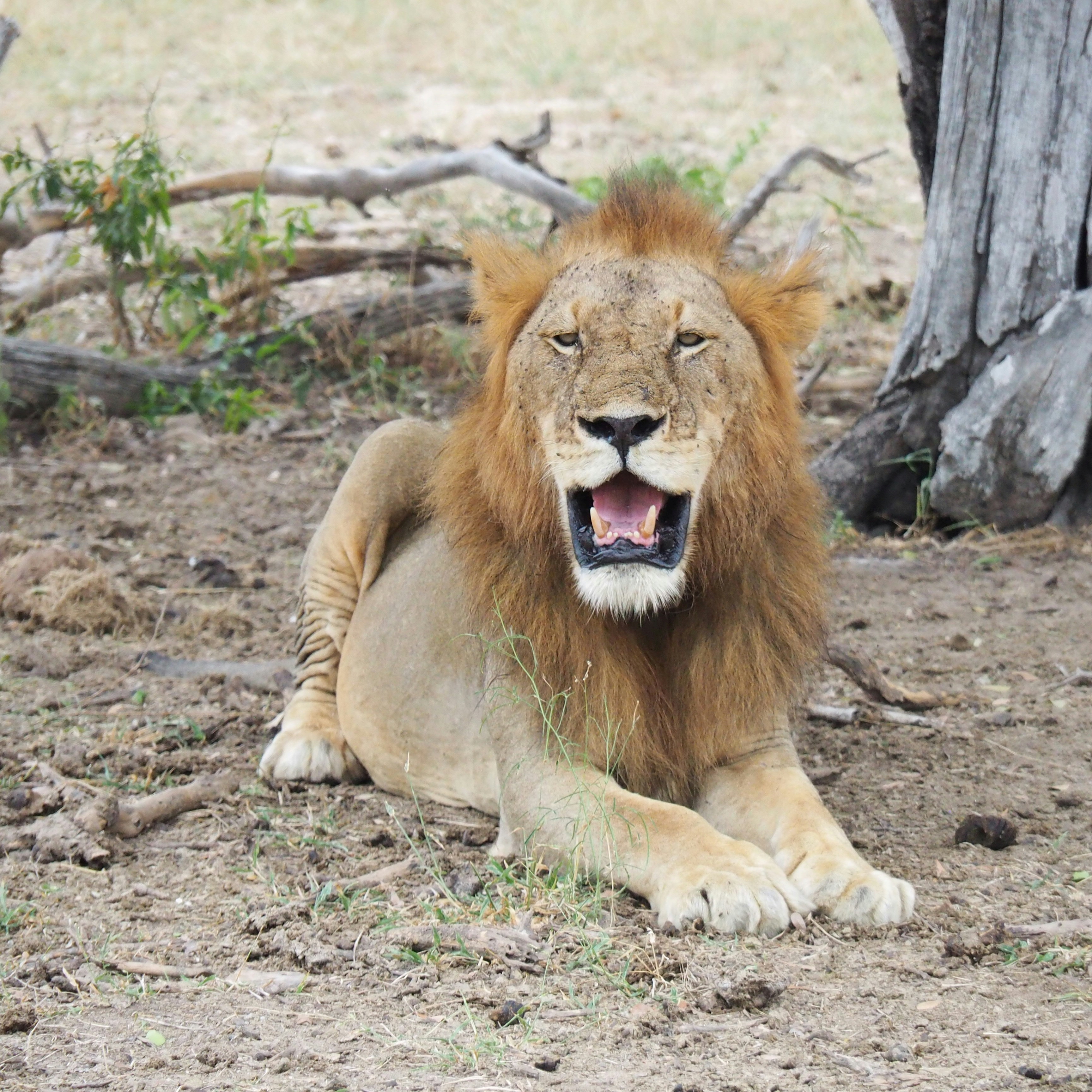
In the park's savannahs, numerous prides of lions roam. Often they rest in the shade of acacia trees during the day or attentively observe their surroundings in the tall grass. With some luck, guests can witness exciting hunting scenes or observe the social behavior within the pride – an unforgettable moment for every safari-goer.
The Nyerere National Park is known for its population of African wild dogs, one of the rarest predators on the continent. These highly social and extremely efficient hunters roam in packs over large territories. A sighting is considered a special highlight and makes the park an important conservation area for this endangered species.
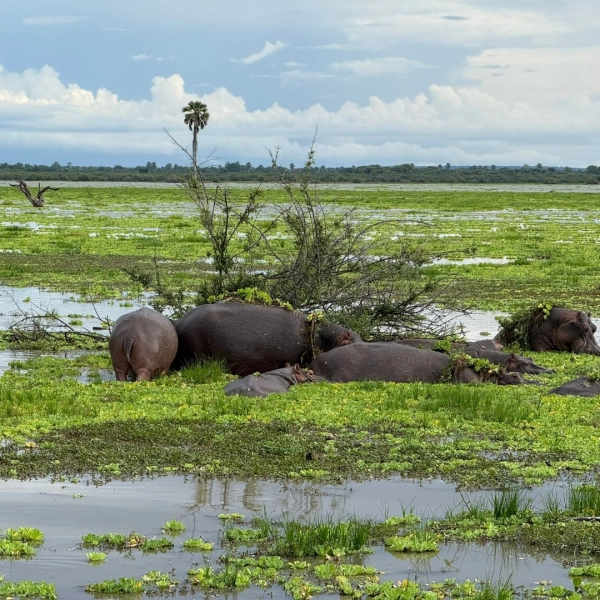
Along the Rufiji River and in the numerous lagoons, large groups of hippos reside, spending their days in the water and coming ashore at dusk. Also, Nile crocodiles are abundant in this area, basking on the banks. Particularly during boat safaris, this fascinating aquatic world can be experienced up close.
With hundreds of documented species, the park is a paradise for birdwatchers. From majestic fish eagles to colorful kingfishers and rare migratory birds, the region offers an impressive variety. The diverse habitats – from wetlands to forests – create ideal conditions for an exceptionally rich avifauna.
The Nyerere National Park impresses with an extraordinary diversity of landscapes, making it one of the most fascinating conservation areas in Africa.
The Rufiji River is the heart of the Nyerere National Park and shapes the landscape like no other element. With its extensive branches, sandbanks, and lagoons, it creates a unique aquatic world that provides habitat for numerous species. Particularly impressive are boat safaris, where hippos, crocodiles, and a variety of water birds can be observed up close.
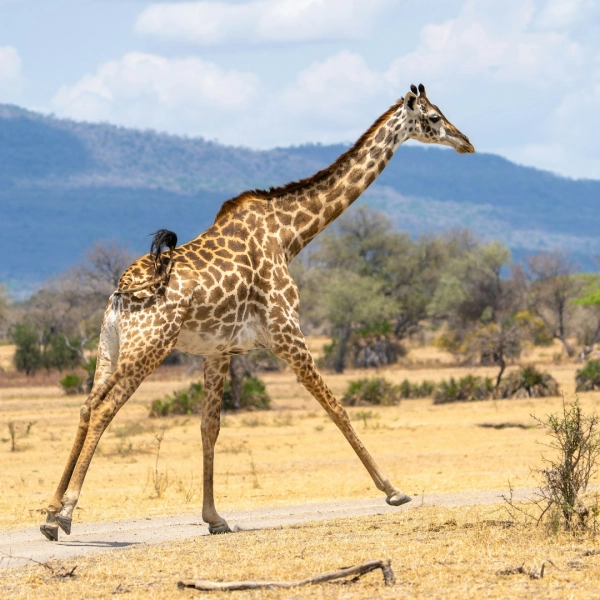
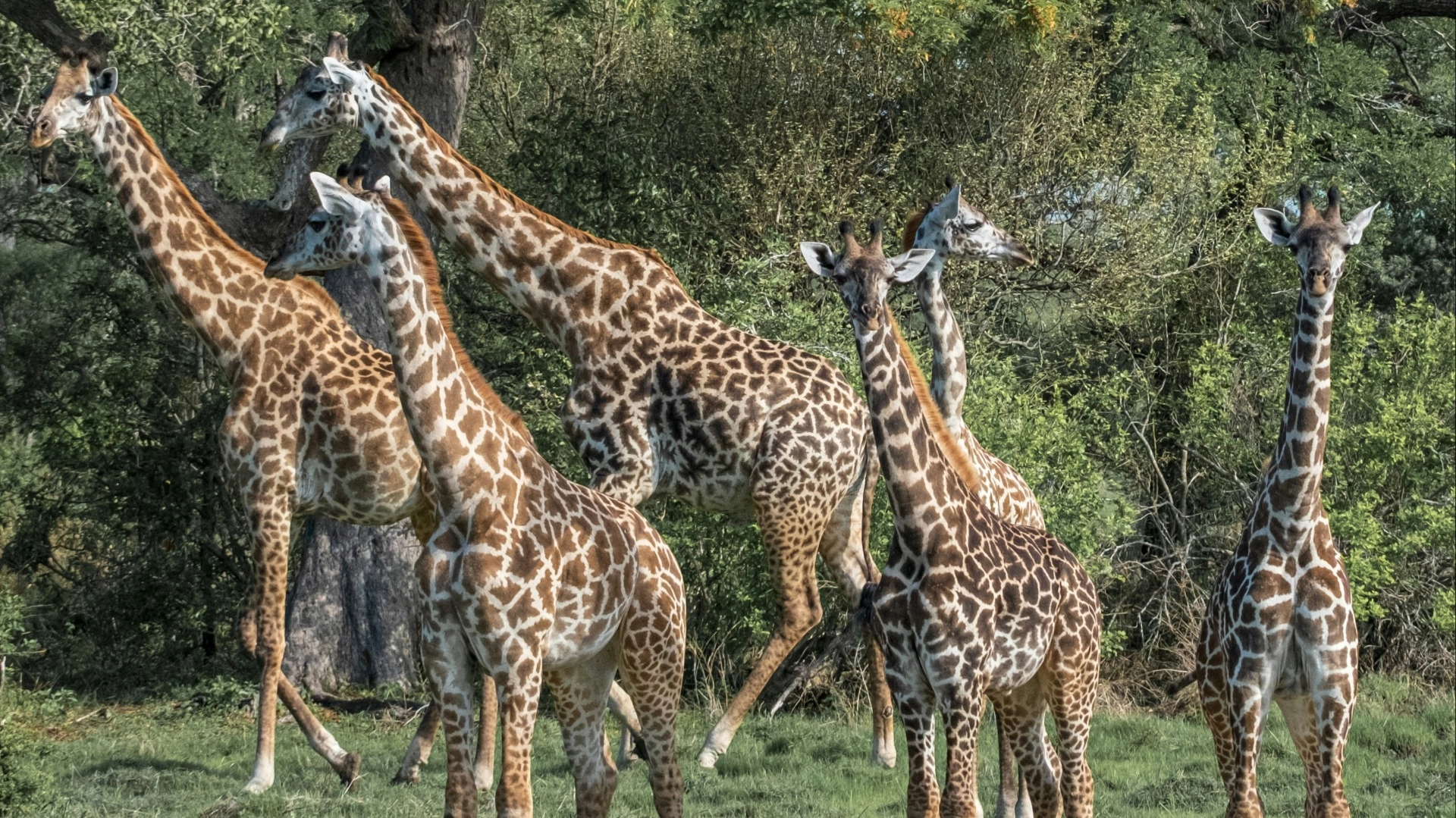
The open savannah landscapes of the park stretch seemingly endlessly to the horizon. Here, herds of elephants move through the tall grass, giraffes elegantly stride among acacias, and lions rest in the shade of isolated trees. The vastness of the landscape allows for spectacular wildlife observations and conveys a sense of boundless freedom.
Characteristic of southern Tanzania are the dense miombo forests, which also cover large areas in the Nyerere National Park. These forests provide retreats for numerous animal species and are particularly popular among birdwatchers. The interplay of light and shadow gives the landscape a mysterious and tranquil atmosphere.
Scattered throughout the entire conservation area are idyllic lakes and seasonal lagoons, which serve as important water sources, especially during the dry season. Here, elephants, buffaloes, and antelopes gather, while predators often lurk on the shores. These water landscapes are among the most photogenic spots in the park.
A special highlight of the Nyerere National Park is its vastness and low number of visitors. Away from heavily trafficked routes, travelers experience an authentic, almost untouched nature here. The silence of the landscape, interrupted only by animal sounds and the wind in the trees, makes every safari an intense and personal experience.
Tanzania offers unforgettable safari experiences throughout the year. Depending on the season, the landscapes, climate, and wildlife viewing opportunities change.
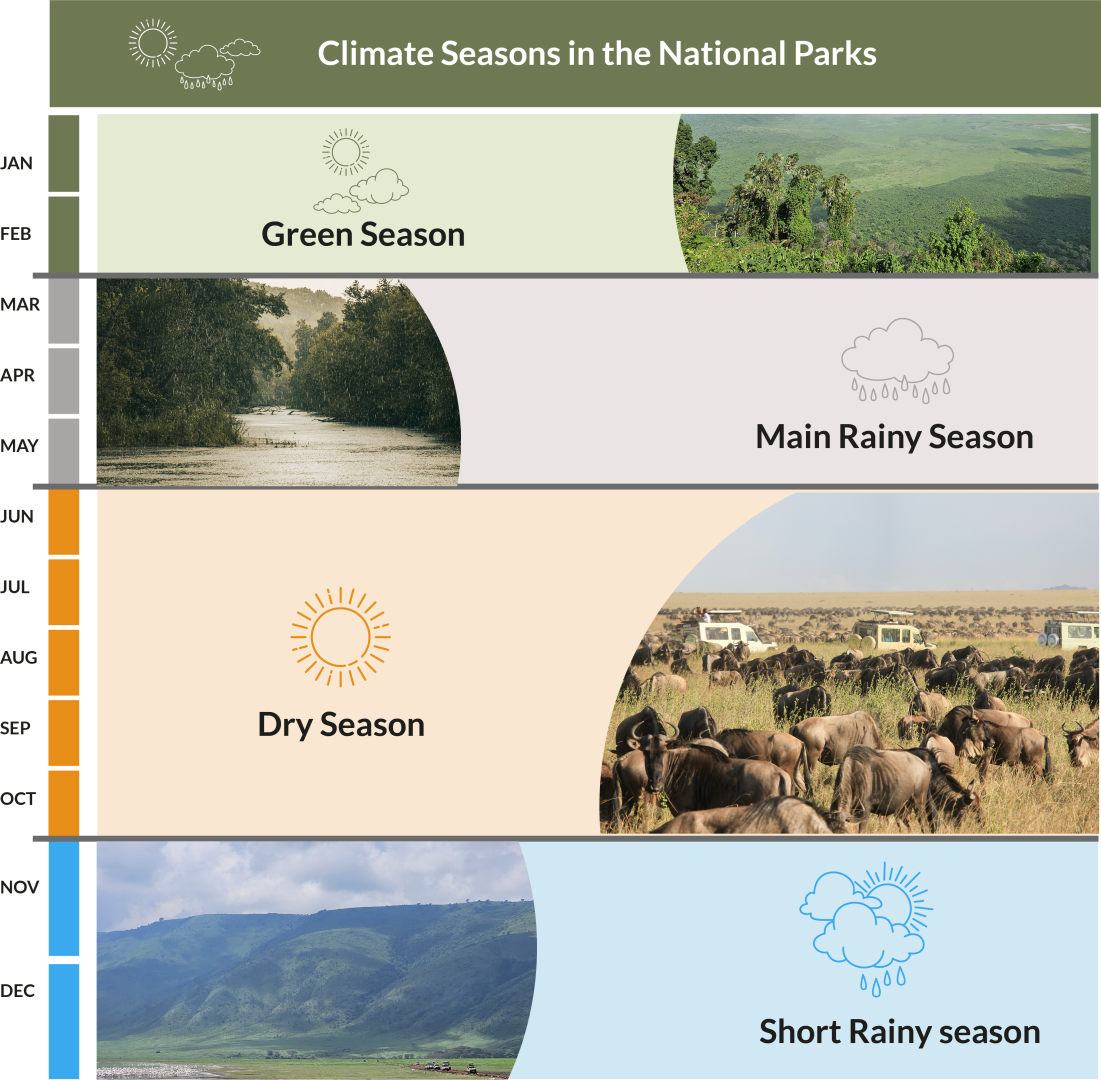
The dry season is considered the optimal time to visit:
Weather: Sunny days, pleasant temperatures between 20 and 30 °C. Nights cool down to 10 to 15 °C in higher regions like the Serengeti.
Highlights: Experience the spectacular "Great Migration" – huge herds of wildebeest and zebras migrate through the Serengeti. The Tarangire National Park and the Ngorongoro Crater also impress with a high density of wildlife.
The green season delights nature lovers and photographers:
Weather: Warm and pleasant, 25 to 32 °C during the day. Rainfall is usually short and intense.
Highlights: The landscape is lush green. Perfect for birdwatchers as many migratory birds are present. Additionally, you can witness young animals in their natural environment.
Despite more intense rainfall, Tanzania remains impressive:
Weather: Rainy, but the landscape flourishes.
Highlights: Particularly picturesque with a high concentration of animals at water sources. Popular areas like the Serengeti National Park remain accessible. Some roads and paths may be difficult to pass, adding a touch of adventure to the journey.
The short rainy season combines the advantages of the dry season with fresh vegetation:
Weather: Pleasantly warm, temperatures between 25 and 30 °C. Rain showers are usually short, often in the afternoon or evening, barely interrupting safaris.
Highlights: Nature awakens again, becoming greener, and the wildlife remains highly visible. Less dust and fewer visitors make these months particularly attractive for travelers seeking a quieter experience. Ideal for photographers capturing dramatic cloud formations and vibrant colors.
Whether you prefer the exciting wildlife migration in the dry season or the blooming nature in the rainy season. Tanzania is a paradise year-round. We tailor your journey individually to ensure you have an unforgettable adventure.