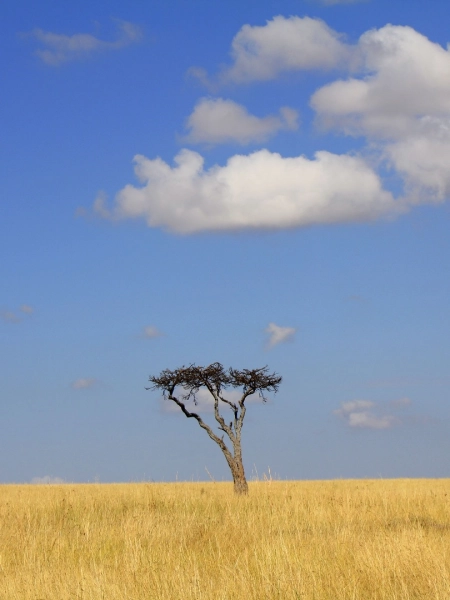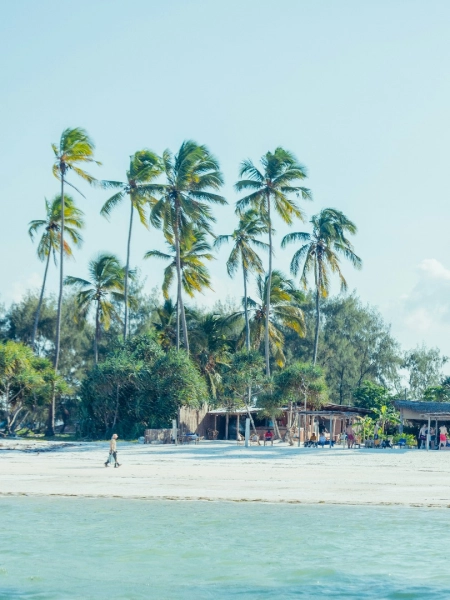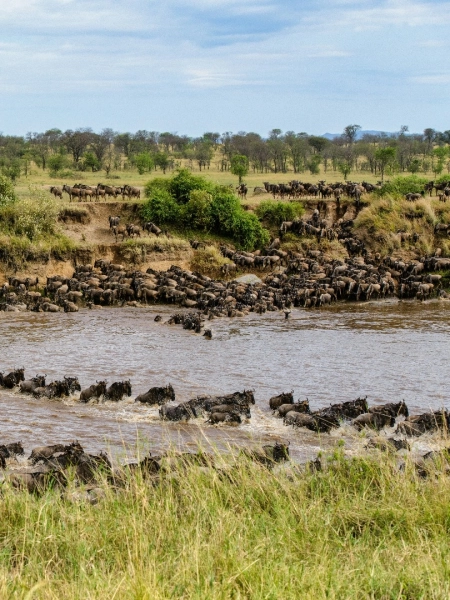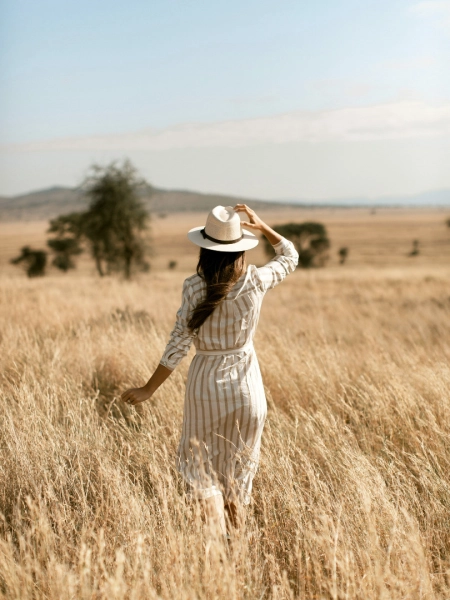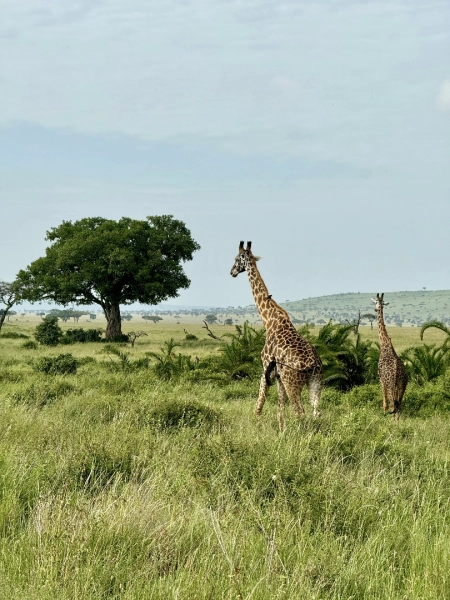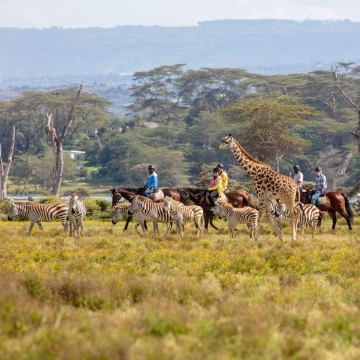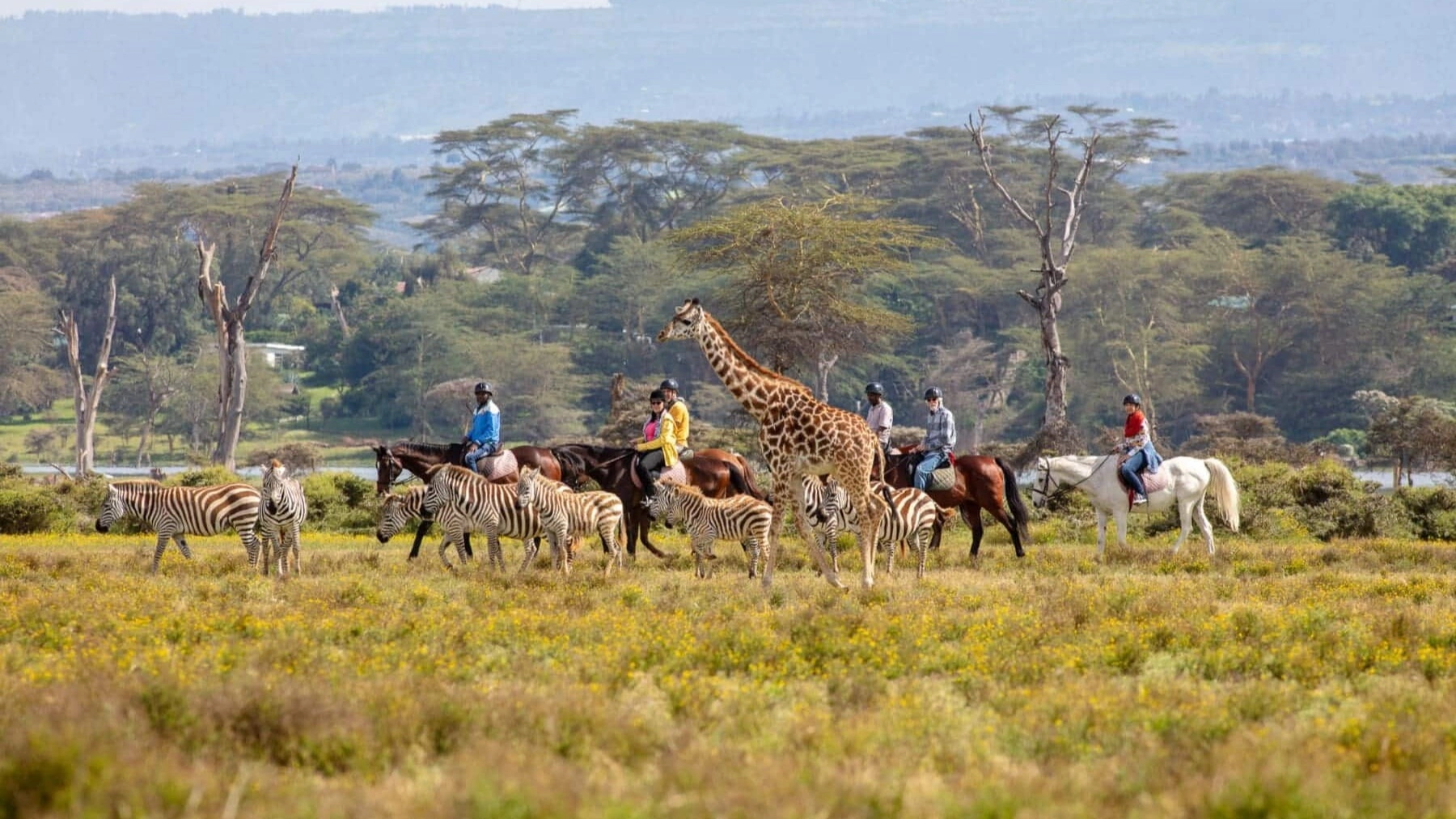
Picture yourself moving silently across the savannah. Zebras graze a few metres away, while on the horizon the evening sun turns the sky orange. No jeep, no window – just you, your horse and the vastness of East Africa. Sounds like a dream? It is, but one that’s surprisingly easy to make come true. In this article, you’ll find out what makes a horseback safari so special, where you can ride in Tanzania and Kenya, and how a ride fits perfectly into your trip.
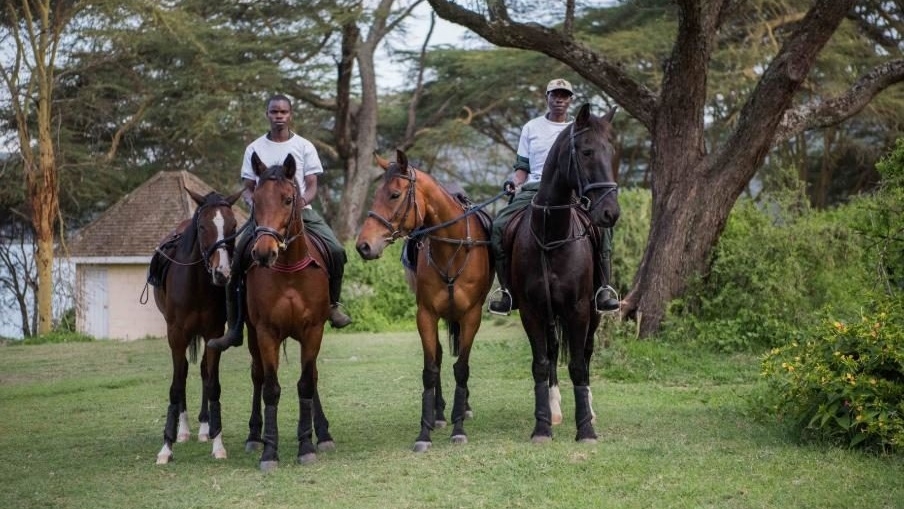
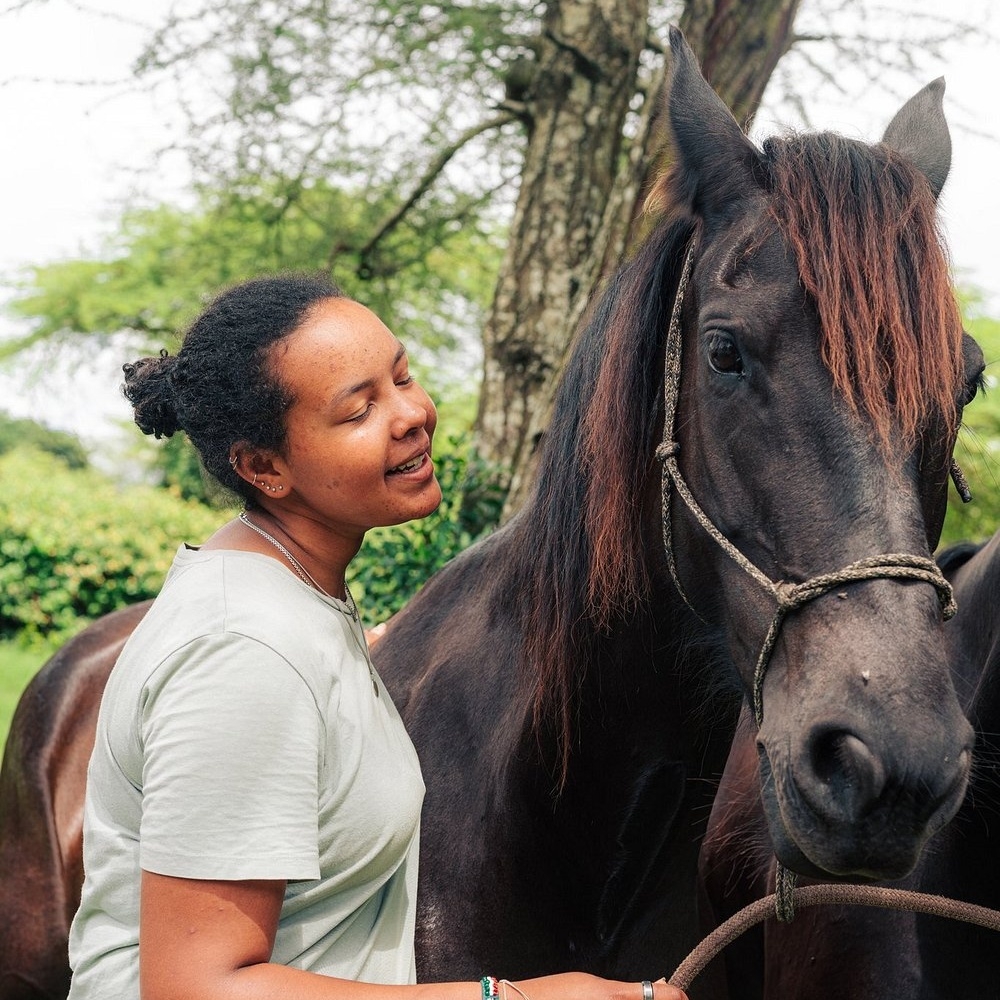
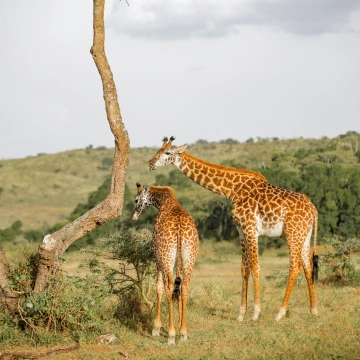
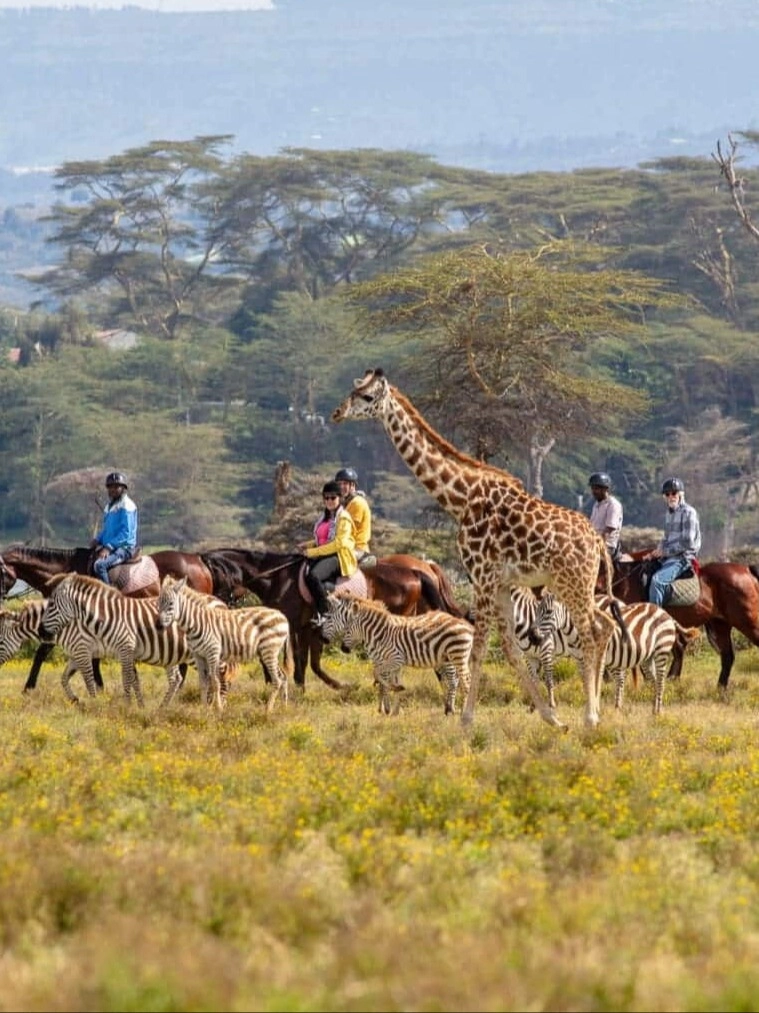
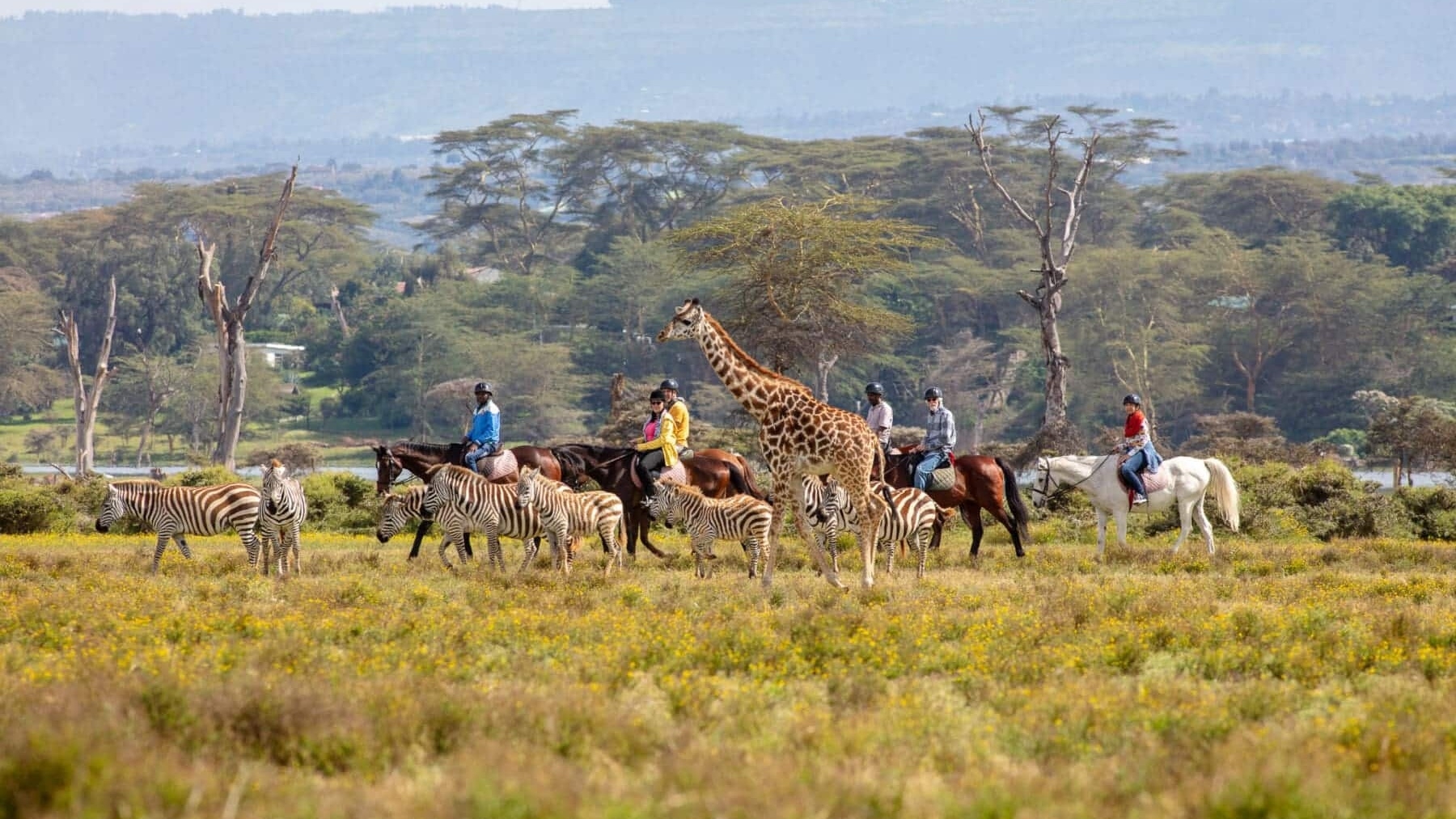
To many wild animals, a horse is just another animal on the savannah. People on foot quickly trigger the flight instinct in zebras and antelopes, and a 4x4 is loud and unfamiliar. A horse, on the other hand, is almost part of everyday life to them. That’s why wildebeest, eland and giraffes often keep grazing calmly as you ride past just a few metres away.
Then there’s the raised vantage point. From the saddle, you can see across bushland and plains far better than on foot, and you take in the landscape with all your senses: the crack of dry twigs, the smell of dust and grass, the calls of birds in the early morning.
Safety always comes first. The rides take place in private wildlife sanctuaries without big cats, and an experienced guide stays with you the whole time.
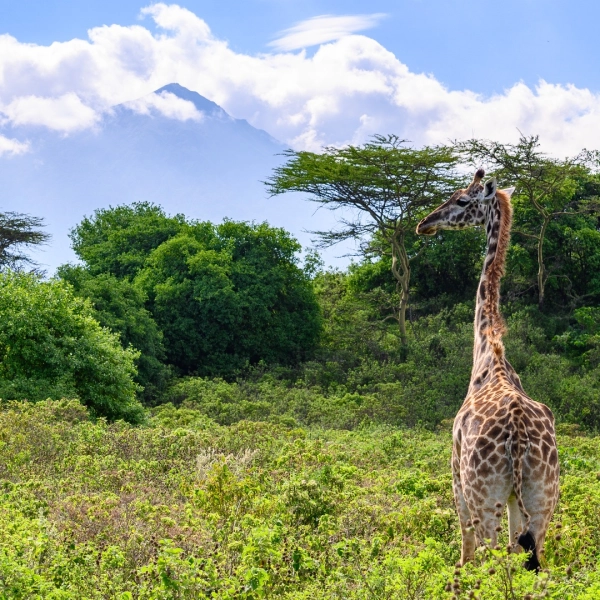
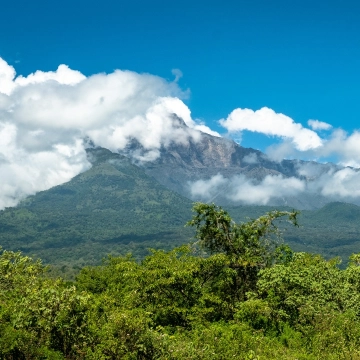
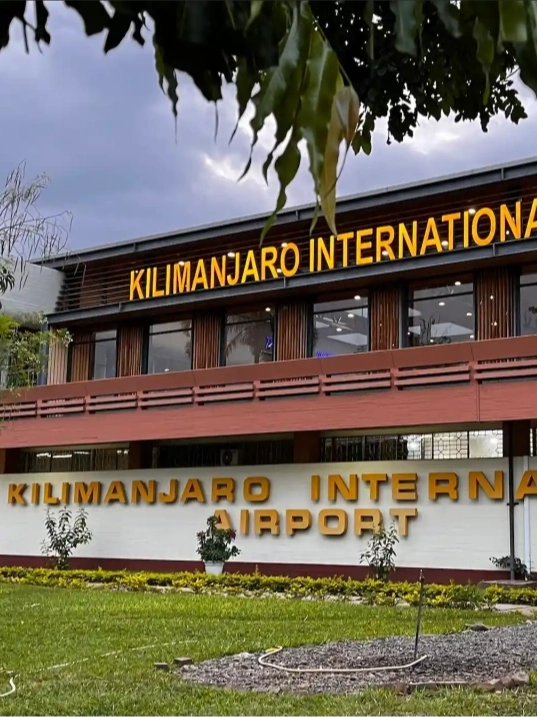
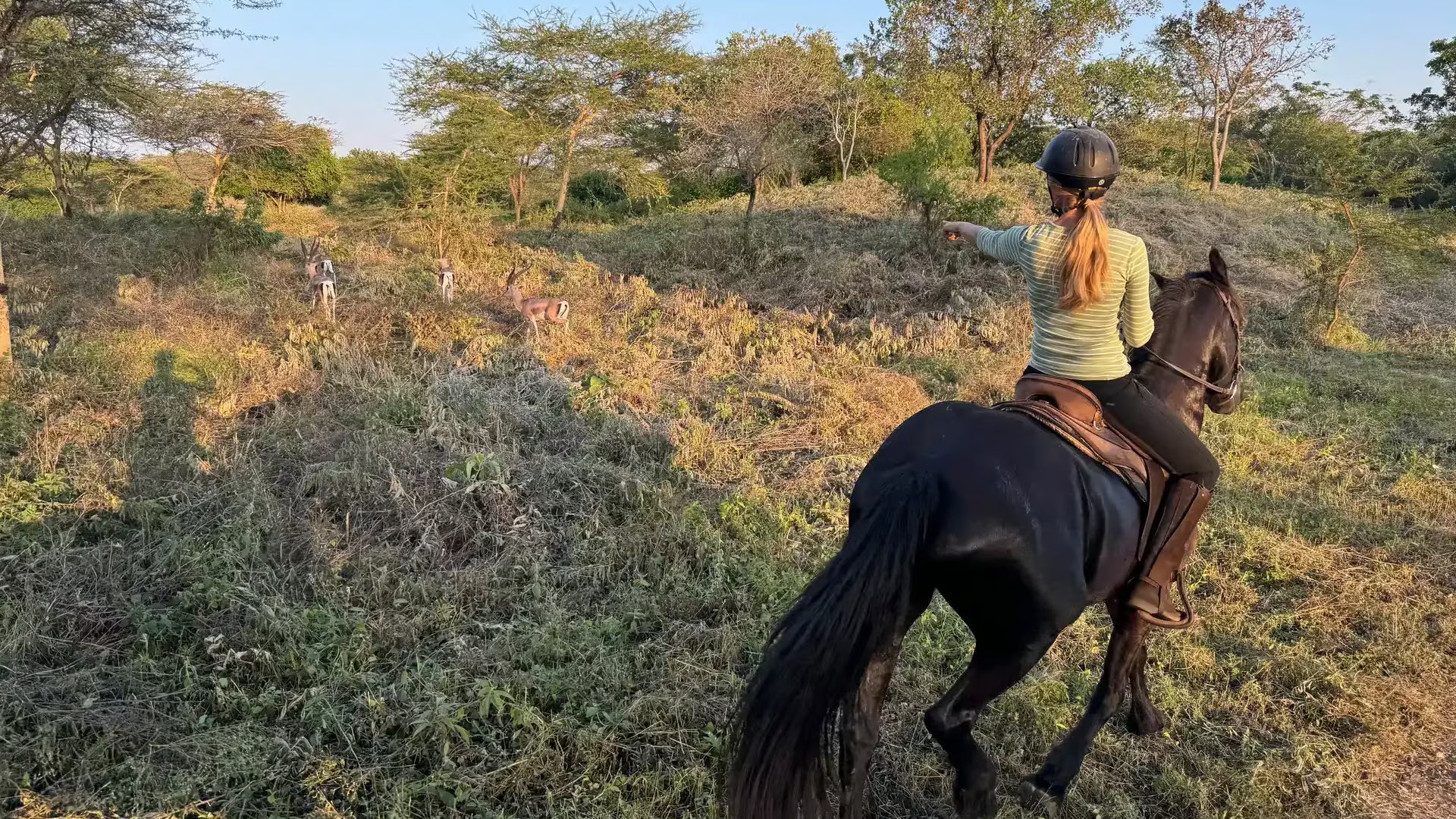
In Tanzania, you ride at the foot of Mount Meru. At over 4,500 metres, it’s the country’s second-highest mountain and the backdrop for a ride through around 200 hectares of private bushland, just 45 minutes from Kilimanjaro Airport. Open plains, waterholes and narrow forest trails alternate, and along the way you’ll meet zebras, wildebeest and various species of antelope. The late-afternoon ride is especially magical, when the sun sinks behind the mountain.
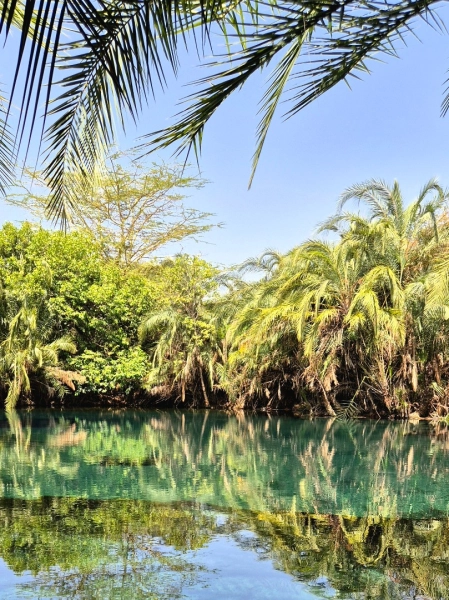
In Kenya, the ride takes you to the shores of Lake Naivasha. This freshwater lake sits in the Great Rift Valley at an altitude of around 1,900 metres. Its name comes from the Maa word “Nai’posha”, meaning something like “rough water” – a nod to the sudden storms that can sweep across it. In the private sanctuary by the lake, you ride among giraffes, zebras, impala and buffalo right down to the water’s edge, where with a bit of luck you’ll spot hippos too.
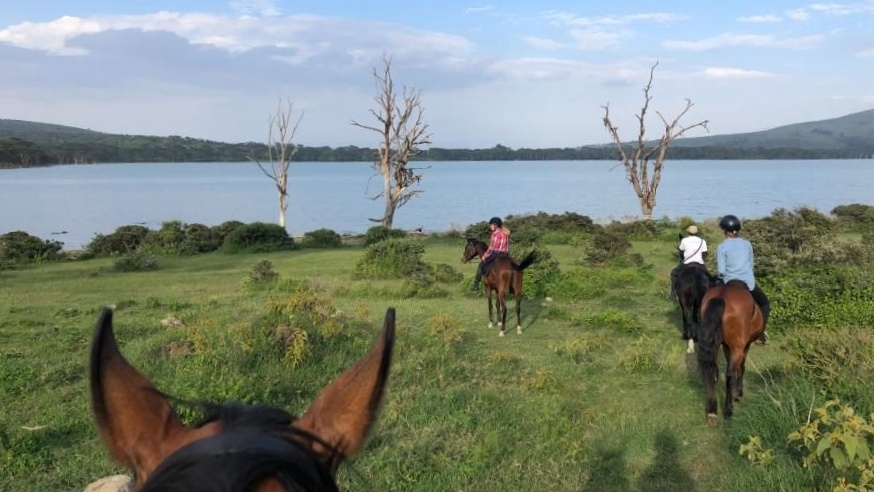
You don’t need to be a pro in the saddle. The horses are calm and used to guests, and your guide picks the right one for you and stays by your side throughout. If you’re already a confident rider, you may get the chance to trot or canter, depending on the terrain.
A horseback safari is a wonderful experience for families too. Depending on the location, children can ride from the age of three or eight. Some stables have a weight limit of around 95 kilograms. Helmets are provided – all you need are long trousers, sturdy closed shoes and sun protection.
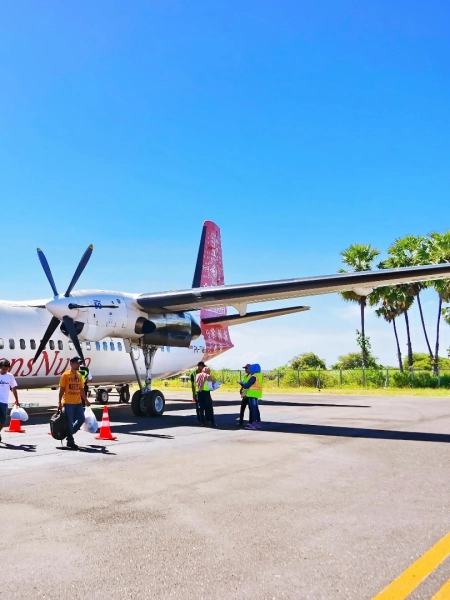
In Tanzania, the ride is ideal for your arrival or departure day, as a rest day before climbing Kilimanjaro or as a relaxing finale after your Northern Circuit safari. Arusha National Park is just around the corner and easy to combine on the same or the following day.
In Kenya, Naivasha lies on the way from Nairobi to the Masai Mara, about two hours’ drive from the capital. That turns a long transfer into a relaxed stopover, with an overnight stay and a morning ride. Rides last between half an hour and two hours, and prices range from around USD 23 to USD 120 per person, depending on location and duration.
4x4 or horse?
Our honest answer: both.
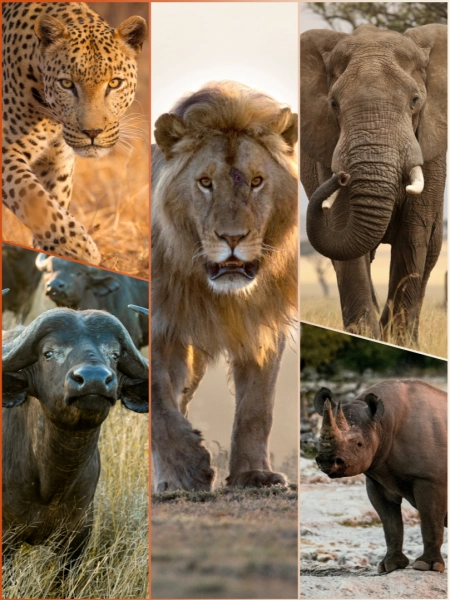
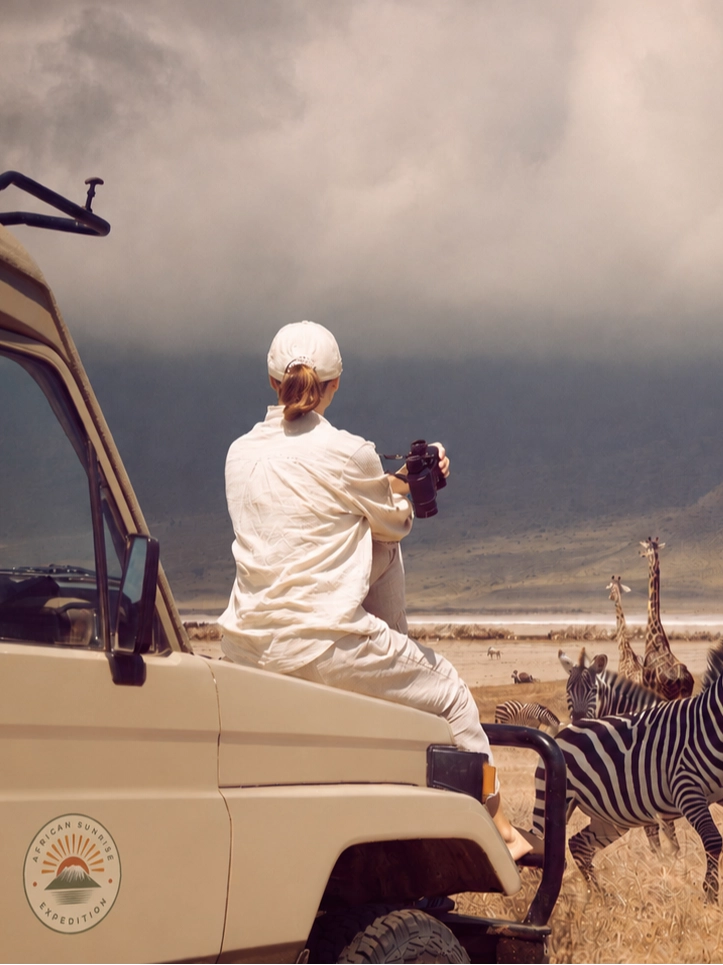
A classic game drive shows you the Big Five; a ride shows you what the wilderness feels like. At African Sunrise Expedition, we plan your trip individually and step by step with you, backed by our experienced team on the ground and the reassurance of an Austrian point of contact. Tell us about your dream of riding across the savannah.