Wer eine Safari in Afrika plant, begegnet unweigerlich einem Begriff, der fast schon legendär ist: die „Big Five“. Für viele Reisende sind sie das Highlight jeder Safari, ein Erlebnis, das lange in Erinnerung bleibt. Doch nur wenige wissen, woher dieser Begriff tatsächlich stammt und welche Geschichte dahintersteckt.
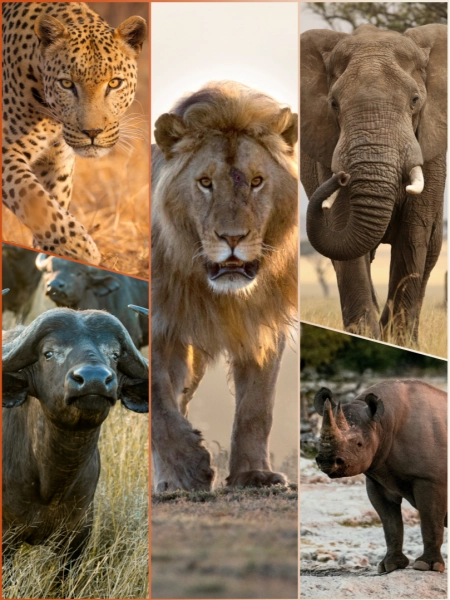
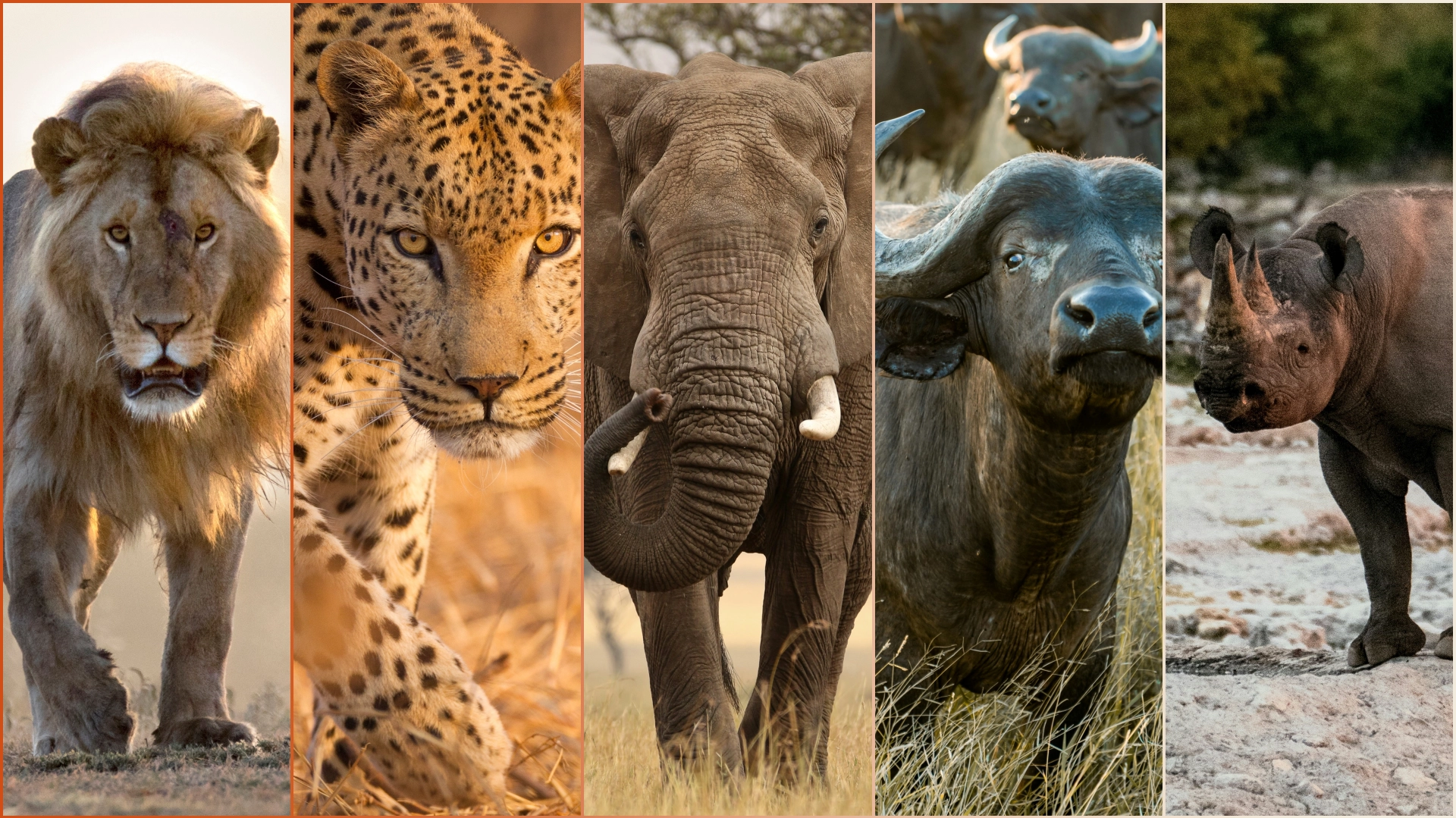
Zu den „Big Five“ zählen fünf ikonische Tierarten Afrikas:
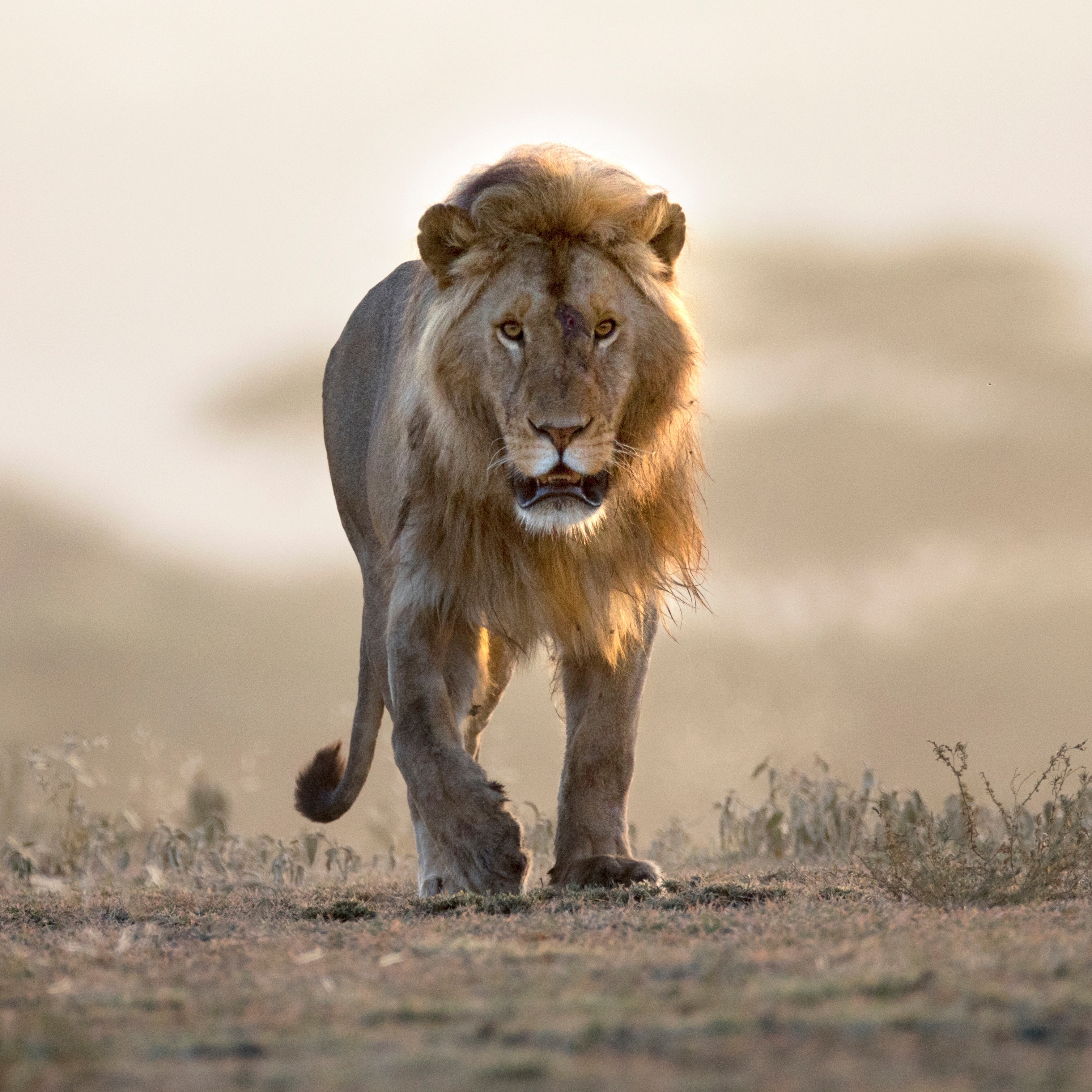
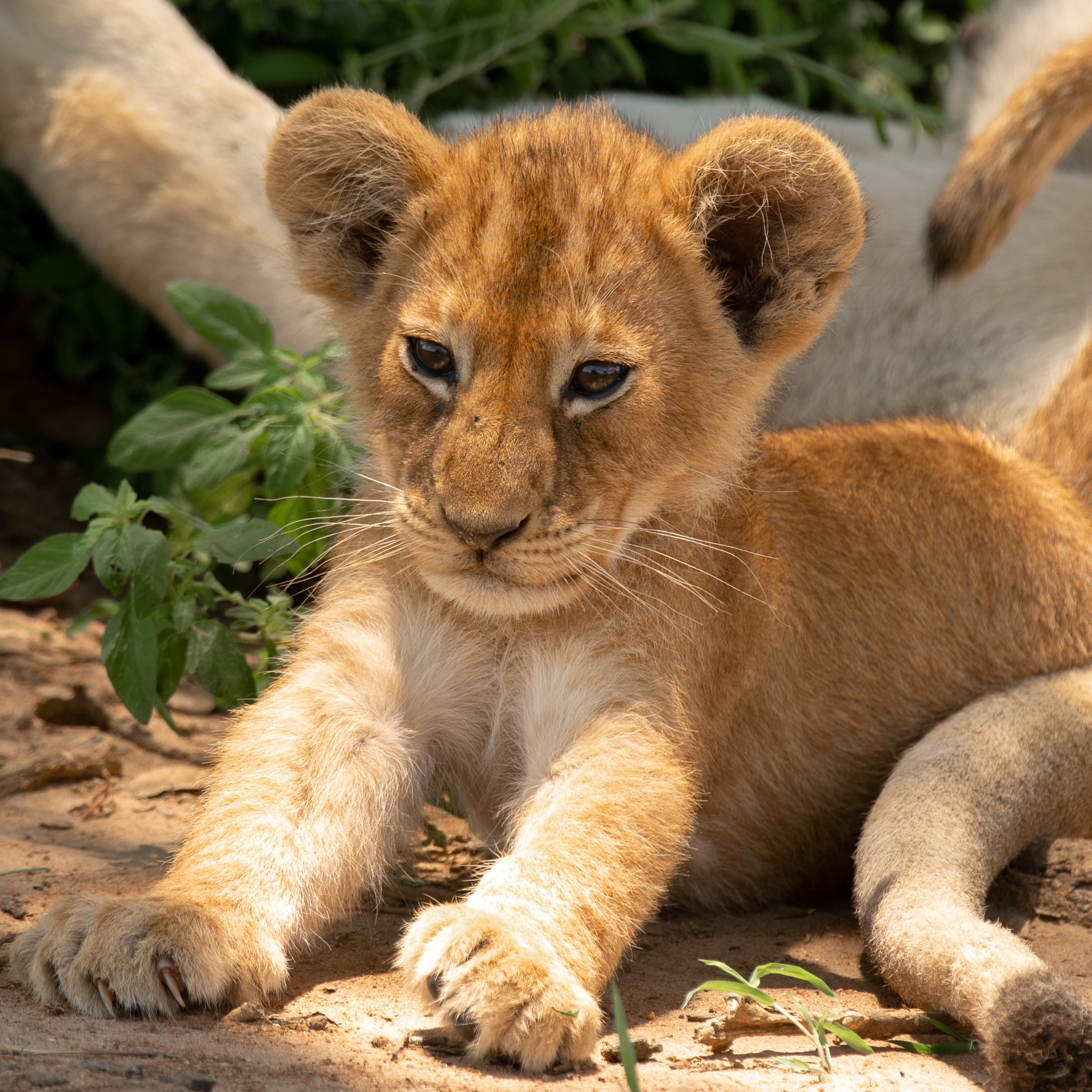
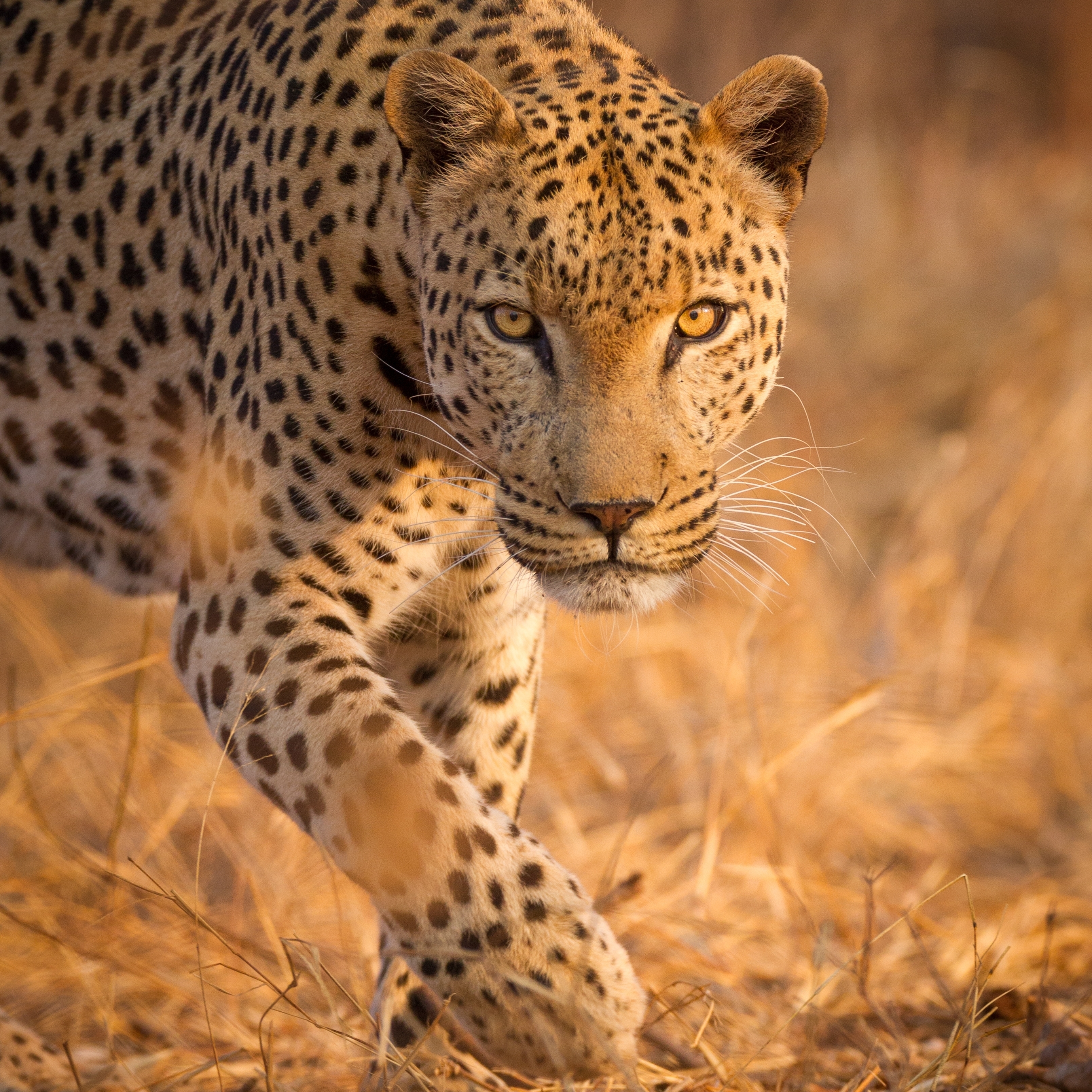
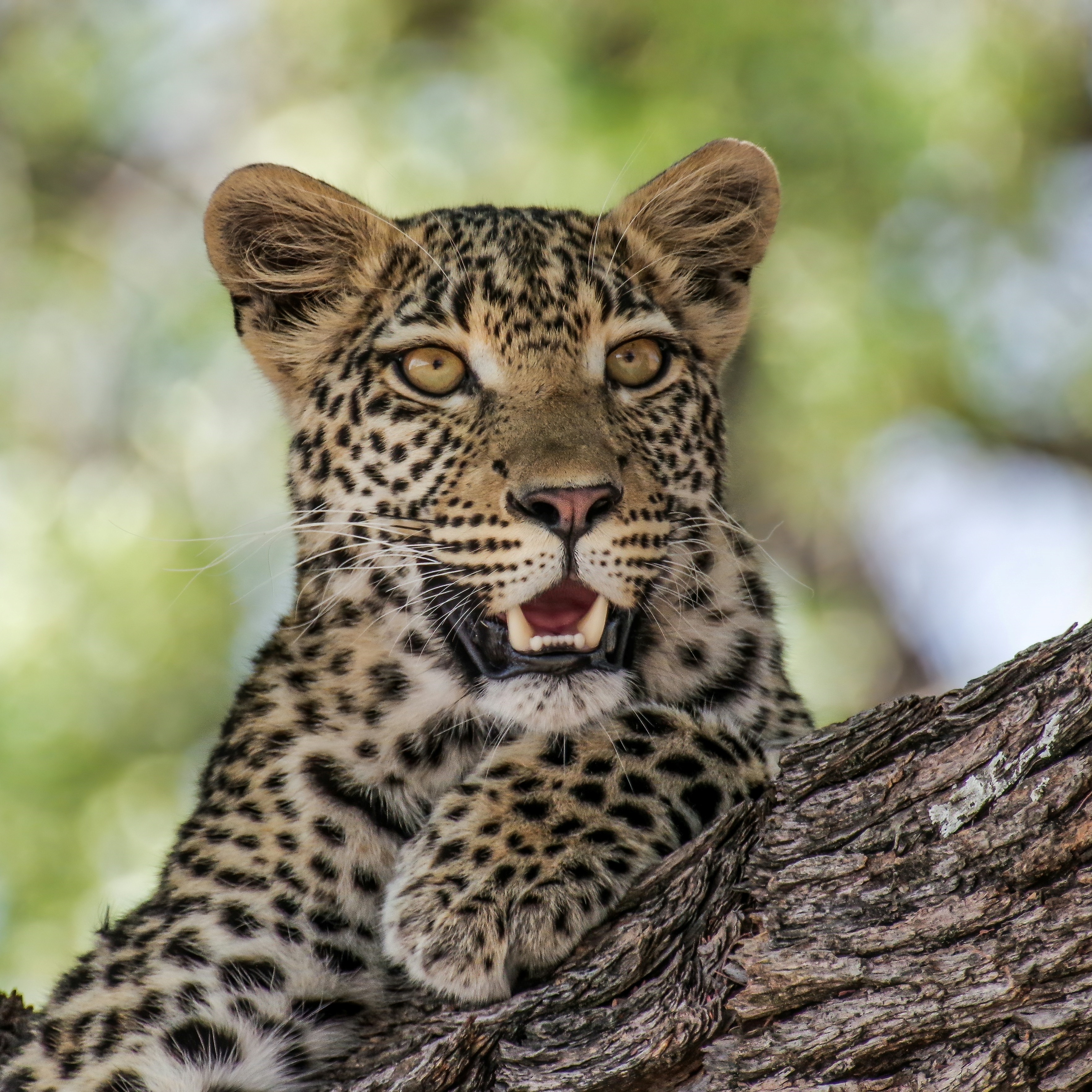
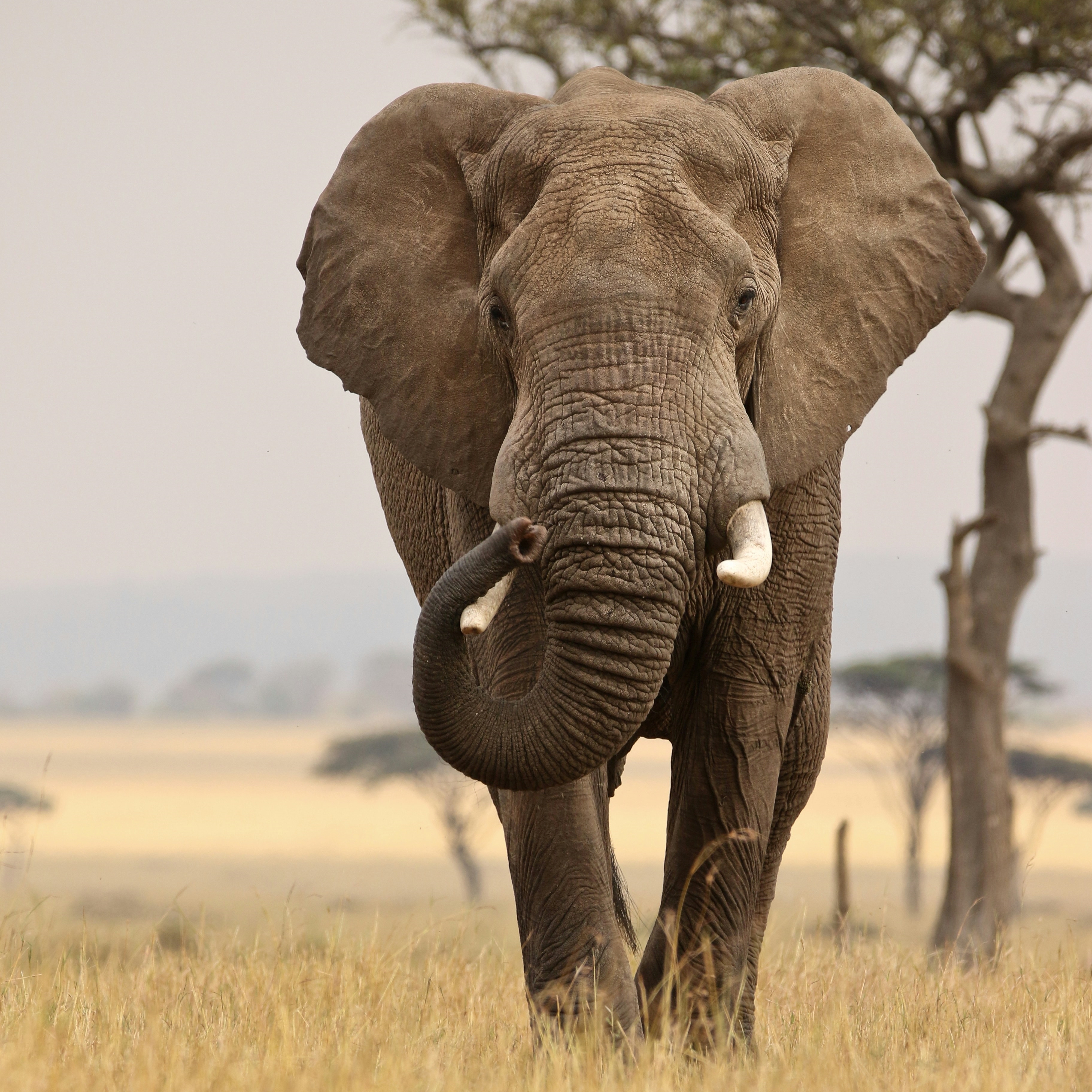
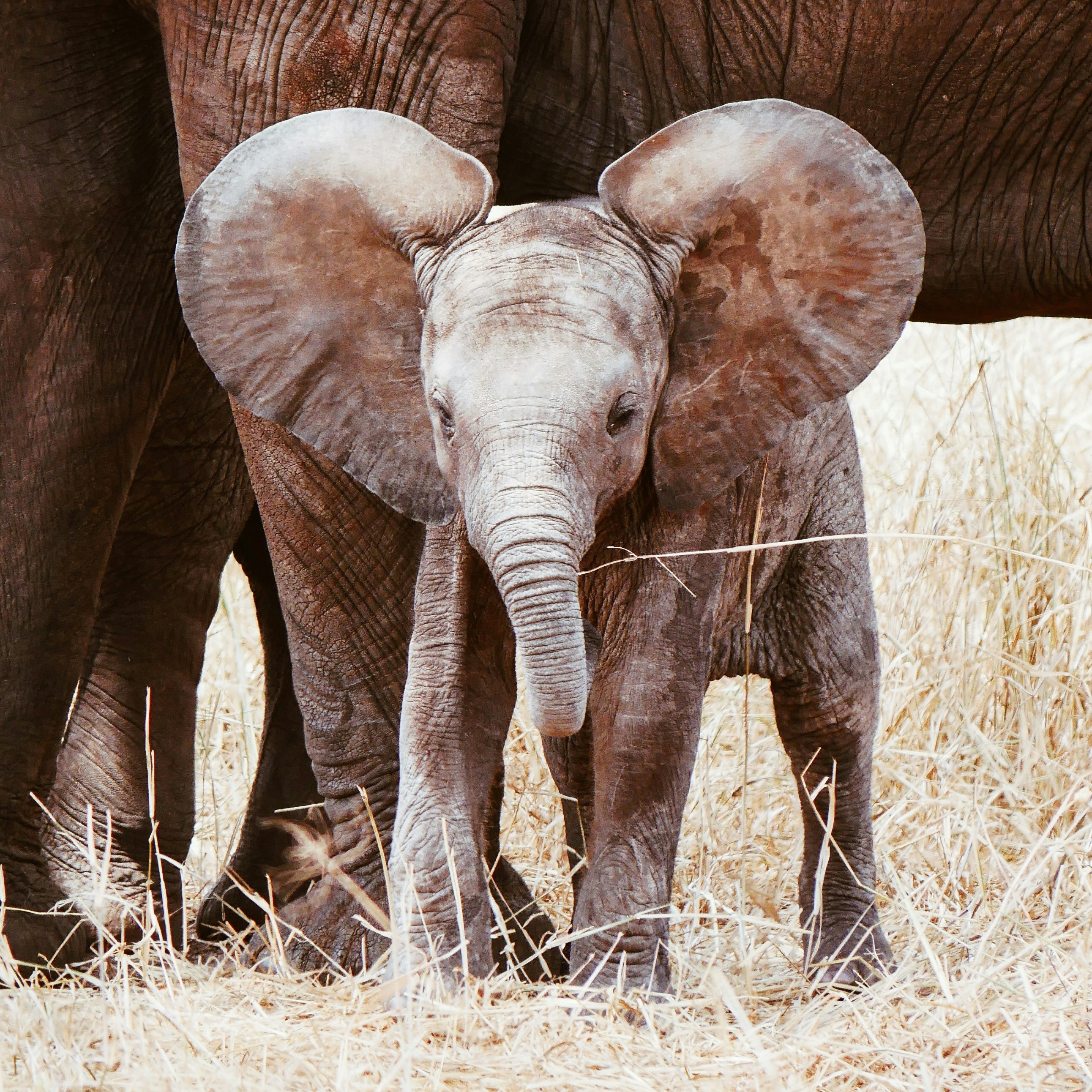
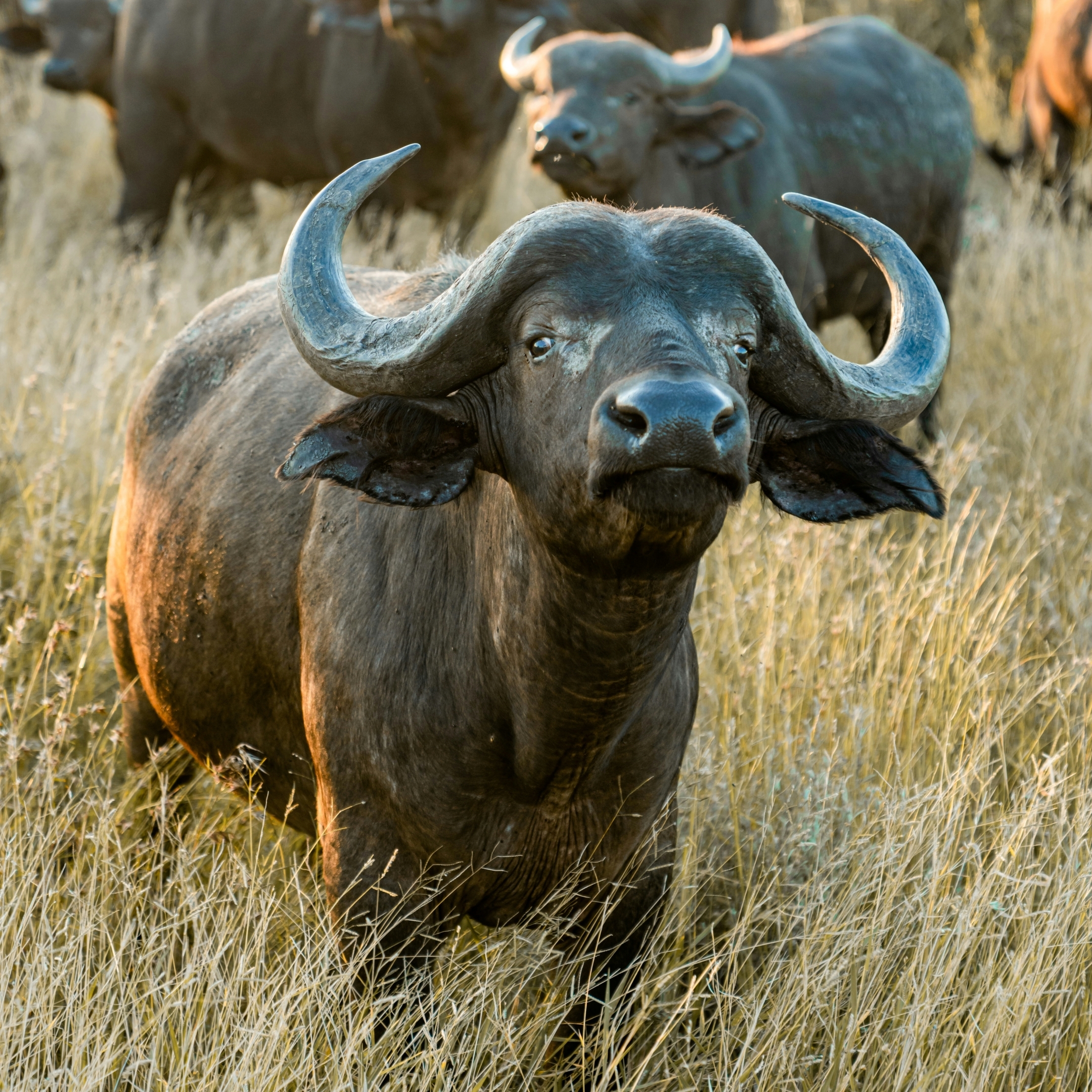
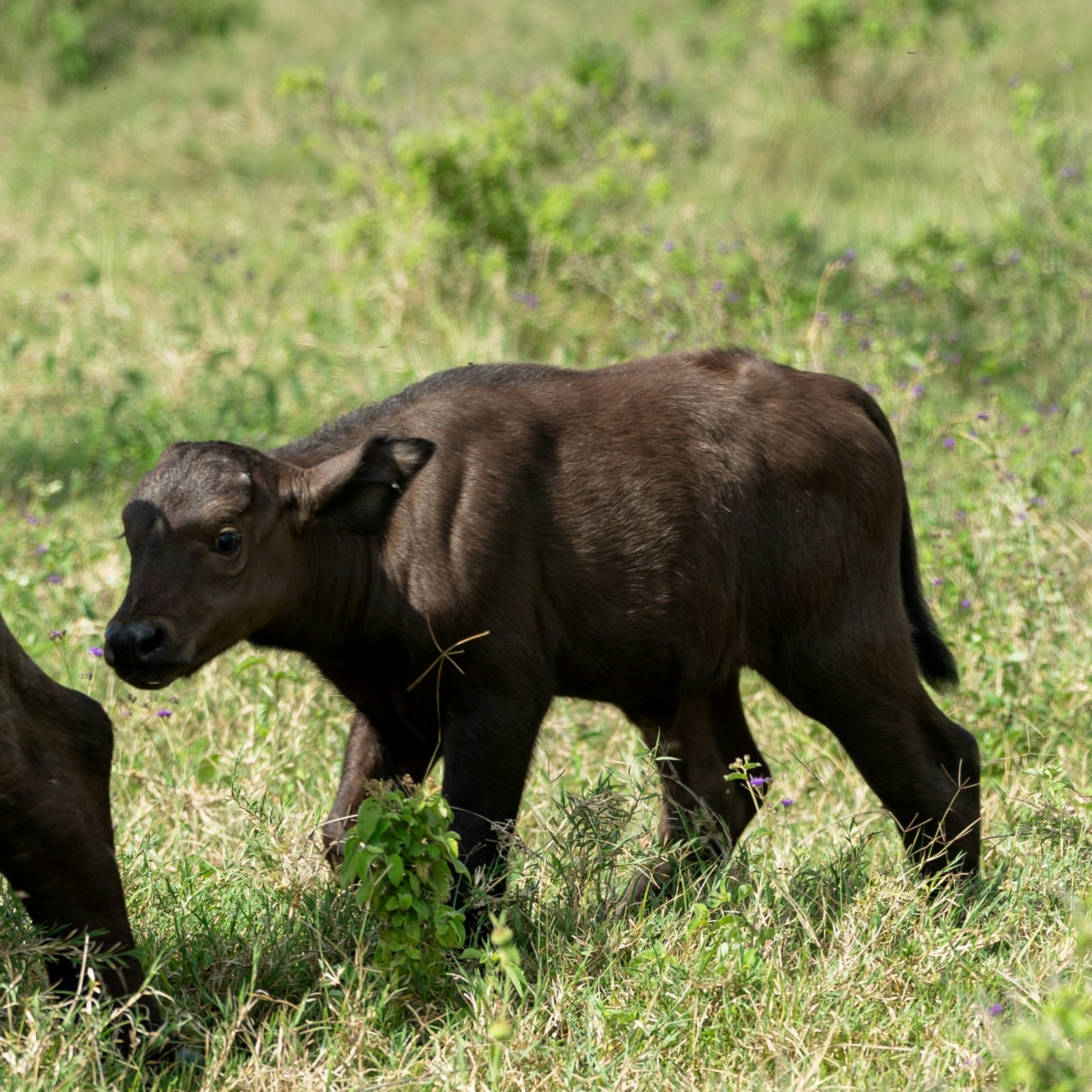
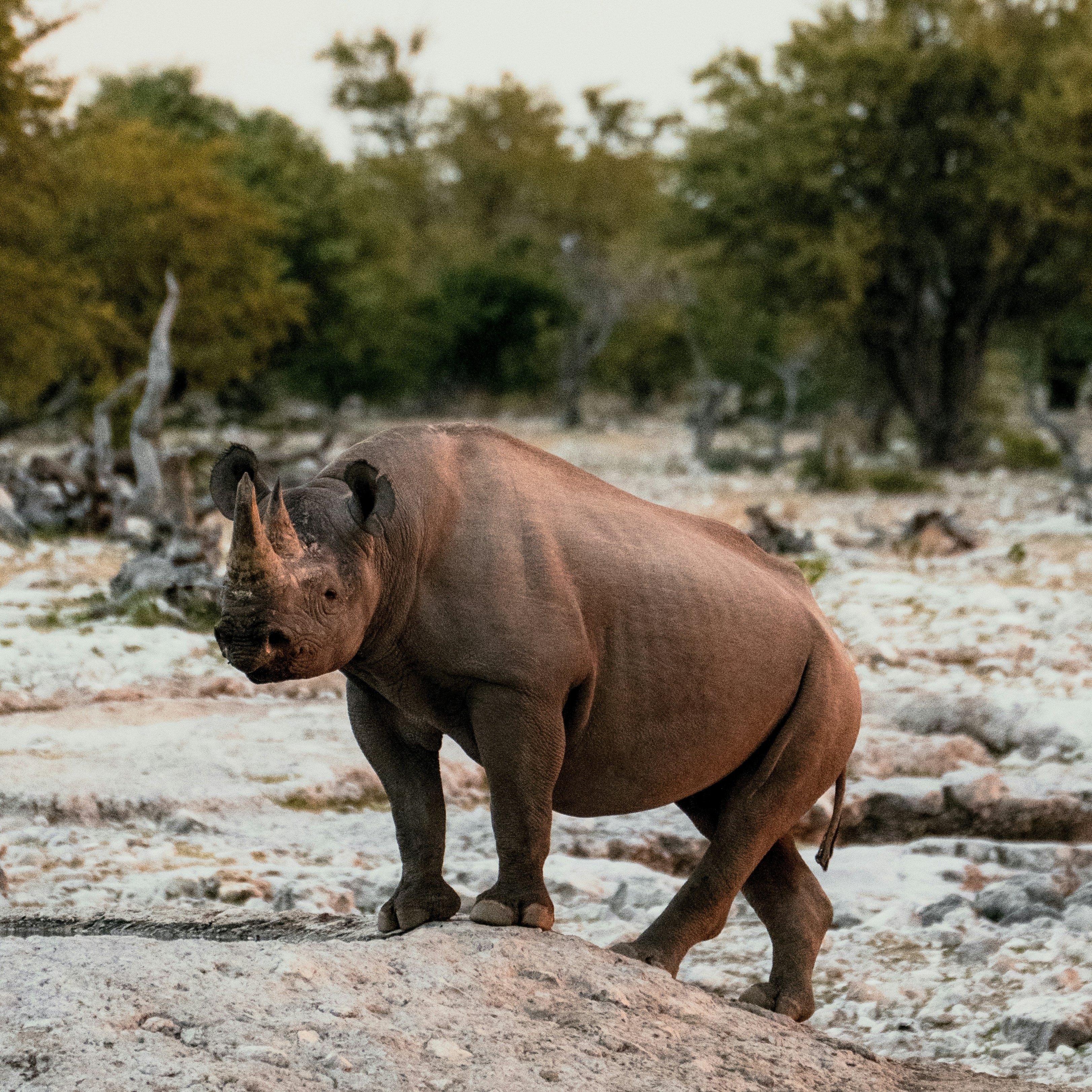
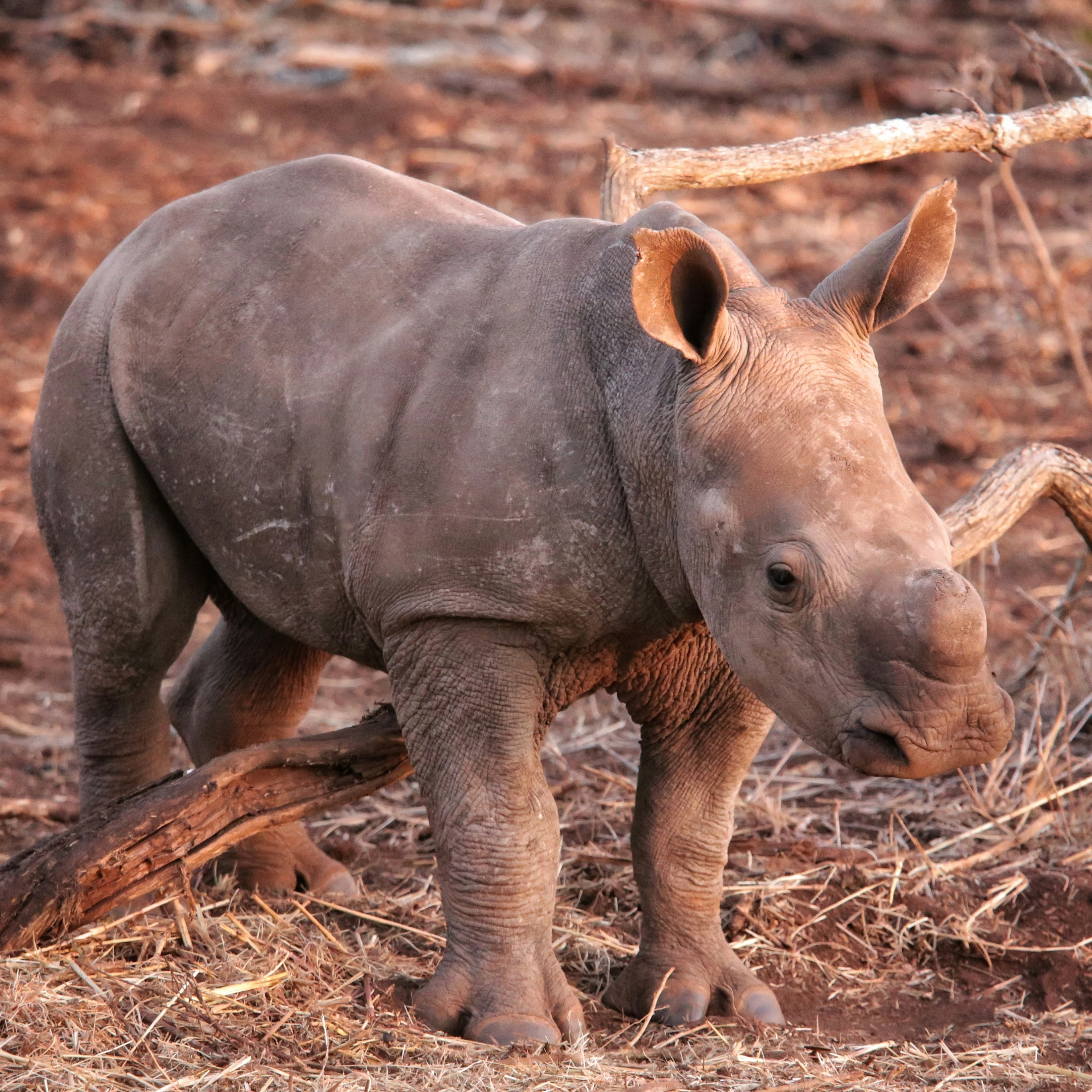
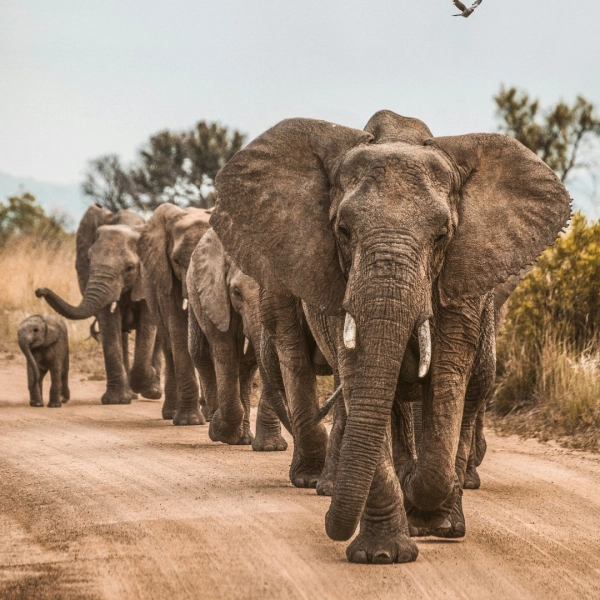
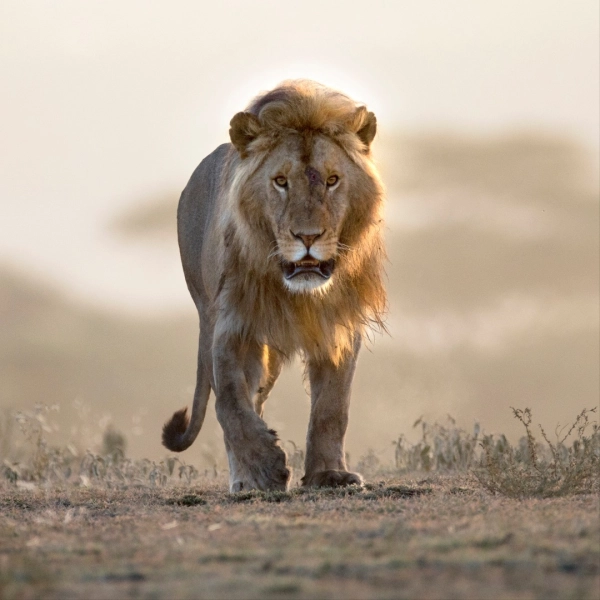
Sie gehören zweifellos zu den beeindruckendsten Bewohnern der afrikanischen Savanne. Jede dieser Tierarten hat ihren eigenen Charakter: die ruhige Stärke der Elefanten, die unberechenbare Kraft der Büffel, die Eleganz der Leoparden, die majestätische Präsenz der Löwen und die urzeitliche Anmut der Nashörner.
Oft wird angenommen, dass diese Tiere aufgrund ihrer Größe ausgewählt wurden. Tatsächlich ist der Ursprung ein ganz anderer.
Der Begriff „Big Five“ stammt aus der Zeit der Großwildjagd im 19. und frühen 20. Jahrhundert. Damals bezeichnete er jene fünf Tiere, die für Jäger am schwierigsten und gefährlichsten zu erlegen waren. Es ging also nicht um Größe oder Schönheit, sondern um Risiko, Prestige und Trophäen.
Die Jagd auf die Big Five war eng mit der Kolonialzeit verbunden und galt als Symbol für Abenteuer, Mut und Status. Für viele bedeutete es Ruhm, eines dieser Tiere erlegt zu haben.
Heute wirkt diese Perspektive überholt, und genau das ist sie auch.
In den letzten Jahrzehnten hat ein grundlegender Wandel stattgefunden. Was früher als Trophäe galt, wird heute als schützenswertes Naturerbe verstanden. Der Fokus hat sich verschoben: weg von der Jagd, hin zum Erhalt der Tierwelt.
Safaris sind heute eine der nachhaltigsten Formen, diese einzigartige Natur zu erleben, vorausgesetzt, sie werden verantwortungsvoll durchgeführt. Statt Tiere zu jagen, geht es darum, sie zu beobachten, zu verstehen und ihren Lebensraum zu respektieren.
Dieser Perspektivenwechsel macht moderne Safaris zu etwas ganz Besonderem: Es ist nicht mehr das Besitzen, sondern das Erleben, das zählt.
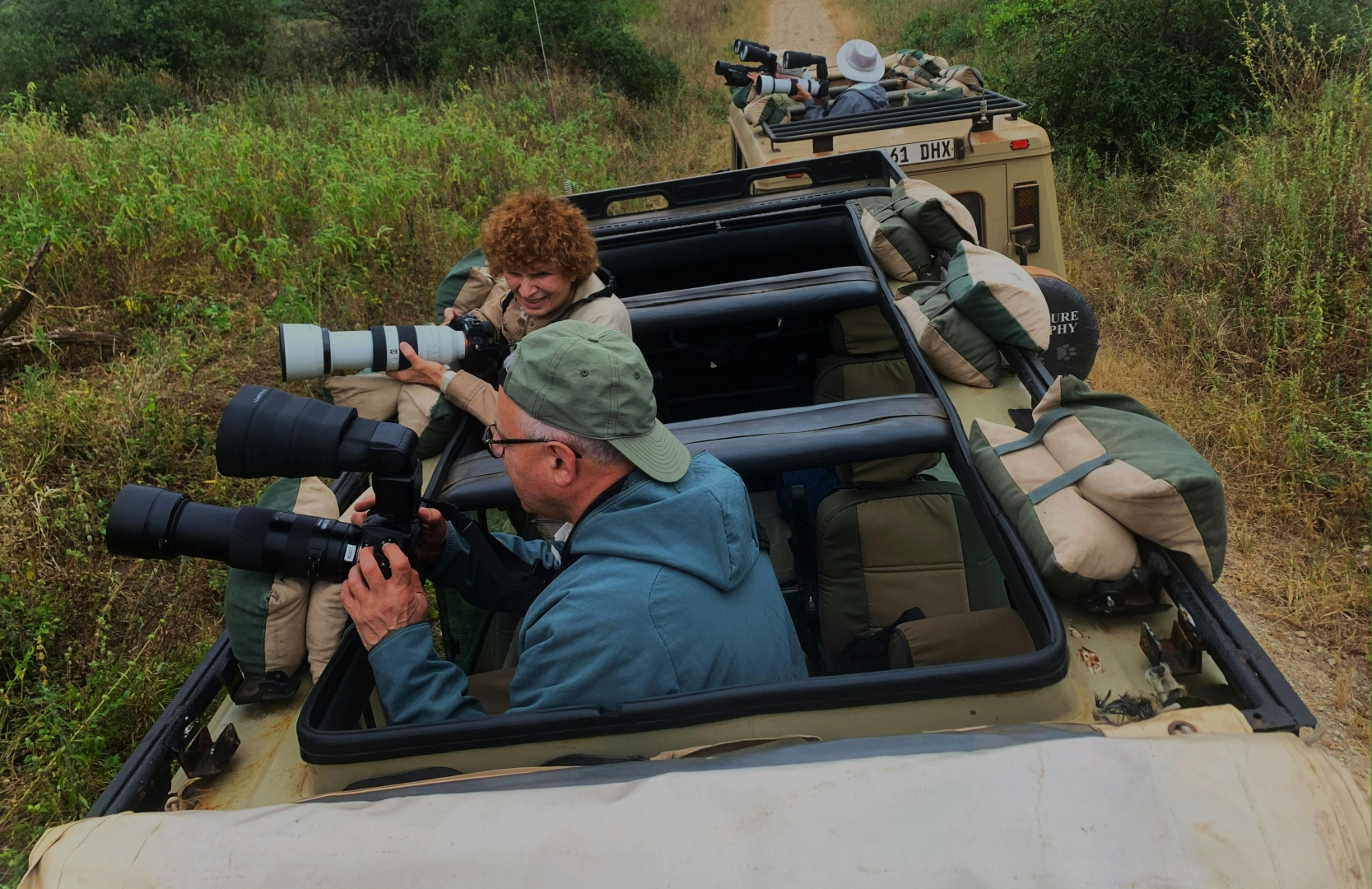
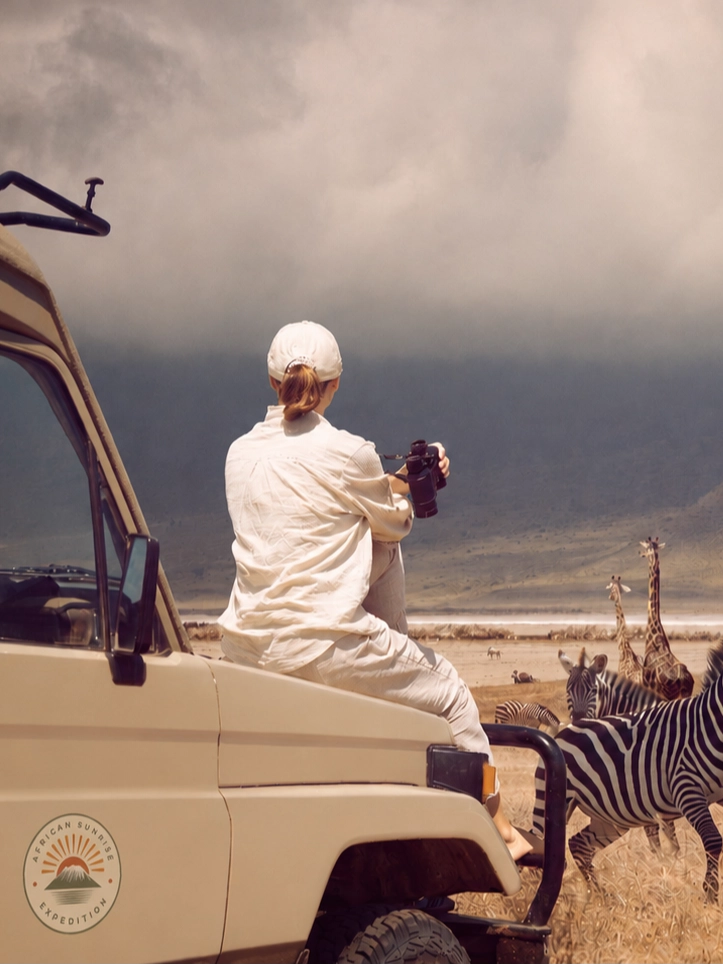
Bei African Sunrise Expedition ist diese Haltung zentraler Bestandteil unserer Arbeit.
Deshalb gilt für uns ganz klar:
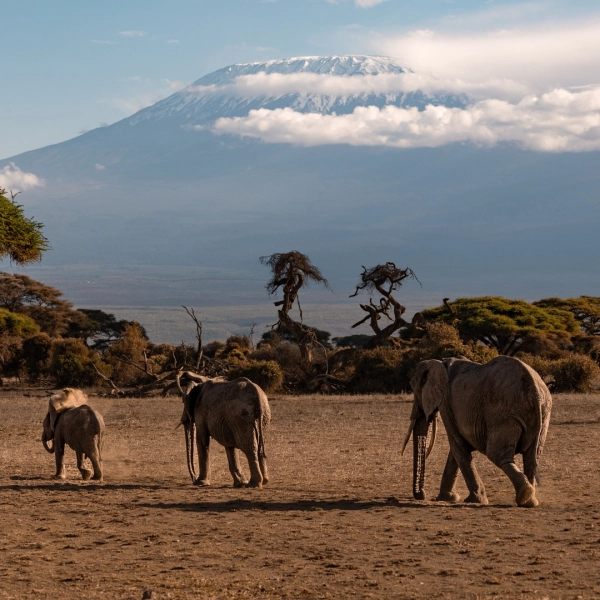
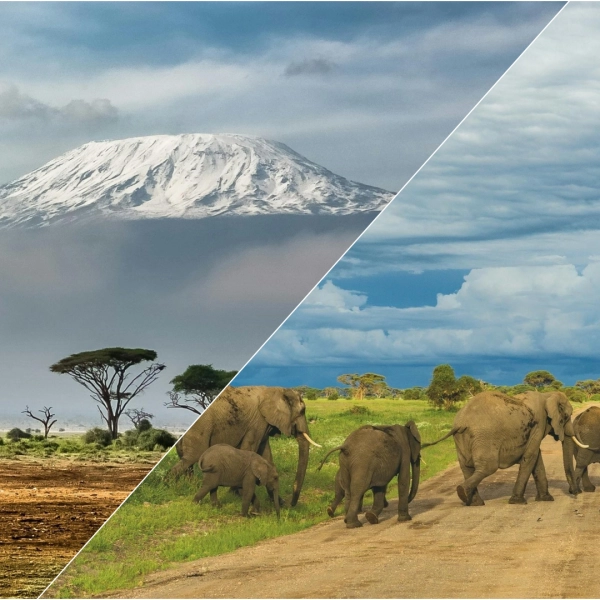
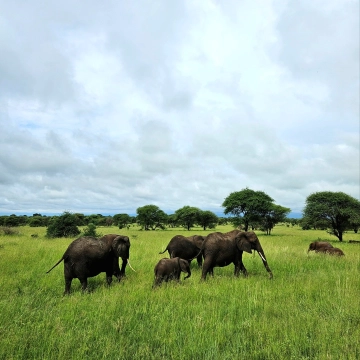
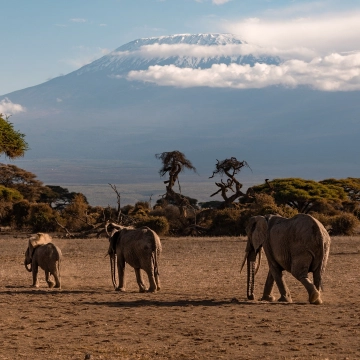
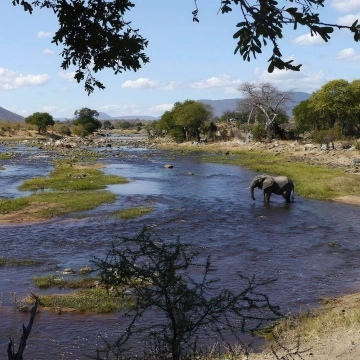
Unsere Gäste erleben die Big Five in ihrer ursprünglichen Umgebung. Ein Löwe, der im hohen Gras ruht. Eine Elefantenherde, die gemächlich zum Wasser zieht. Ein Leopard, der sich nahezu unsichtbar durch die Bäume bewegt. Oder ein Nashorn, das in der Ferne auftaucht, selten, aber umso eindrucksvoller.
Das sind keine inszenierten Momente. Es sind echte Begegnungen. Und genau das macht sie so wertvoll.
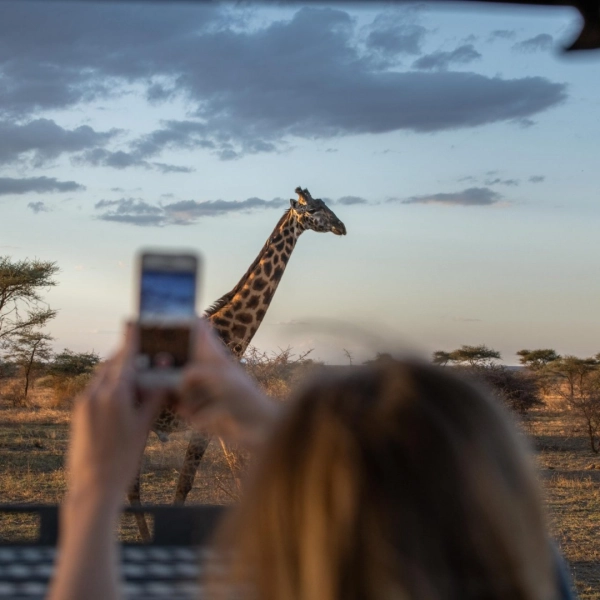
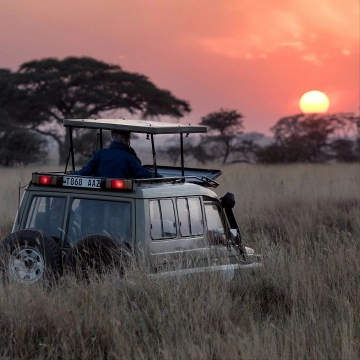
Unsere einzige „Waffe“ ist die Kamera. Und oft sind es gerade diese eingefangenen Augenblicke, die noch lange nach der Reise weiterleben.
So faszinierend die Big Five sind, so verletzlich sind sie auch. Besonders Nashörner und Elefanten sind weiterhin stark durch Wilderei bedroht. Auch Lebensraumverlust durch wachsende Bevölkerung und Infrastruktur stellt eine große Herausforderung dar.
Hier spielt nachhaltiger Tourismus eine entscheidende Rolle:
Jede verantwortungsvoll durchgeführte Safari trägt somit aktiv zum Schutz dieser einzigartigen Tiere bei.
Für viele Reisende wird die Suche nach den Big Five zu einer Art persönlicher Mission. Doch wir sind überzeugt: Eine Safari ist weit mehr als das „Abhaken“ von fünf Tierarten.
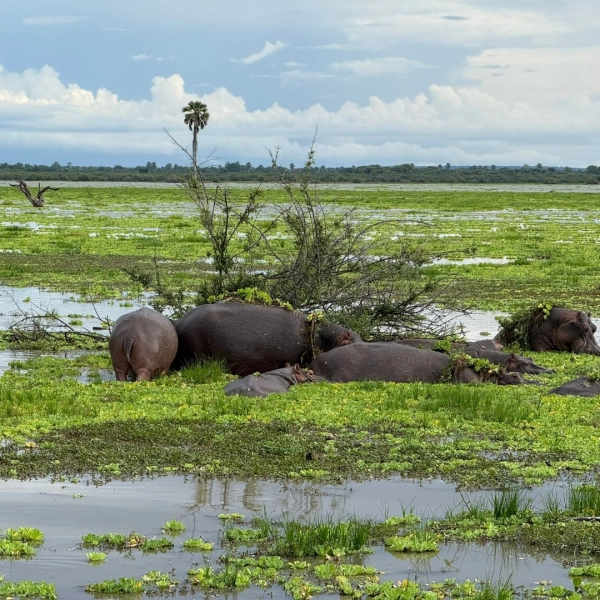
Es sind die kleinen Momente, die oft genauso in Erinnerung bleiben:
Die Big Five sind ein Teil dieser Erfahrung, aber nicht ihr einziger Wert.
Die „Big Five“ erzählen eine Geschichte des Wandels: von Jagd zu Schutz, von Trophäen zu Erlebnissen, von Besitz zu Respekt.
Heute geht es nicht mehr darum, diese Tiere zu erlegen. Sondern darum, sie in ihrer natürlichen Umgebung zu erleben, achtsam, nachhaltig und mit offenen Augen.
Und genau dafür stehen wir bei African Sunrise Expedition.