Safe journey. Real adventure!
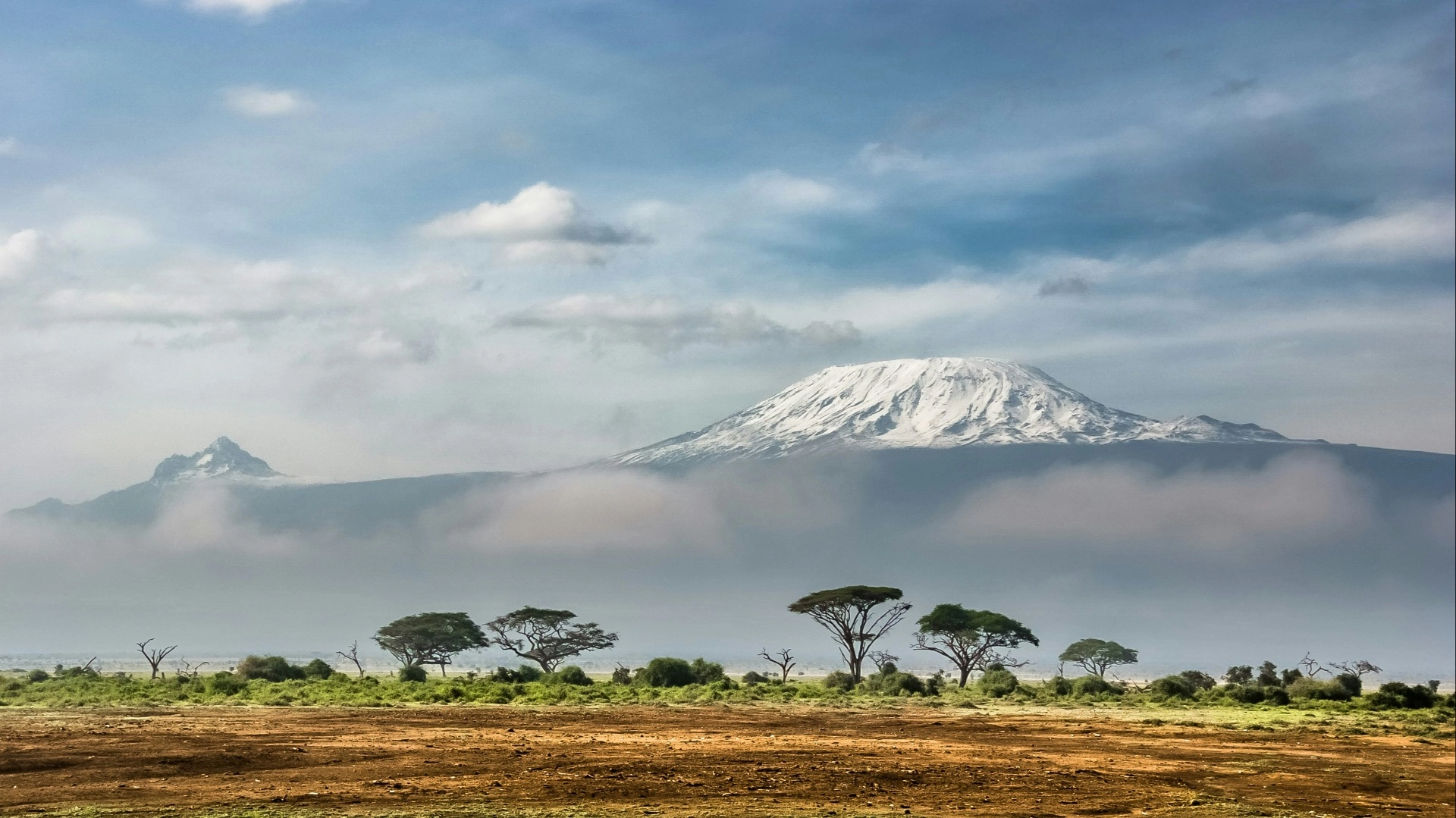
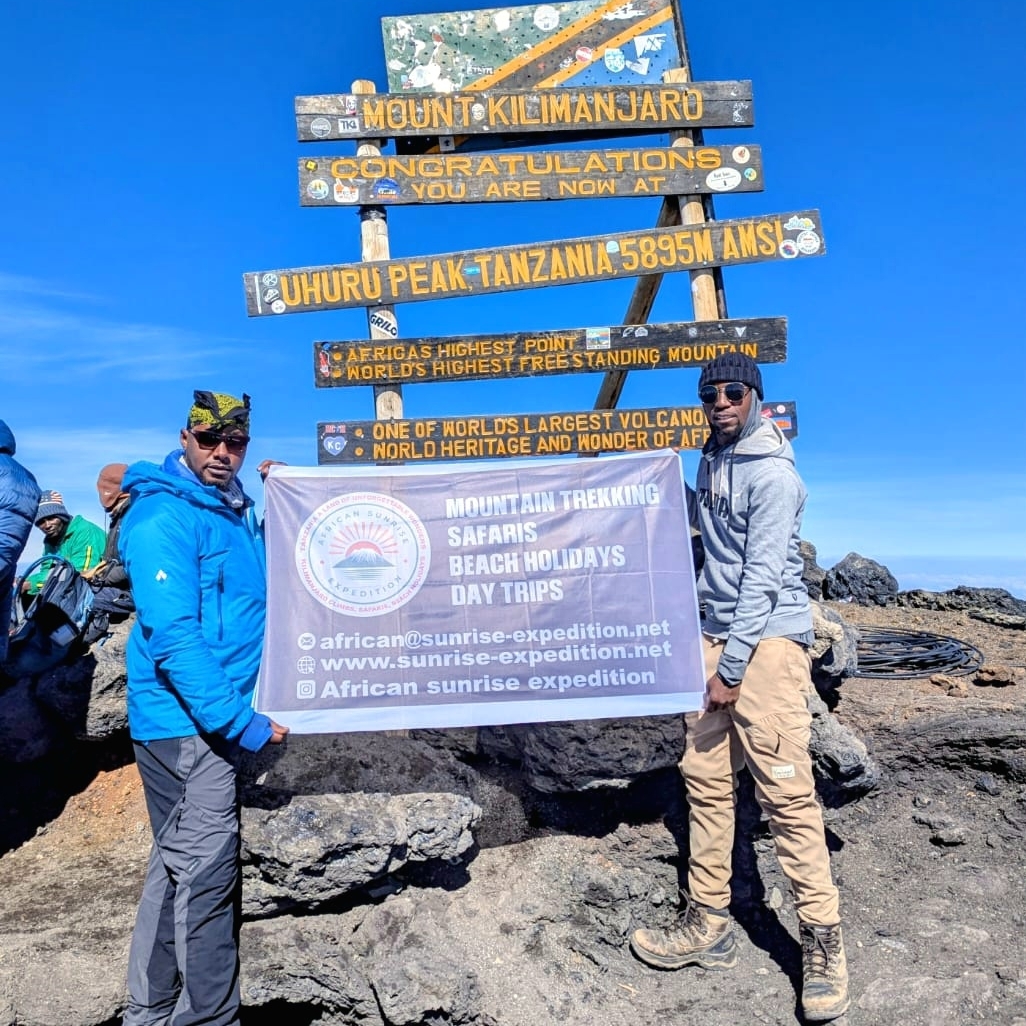
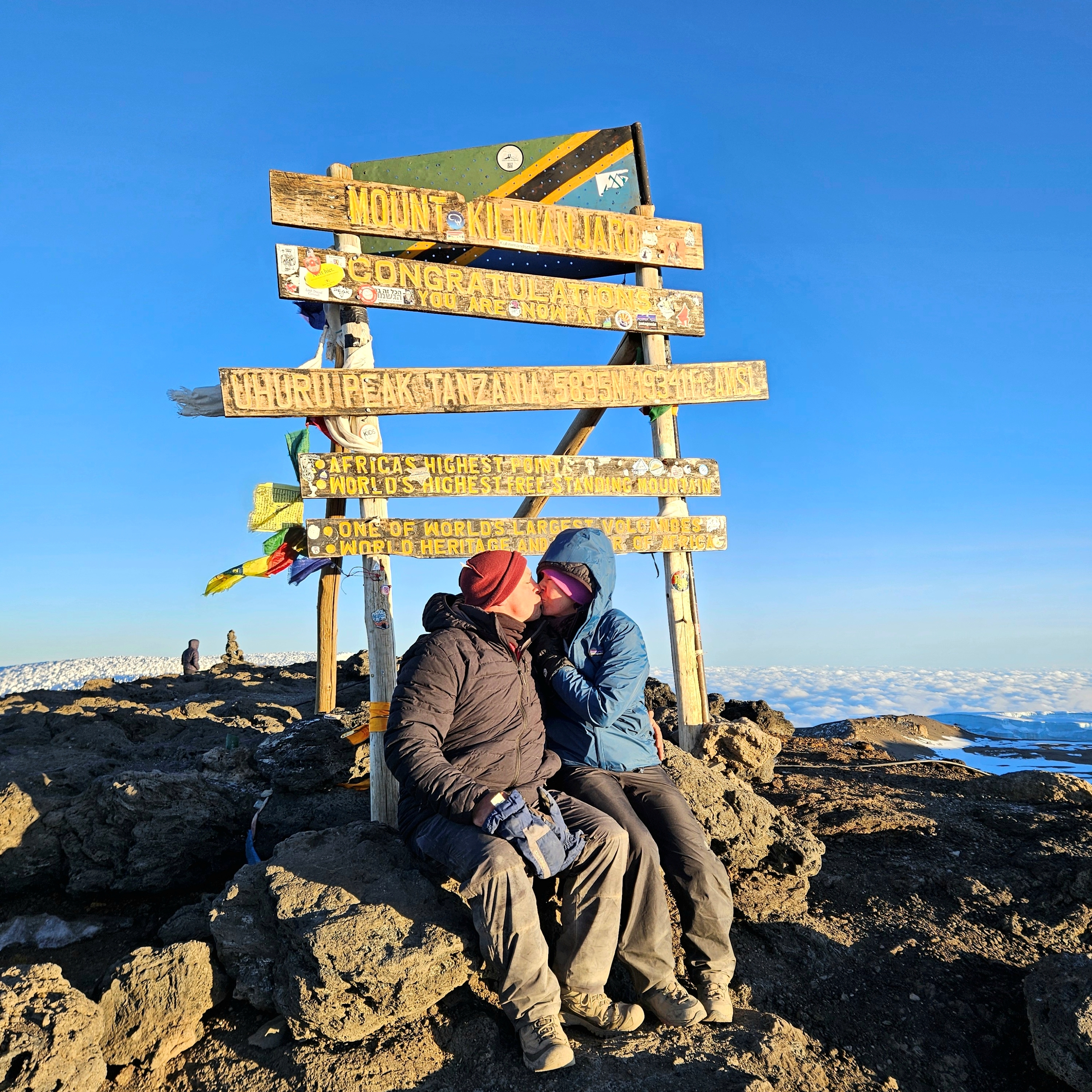
Mount Kilimanjaro, at 5,895 meters above sea level, is the highest mountain in Africa and is one of the Seven Summits, the highest peaks on each continent. Located in Tanzania near the border with Kenya, it is an extinct volcano with three peaks: Kibo, Mawenzi, and Shira. Kibo is the highest point and is home to the famous Uhuru Peak. Despite its height, Kilimanjaro is one of the most accessible peaks in the world as no technical climbing skills are required. However, the challenge is significant due to the risk of altitude sickness. The mountain offers an impressive variety of landscapes, from rainforests and moorlands to alpine deserts and icy peaks.
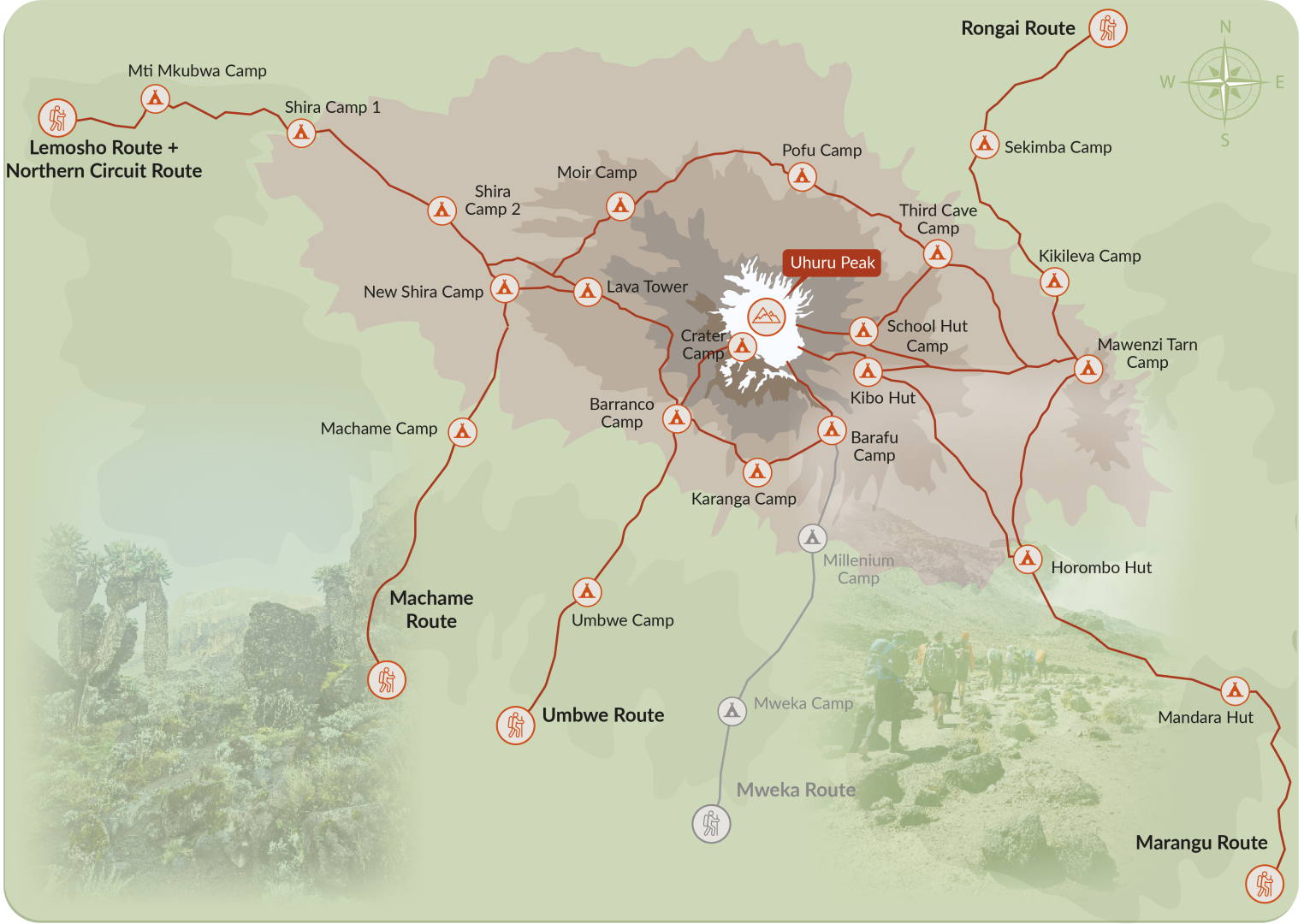
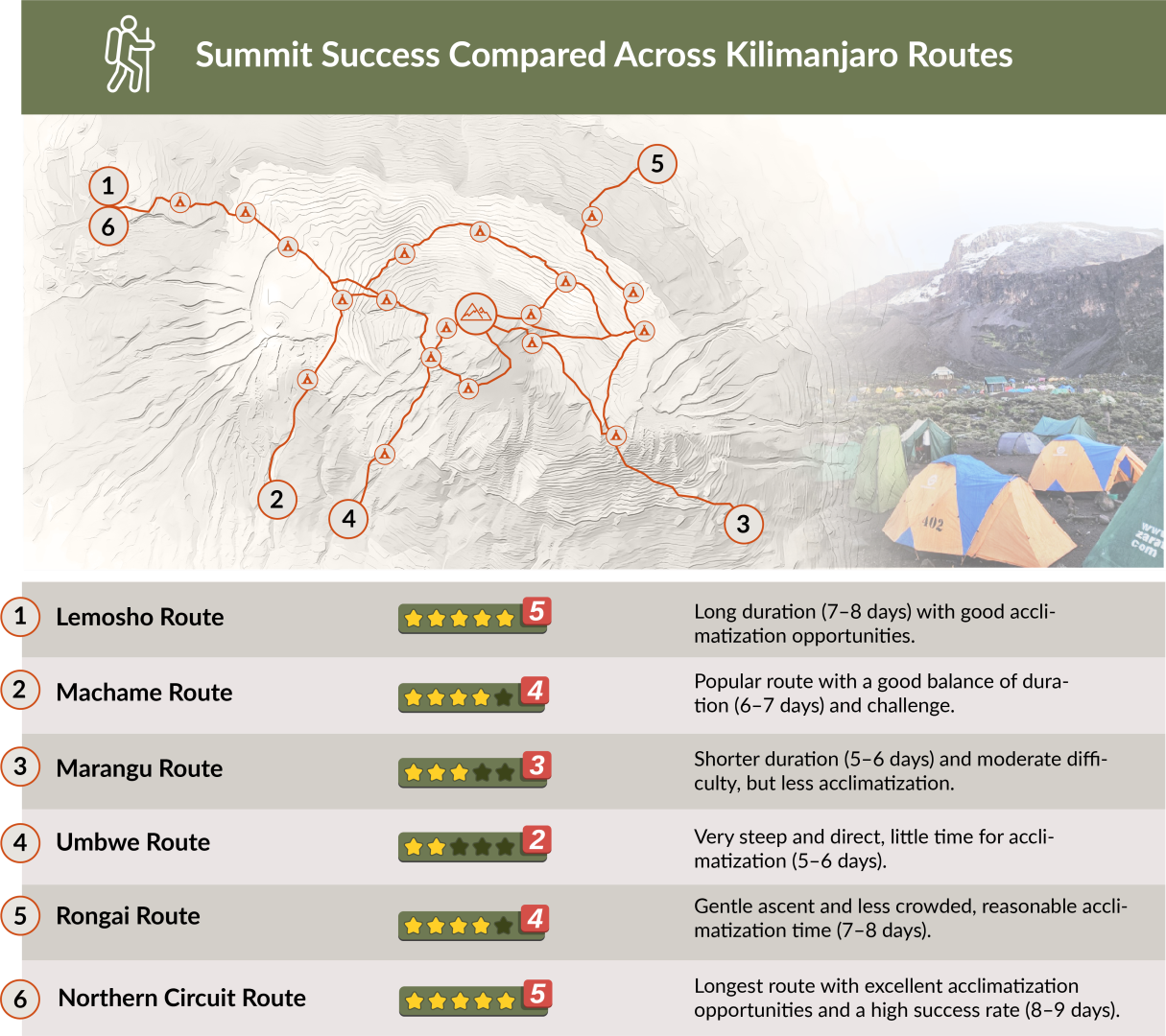
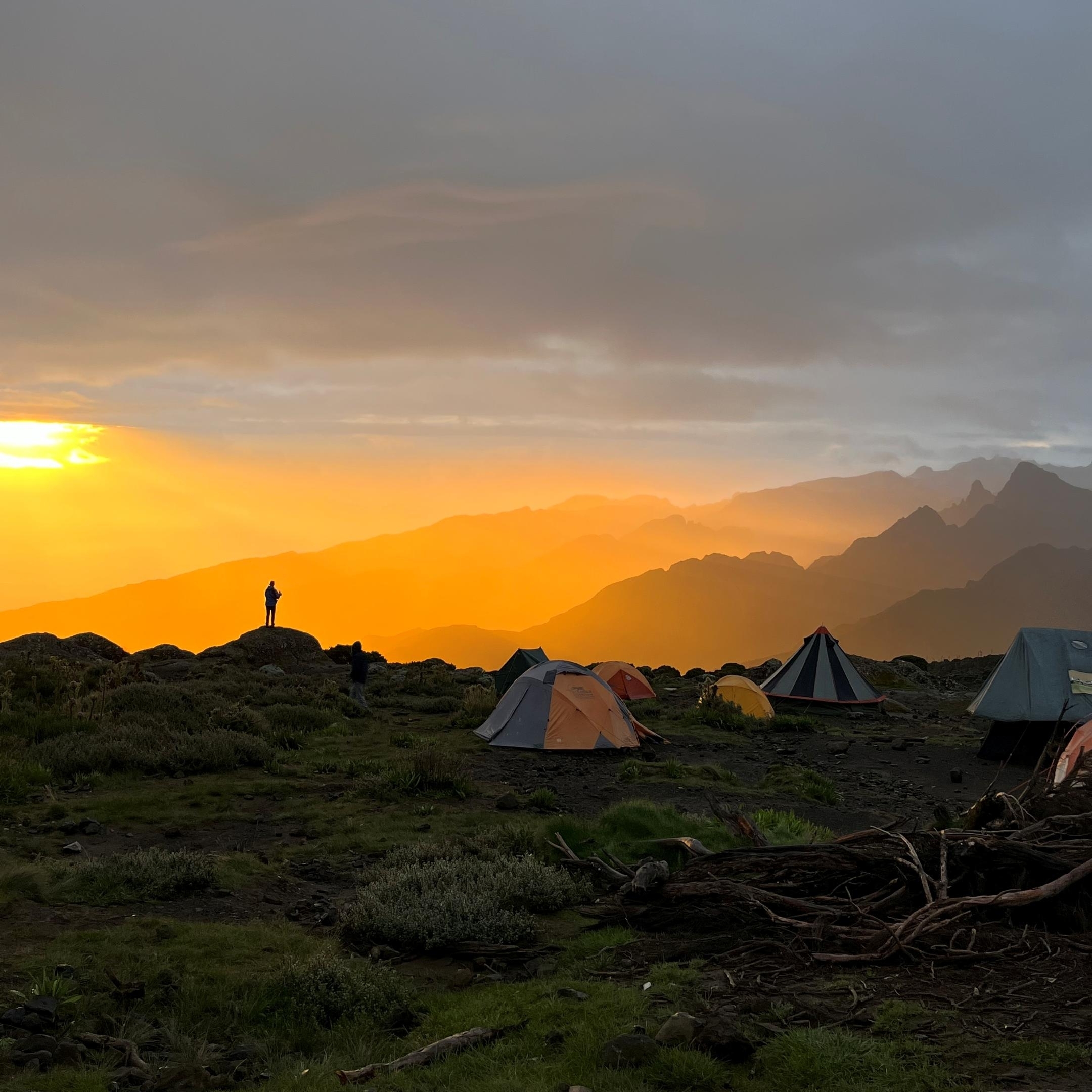
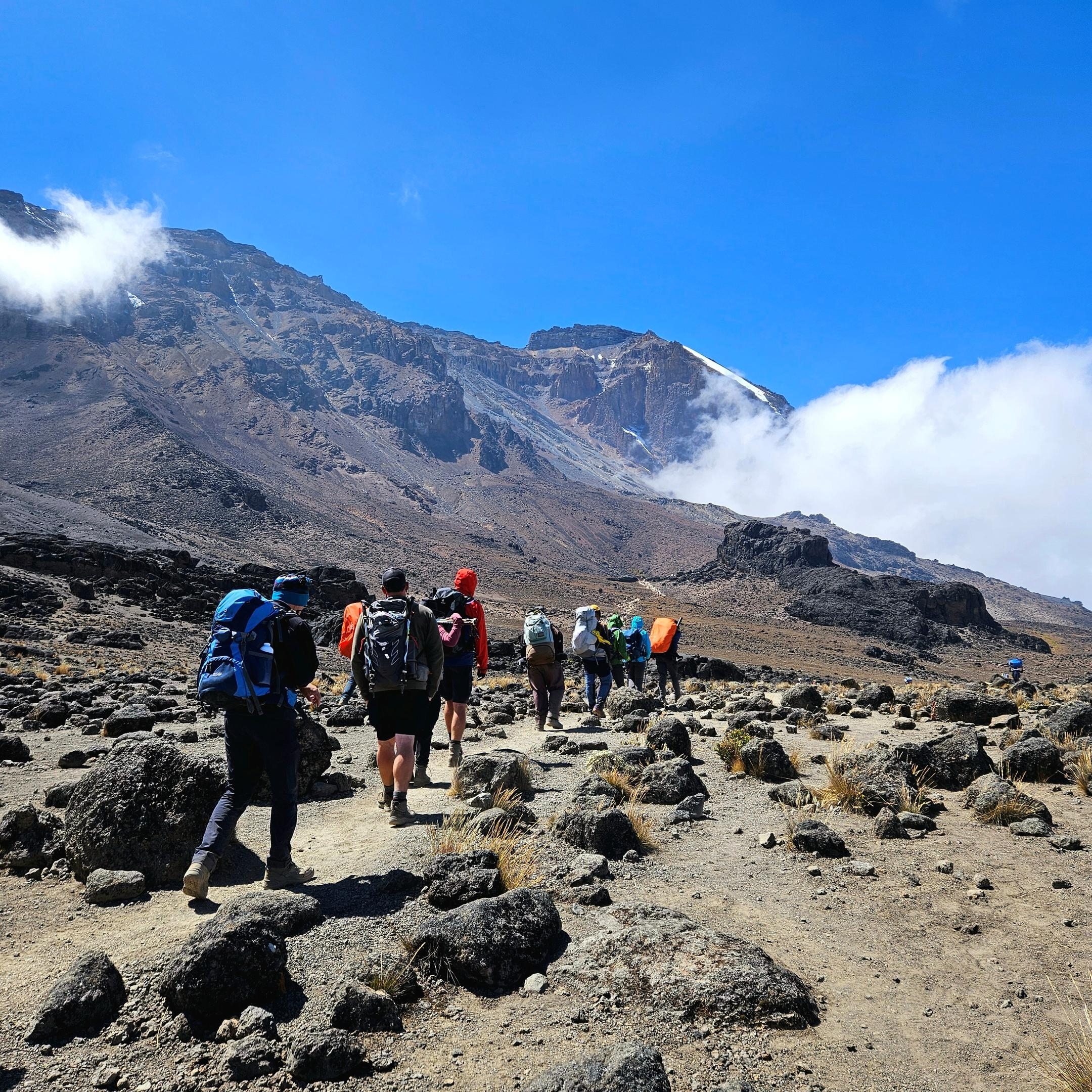
The Lemosho Route is a longer but less frequented route that takes 7-8 days. It starts on the western side of the mountain, offering excellent acclimatization and great viewpoints. The route is particularly charming and often the choice for nature lovers and photographers.
The Machame Route is challenging but offers more spectacular views and more time for acclimatization. It takes 6–7 days and traverses diverse landscapes, from dense rainforests to alpine deserts. This route is considered one of the most scenic and is therefore very popular.
The Marangu Route, also known as the "Coca-Cola Route," is the only route with hut accommodations, making it popular among beginners. It is relatively direct and takes 5–6 days, but has a lower success rate due to insufficient acclimatization. The landscape is less diverse compared to other routes.
The Umbwe Route is the shortest and steepest route, considered the most difficult. It takes 5–7 days and does not offer gradual acclimatization, making it suitable only for experienced climbers. The route stands out for its direct but very strenuous path.
The Rongai Route is the only route that starts from the northern side of Kilimanjaro, near the Kenyan border. It is quieter and offers drier weather, ideal during the rainy season. The route is less steep and takes 6-7 days, but has slightly less scenic diversity.
The Northern Circuit Route is the longest route on Mount Kilimanjaro and follows the mountain’s quiet northern slopes. Lasting 8–9 days, it offers excellent acclimatization and high summit success rates. The route is known for its varied scenery, low traffic, and impressive views.
As a European operator with high-quality standards, your safety on the mountain is our top priority.
Our expeditions follow clear safety protocols, and our guides are certified and highly experienced in high-altitude trekking, so you can fully focus on your adventure.
Your health comes first.
Our teams carry comprehensive medical equipment – including oxygen, first aid supplies, and monitoring devices (e.g. pulse oximeters) – to respond quickly and professionally in case of emergencies.
On Kilimanjaro, your team makes all the difference.
We work exclusively with well-coordinated local crews who know the mountain inside out – from choosing the right route to managing acclimatization and assessing your daily condition.
Climbing Kilimanjaro is not a one-size-fits-all experience.
We provide personal guidance on route selection, duration, acclimatization, and preparation – all tailored to your fitness level, experience, and goals.
Our routes and itineraries are designed to give you the best possible chance of reaching the summit.
We focus on gradual acclimatization, well-paced stages, and sufficient recovery time.
From your initial inquiry to packing lists and training advice, all the way to on-mountain support:
We guide you through every step of your Kilimanjaro journey and are always available to assist you.
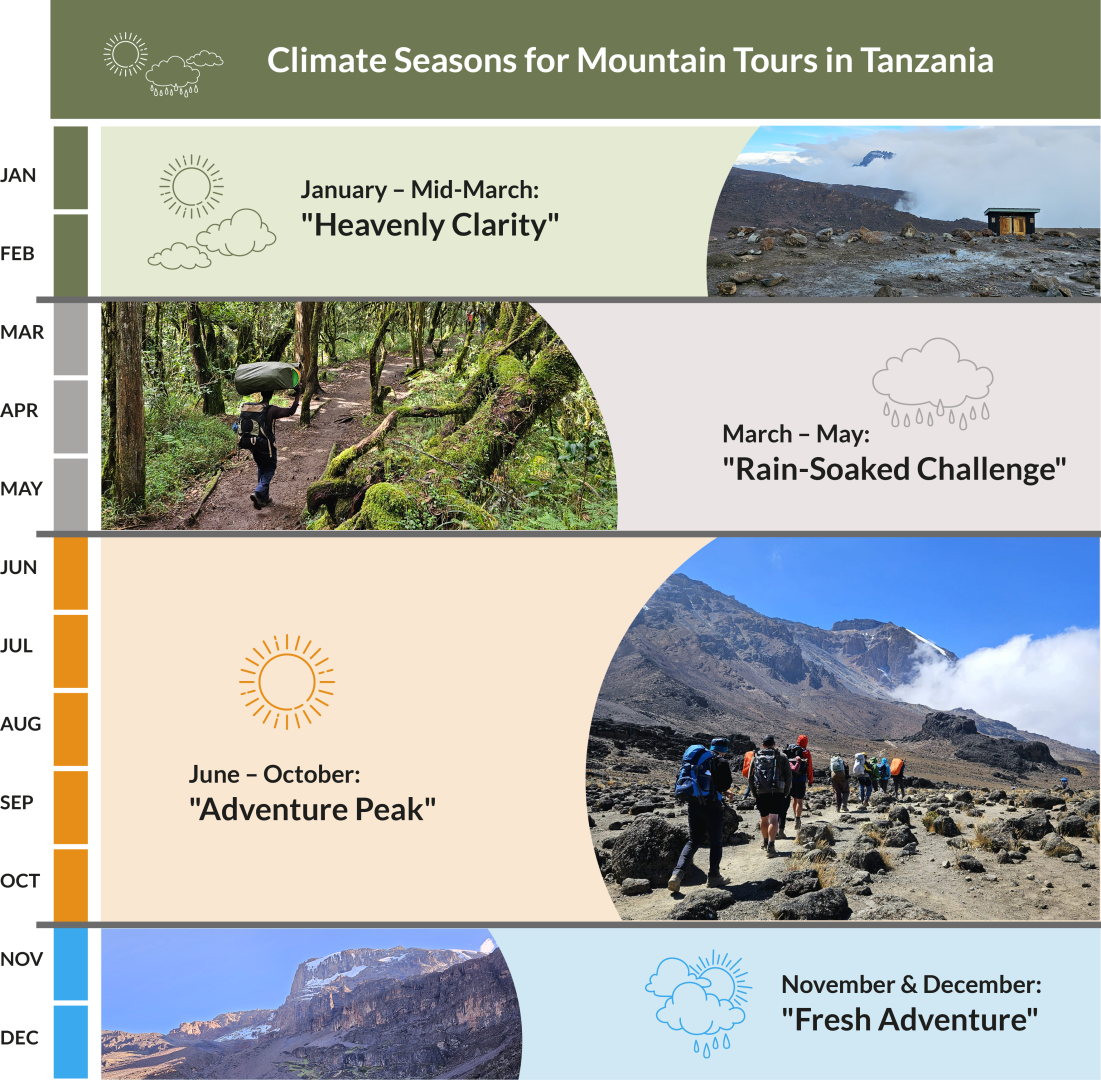
This season offers mild temperatures and calm conditions for an unforgettable Kilimanjaro ascent. Clear skies and fewer tourists make this time ideal for adventurers seeking an exclusive experience.
Possible downside: Nights at the summit can be particularly cold, and occasional precipitation is possible.
The long rainy season transforms Kilimanjaro's slopes into lush green landscapes. Although conditions are more challenging, this time entices with deserted routes and an adventure for true outdoor enthusiasts.
Possible downside: Slippery and muddy trails require good physical fitness and appropriate equipment. Clouds may obstruct the views.
The most popular time for Kilimanjaro ascents: Dry weather and stable conditions create perfect circumstances for summit seekers. Experience the impressive biodiversity this region offers as you step closer to the roof of Africa, step by step.
Possible downside: Due to high demand, routes are more crowded, resulting in less privacy. Early planning is necessary.
The short rainy season brings refreshing showers and exceptional tranquility to the mountain. For experienced hikers seeking a unique and peaceful experience, this season is a hidden gem.
Yes, you need a tourist visa for entry, which currently costs 50 USD. Your passport must be valid for at least six months from the date of entry. The visa can be applied for online through the official government website or issued directly on arrival at the airport.
The official currency in Tanzania is the Tanzanian Shilling (TZS). For everyday expenses like restaurants, local markets, or small shops, Tanzanian Shillings are usually used for payment.
In tourist areas, hotels, and with safari providers, US dollars and euros are often accepted.
Money can be easily withdrawn in larger cities and at many ATMs, usually in Tanzanian Shillings. International credit cards like Visa or Mastercard are accepted at many ATMs.
Yes, we strongly recommend purchasing travel insurance for your trip to Tanzania.
Whether you are planning a safari, a beach holiday in Zanzibar, or a Kilimanjaro climb, unexpected events can happen while traveling. These may include illness, injuries, trip cancellations, travel interruptions, flight delays, or lost luggage. A suitable travel insurance policy can protect you from significant unexpected expenses and ensure that you receive assistance when you need it most.
That is why we partner with Europäische Reiseversicherung (European Travel Insurance). Through our partner link, you can conveniently purchase the travel insurance coverage that best suits your needs.
Depending on the level of protection you require, you can choose from three insurance options:
Cancellation Protection (StornoSchutz)
Provides coverage for cancellation fees if you are unexpectedly unable to start your trip.
Travel Protection (ReiseSchutz)
Covers you during your journey, including protection for medical emergencies, trip interruptions, and luggage-related issues.
Complete Protection (KomplettSchutz)
The most comprehensive option, combining trip cancellation, trip interruption, travel medical, and luggage insurance. It also includes benefits such as search and rescue coverage of up to €80,000 and extensive medical assistance abroad.
👉 Purchase your travel insurance here: >Europäische Reiseversicherung<
Before traveling to Tanzania, we recommend scheduling an appointment with a travel medicine specialist at least 8 weeks in advance. There, you will receive personalized advice on necessary or recommended vaccinations as well as important health precautions for your trip.
Since Tanzania is a malaria-risk area, malaria prophylaxis is often recommended. The travel medicine specialist can also advise you on suitable vaccinations and assess whether your existing vaccinations are sufficient or if boosters are advisable.
In many parts of the country, dressing is relaxed, but Zanzibar is influenced by Islam. Outside of the beaches, shoulders and knees should be covered; short shorts or crop tops are inappropriate in public spaces.
Yes! Many of our guests have never climbed a high mountain before. You do not need any technical climbing experience. What matters much more is a good basic fitness level, determination, and the right mindset. The biggest challenge is usually not the hiking itself, but the altitude of 5,895 meters (19,341 ft).
At the start of the trek, daytime temperatures can still be above 20 °C (68 °F), while summit temperatures often drop to around -15 °C (5 °F) or even lower. Many people underestimate the cold during summit night in particular. That is why proper layered clothing is extremely important: thermal base layers, a down jacket, waterproof rain gear, warm gloves, and waterproof trekking boots are essential.
No. You only carry your daypack with water, snacks, and personal items. Your main luggage is transported by the porters. Usually, up to 15 kg (33 lbs) per person is included. This allows you to fully focus on the hike and the altitude.
Every Kilimanjaro trek is supported by a large mountain crew. Depending on the group size, your team may include guides, assistant guides, cooks, and several porters. Often there are around 3–4 crew members per guest. While you are hiking, the crew takes care of the tents, meals, water, and camp setup.
Climbing Kilimanjaro is generally considered safe when you are accompanied by experienced guides and allow enough time for acclimatization. The pace on the mountain is intentionally slow (“Pole Pole”) so your body can gradually adapt to the altitude. Our guides regularly monitor your health condition and respond immediately if any symptoms of altitude sickness occur.
Tipping is an important part of the tour and is usually distributed collectively among the crew at the end of the trek. As a general guideline:
- Guide: 20–25 USD per day
- Assistant Guide: 15–20 USD per day
- Cook: 12–15 USD per day
- Porter: 8–10 USD per day
We will of course explain the tipping system transparently on site, with no surprises.
Depending on the route, the climb usually takes between 5 and 9 days. In general, the more time you spend on the mountain, the better your body can acclimatize to the altitude. Shorter tours may be cheaper, but they often have significantly lower summit success rates.
Let’s plan your perfect climb together: Tailored to your pace, your goals, and your experience on the mountain.
Inquire now for free and without obligation and we will immediately start planning your Kilimanjaro expedition together!
Free consultationWe will be happy to send you an individual offer for your preferred trip.