A hidden gem of Tanzania
- Arusha
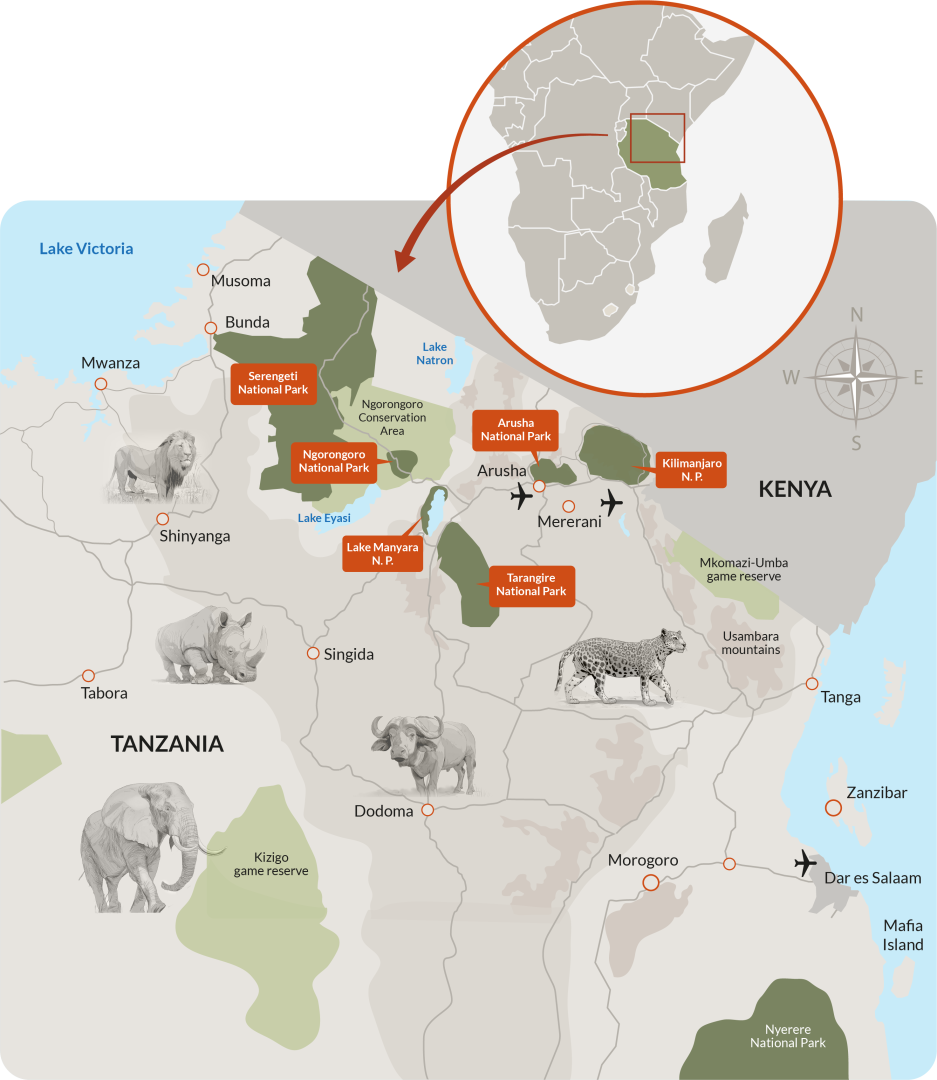
Arusha National Park is one of the most diverse and scenically beautiful protected areas in Tanzania. Covering an area of 137 km², it may be smaller than many other national parks, but it stands out for its exceptional variety of landscapes, ecosystems, and species of animals. The park is located at the foot of the majestic Mount Meru, the second-highest mountain in Tanzania, and is only about 25 km from the city of Arusha – a perfect starting point for any safari journey.
Impressions
Landscapes and Highlights
The park is characterized by an impressive variety of landscapes, ranging from tropical forests to lakes and open savannas. This diversity makes it a unique destination for nature lovers and photographers:
A chain of shallow lakes, particularly known for their flamingos. These waters also provide habitat for a variety of other water birds such as pelicans and herons.
Often referred to as the "Mini-Ngorongoro," this impressive crater is surrounded by dense rainforest. Visitors can observe elephants, buffaloes, and other wildlife from viewpoints along the crater rim.
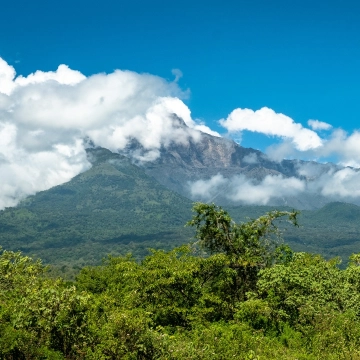
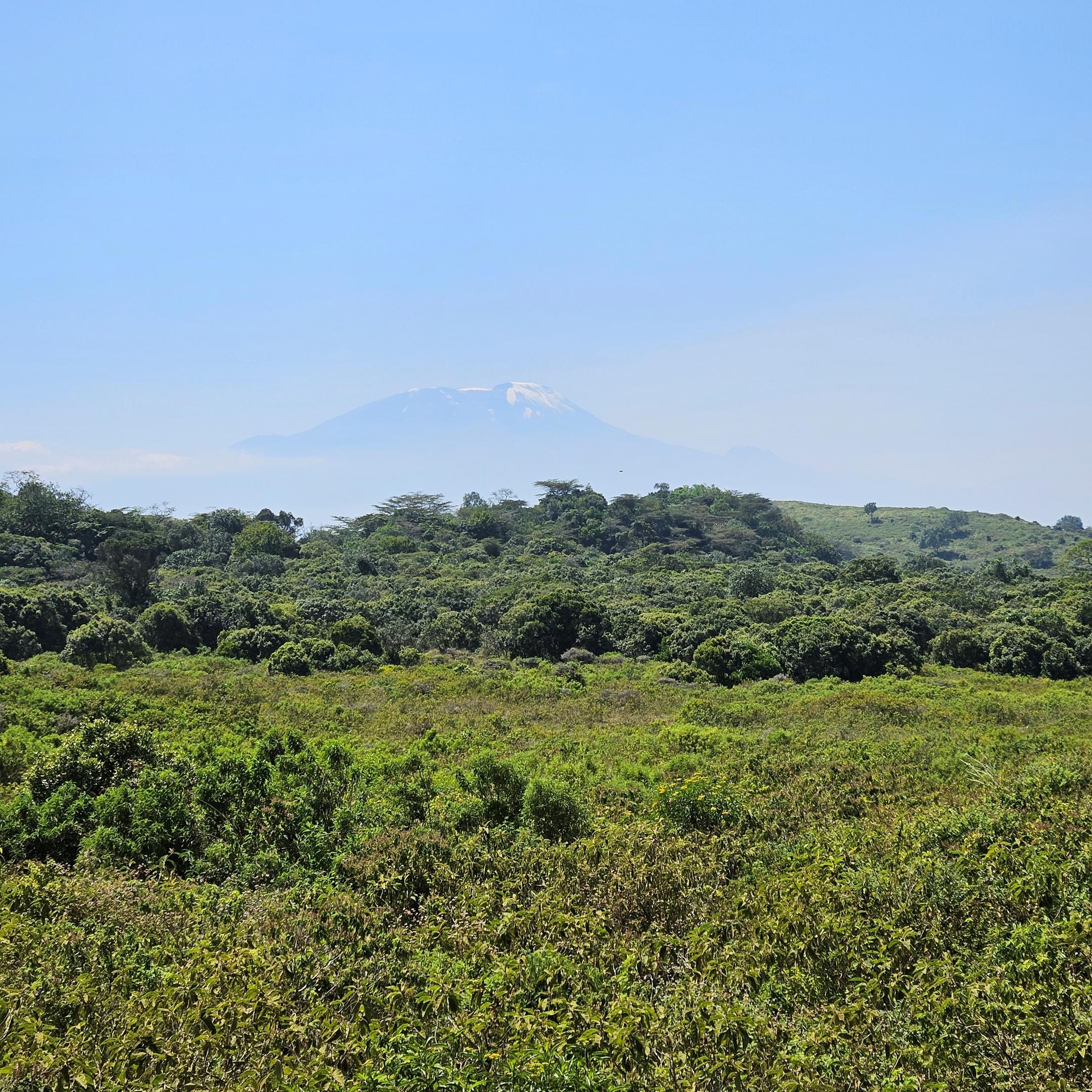
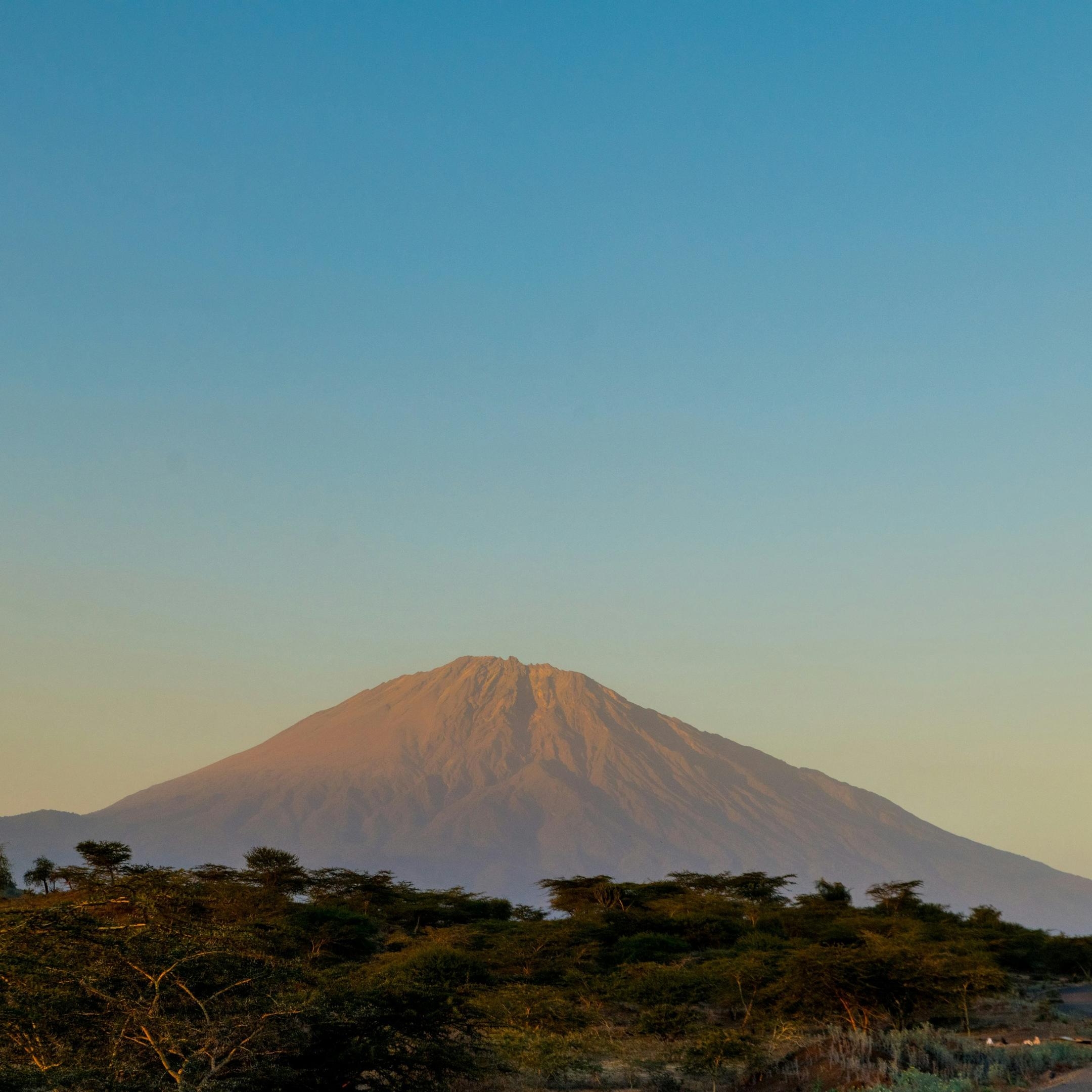
The imposing volcano is a central feature of the park and a popular destination for hikers and climbers. With a height of 4,566 meters, the summit offers breathtaking views of Mount Kilimanjaro and the surrounding landscape.
The park's forests are home to numerous animals, including colobus monkeys, bushbucks, and a variety of bird species. The lush vegetation makes the park particularly attractive for hikes and walks.
Wildlife
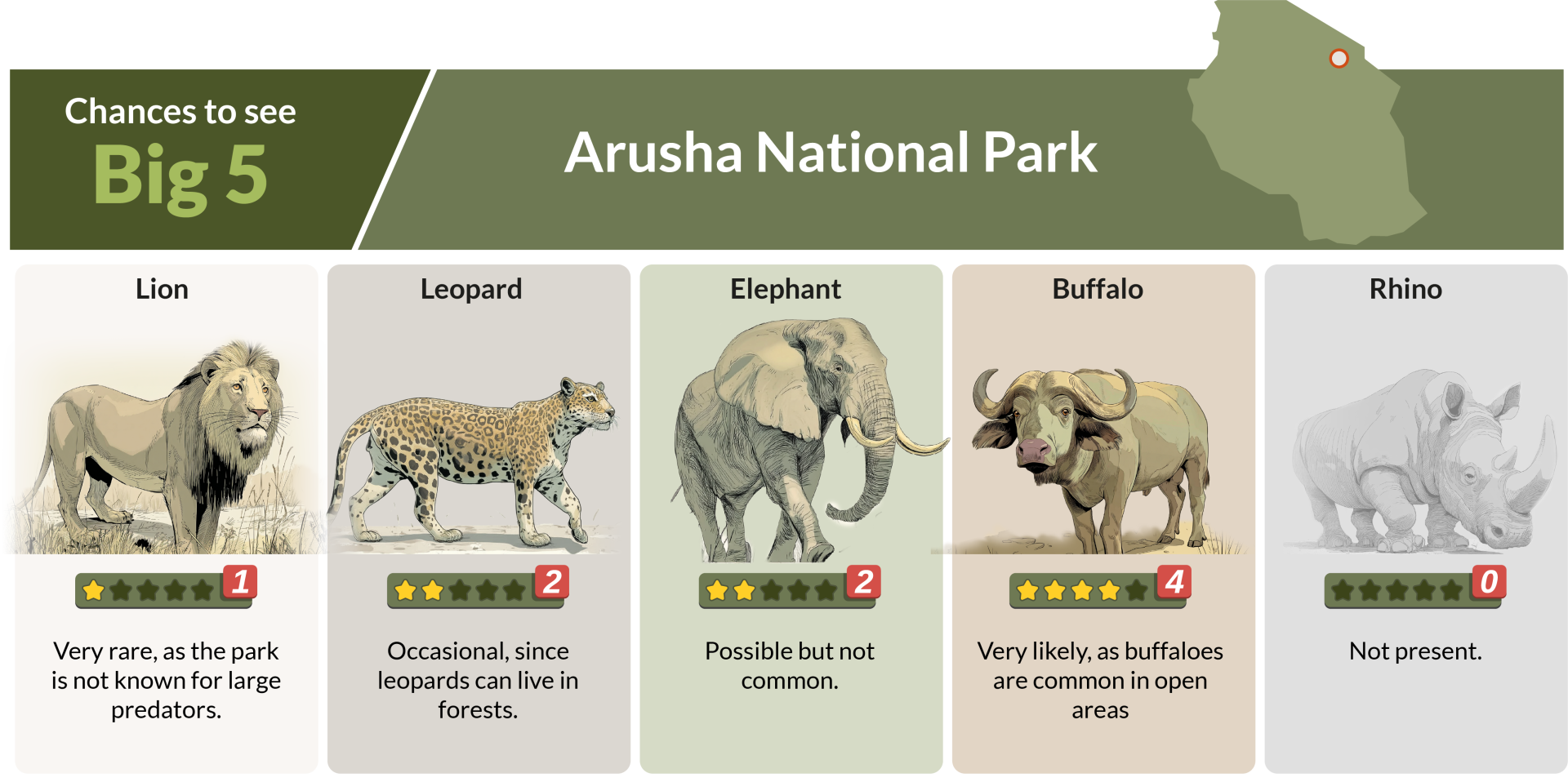
Although Arusha National Park is not known for the "Big Five," it still offers an impressive variety of animal species:
Black-and-white colobus monkeys, blue monkeys, and vervet monkeys are commonly seen.
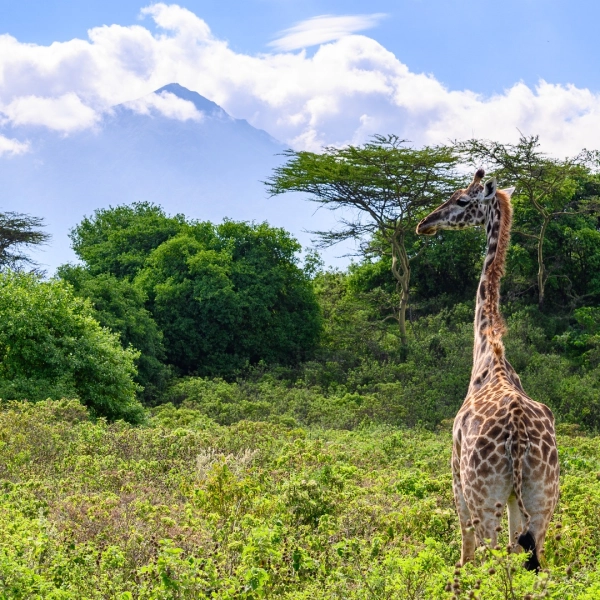
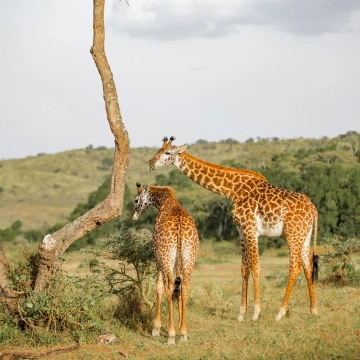
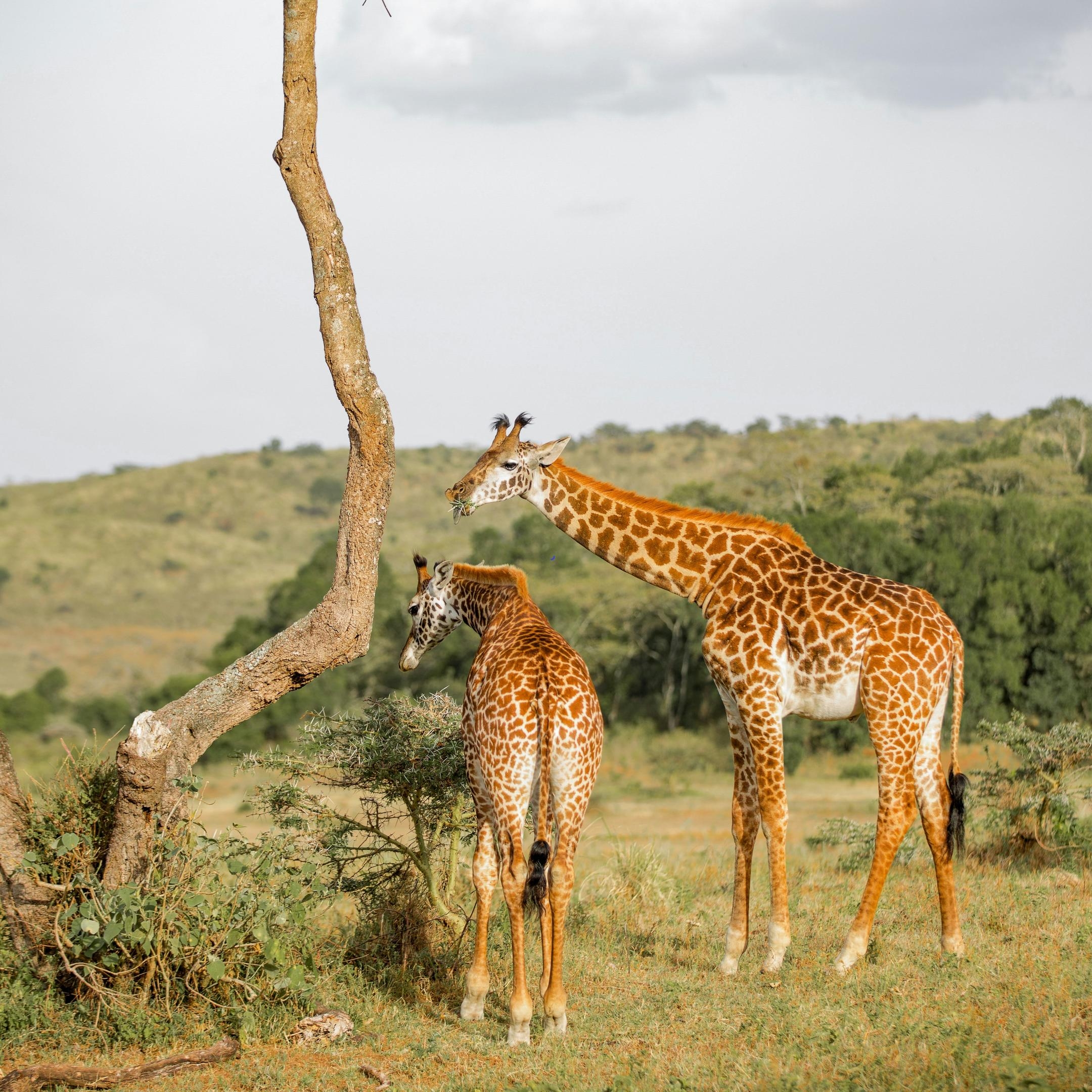
Giraffes, buffaloes, zebras, and warthogs are regularly encountered in the open plains. Occasionally, leopards can also be spotted.
With over 400 registered species, the park is a paradise for birdwatchers. In addition to flamingos, kingfishers, birds of prey, and turacos are among the highlights.
Best Time to Travel for Safaris
Tanzania offers unforgettable safari experiences throughout the year. Depending on the season, landscapes, climate, and wildlife viewing opportunities change.
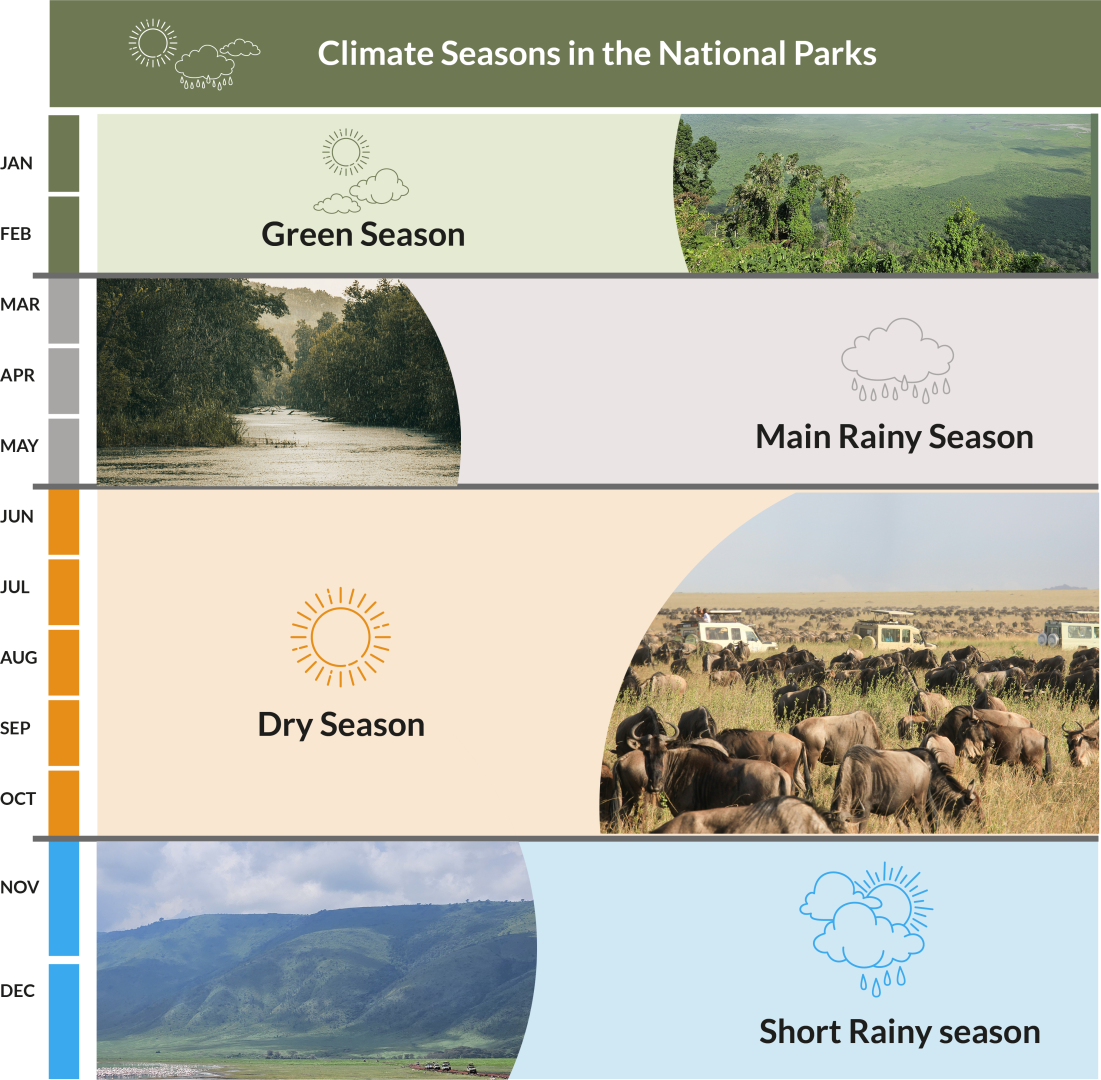
The dry season is considered the optimal time to visit:
Weather: Sunny days, pleasant temperatures between 20 and 30 °C. Nights cool down to 10 to 15 °C in higher regions like the Serengeti.
Highlights: Witness the spectacular "Great Migration" – huge herds of wildebeest and zebras move through the Serengeti. The Tarangire National Park and the Ngorongoro Crater also impress with high animal densities.
Vibrant Colors and Life The green season delights nature lovers and photographers:
Weather: Warm and pleasant, 25 to 32 °C during the day. Rainfalls are usually short and intense.
Highlights: The landscape shines in lush green. Perfect for birdwatchers as many migratory birds are present. You can also experience young animals in their natural habitat.
Despite heavier rainfall, Tanzania remains impressive:
Weather: Rainy, but the landscape blooms.
Highlights: Particularly picturesque with high animal concentrations at water sources.
The short rainy season combines the advantages of the dry season with fresh vegetation:
Weather: Pleasantly warm, temperatures between 25 and 30 °C. Rain showers are usually brief, often in the afternoon or evening, and hardly interrupt safaris.
Highlights: Nature awakens again, becoming greener, and wildlife remains highly visible. Less dust and fewer visitors make these months particularly attractive for travelers who prefer a quieter experience. Ideal for photographers looking to capture dramatic cloud formations and vibrant colors.
Whether you prefer the exciting animal migration in the dry season or the blooming nature in the rainy season – Tanzania is a paradise at any time of the year. We tailor your journey individually and ensure you have an unforgettable adventure.