The land of baobabs and elephants
- Tarangire National Park National Park
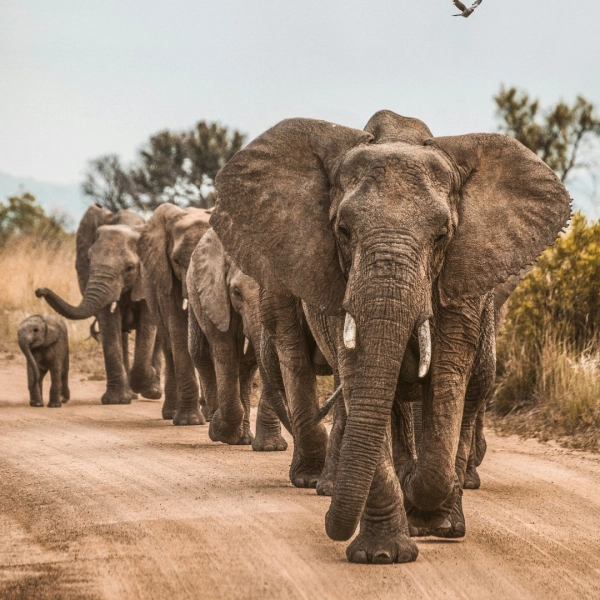
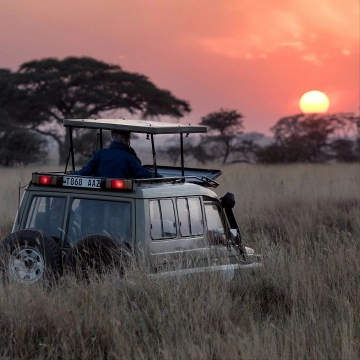
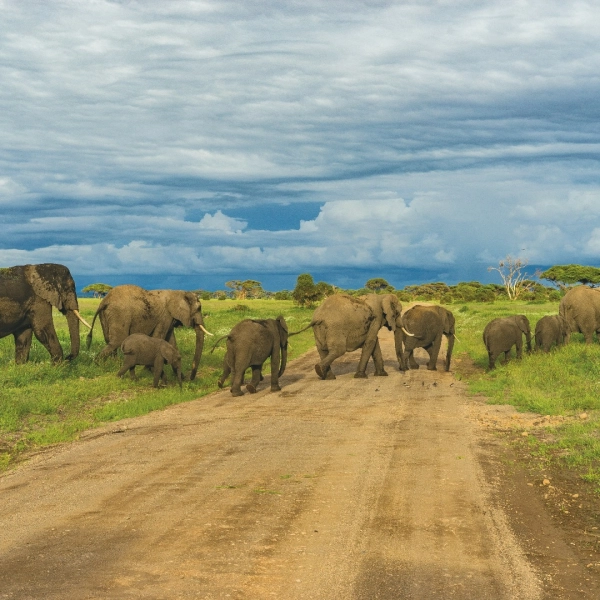
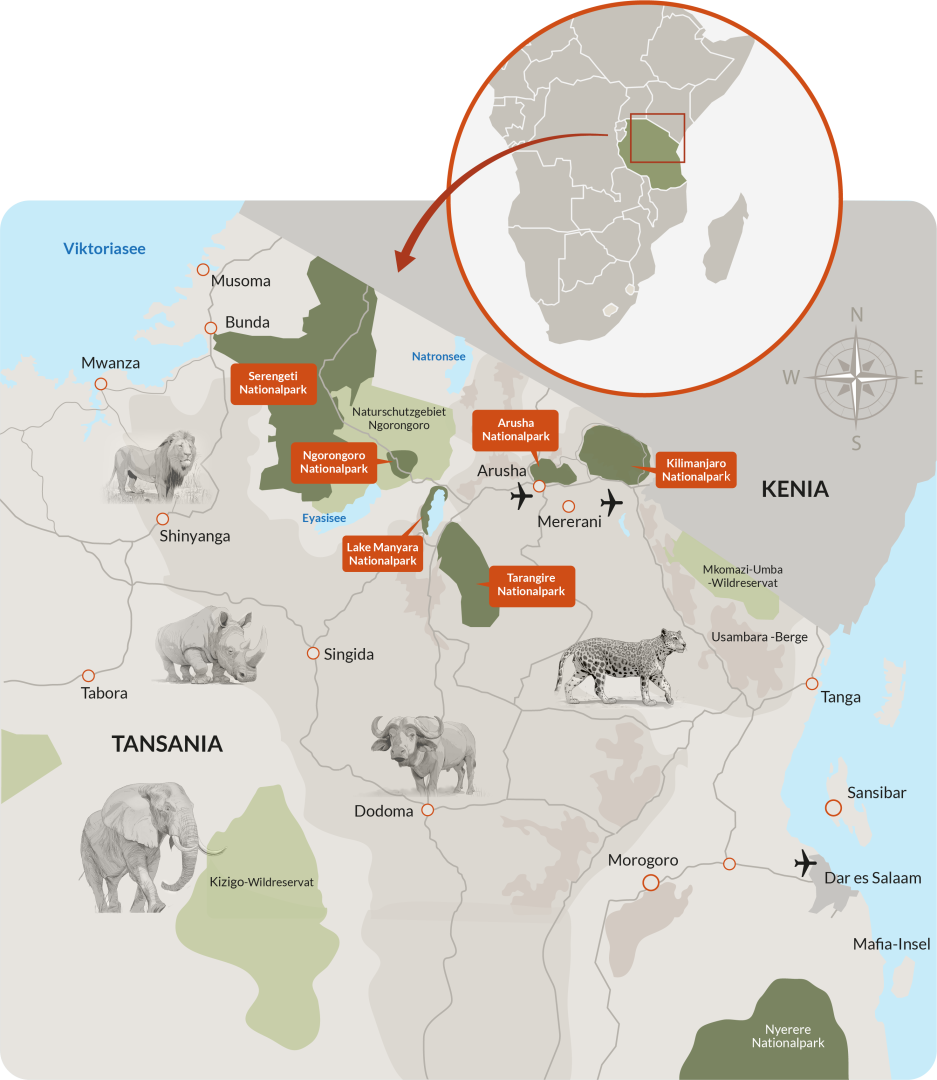
The Tarangire National Park, named after the Tarangire River, is one of Tanzania's best-kept secrets. Covering an area of about 2,850 km², the park is located in the northern part of the country and is particularly known for its majestic baobab trees and impressive herds of elephants. It is part of the Northern Circuit and an ideal stop on the way to the Serengeti or Ngorongoro Crater.
Impressions
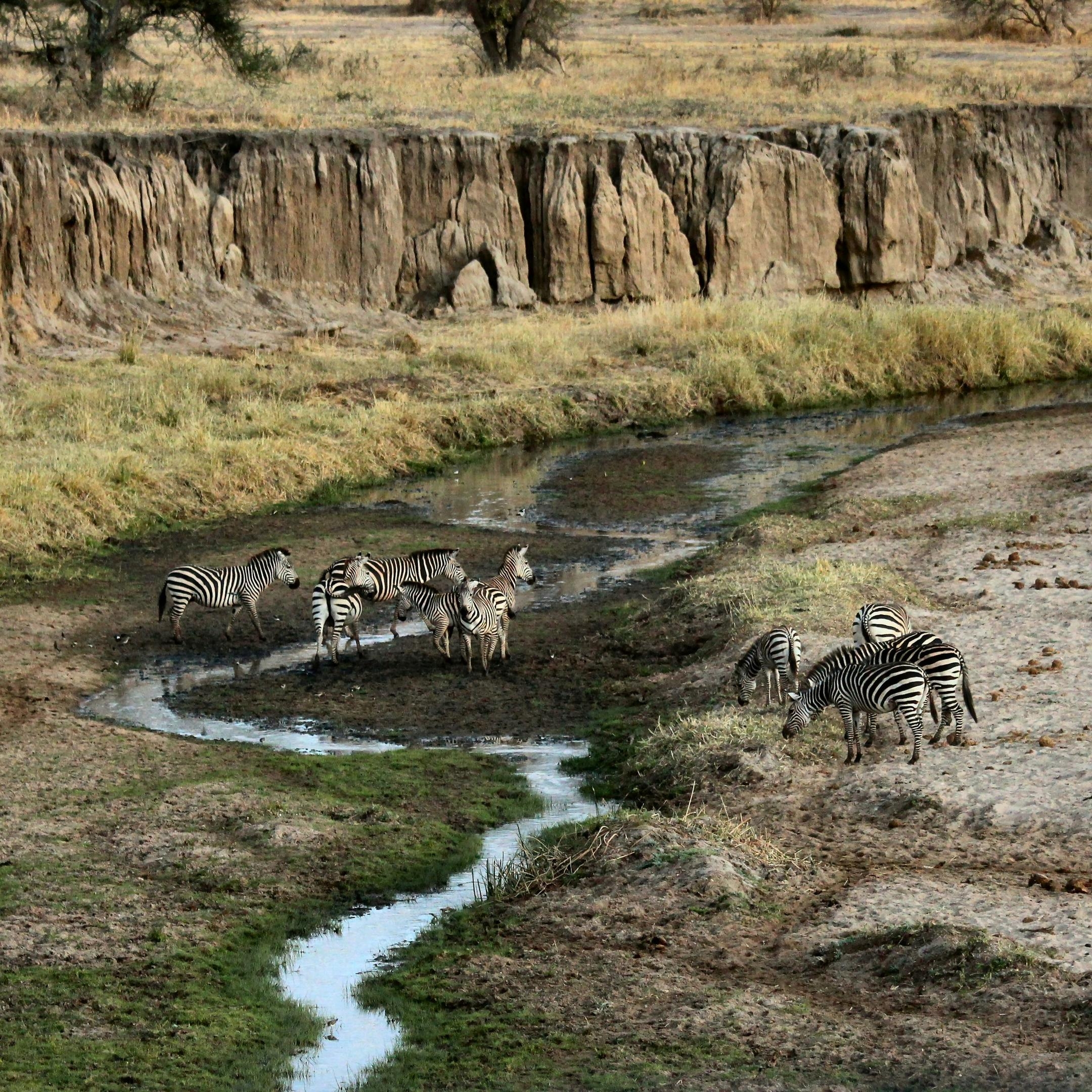
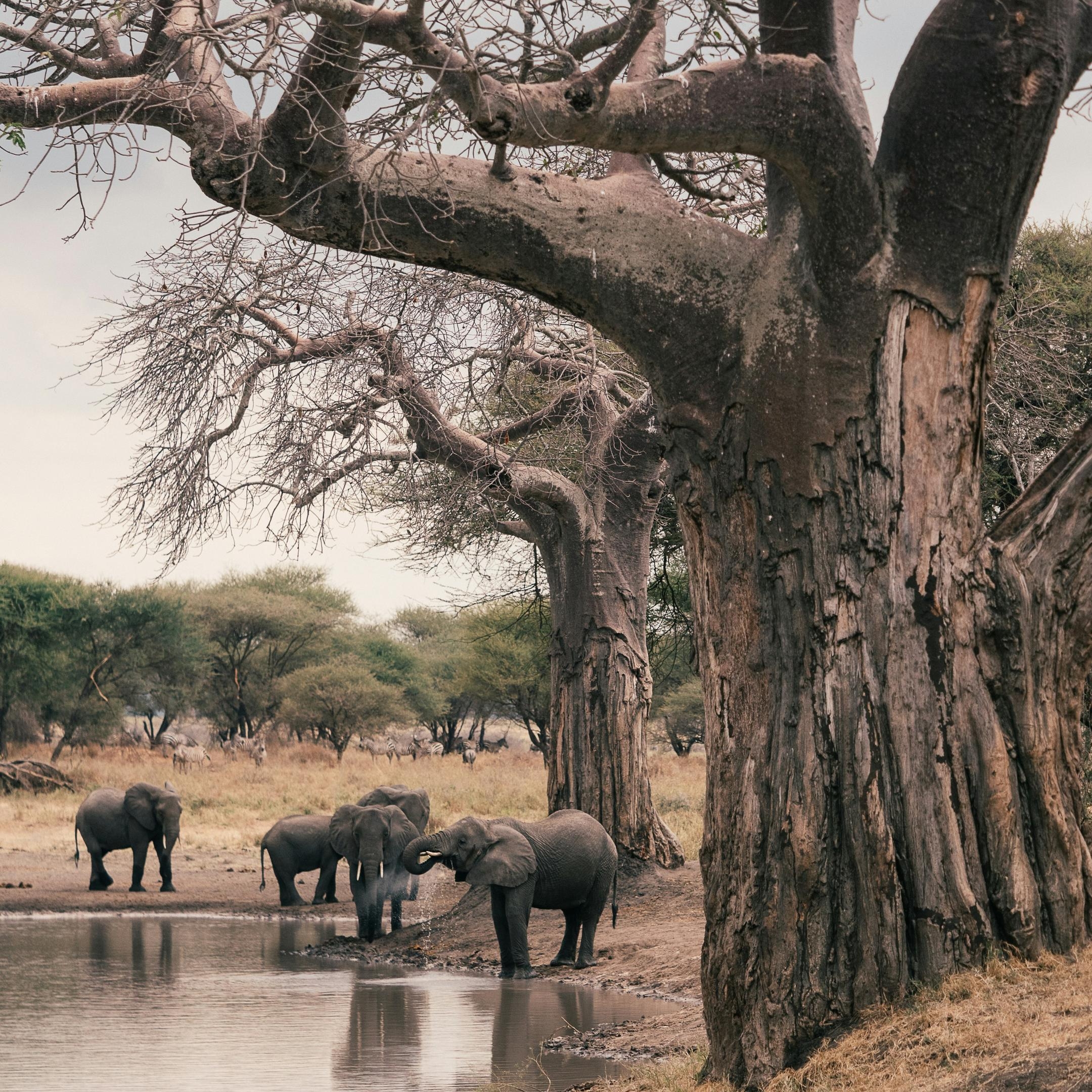
Landscapes and Highlights
The Tarangire National Park is characterized by a unique combination of landscapes that make it one of the most diverse and fascinating parks in Tanzania.
The huge, ancient baobab trees are one of the park's landmarks.
They not only provide a spectacular sight but also play
an important role in the park's ecosystem.
The year-round flowing river is the lifeblood of the park.
Especially in the dry season, it attracts numerous species of animals and is
a hotspot for wildlife viewing.
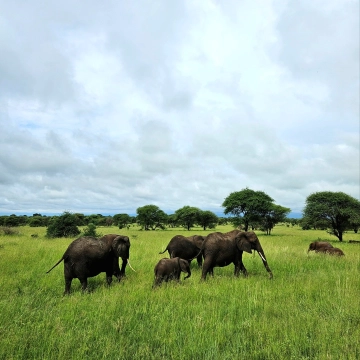
The open grasslands of the park are home to large herds of
zebras, wildebeests, and antelopes, often accompanied by predators like lions and
cheetahs.
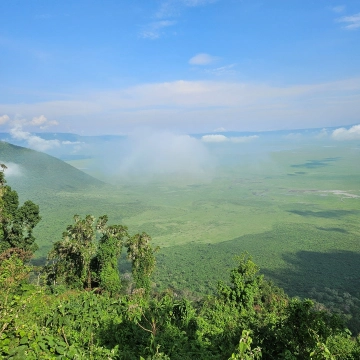
Gentle hills offer picturesque views of the park and create diverse sceneries.
In the southern part of the park, there are seasonal swamps that are popular among elephants, buffaloes, and birds.
Wildlife
The Tarangire National Park is a paradise for wildlife enthusiasts and offers one of the highest concentrations of animals outside the Serengeti. Some of the highlights include:
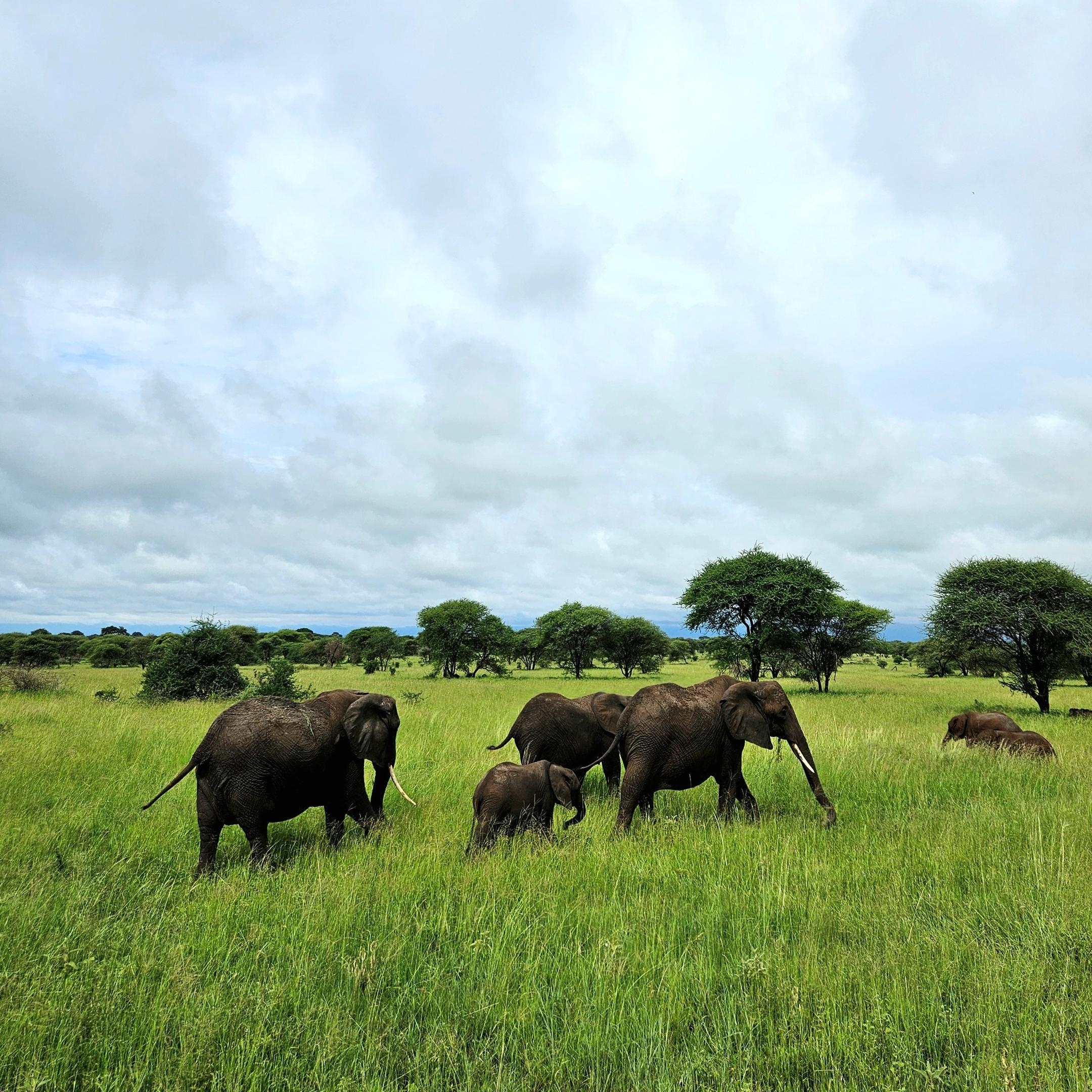
The park is known for its huge herds of elephants, which can be seen by the hundreds along the Tarangire River during the
dry season.
In addition to elephants, the park is home to giraffes, buffaloes, zebras, wildebeests, and
kudus. Rare species such as gerenuks (giraffe gazelles) and
oryx antelopes can also be spotted.
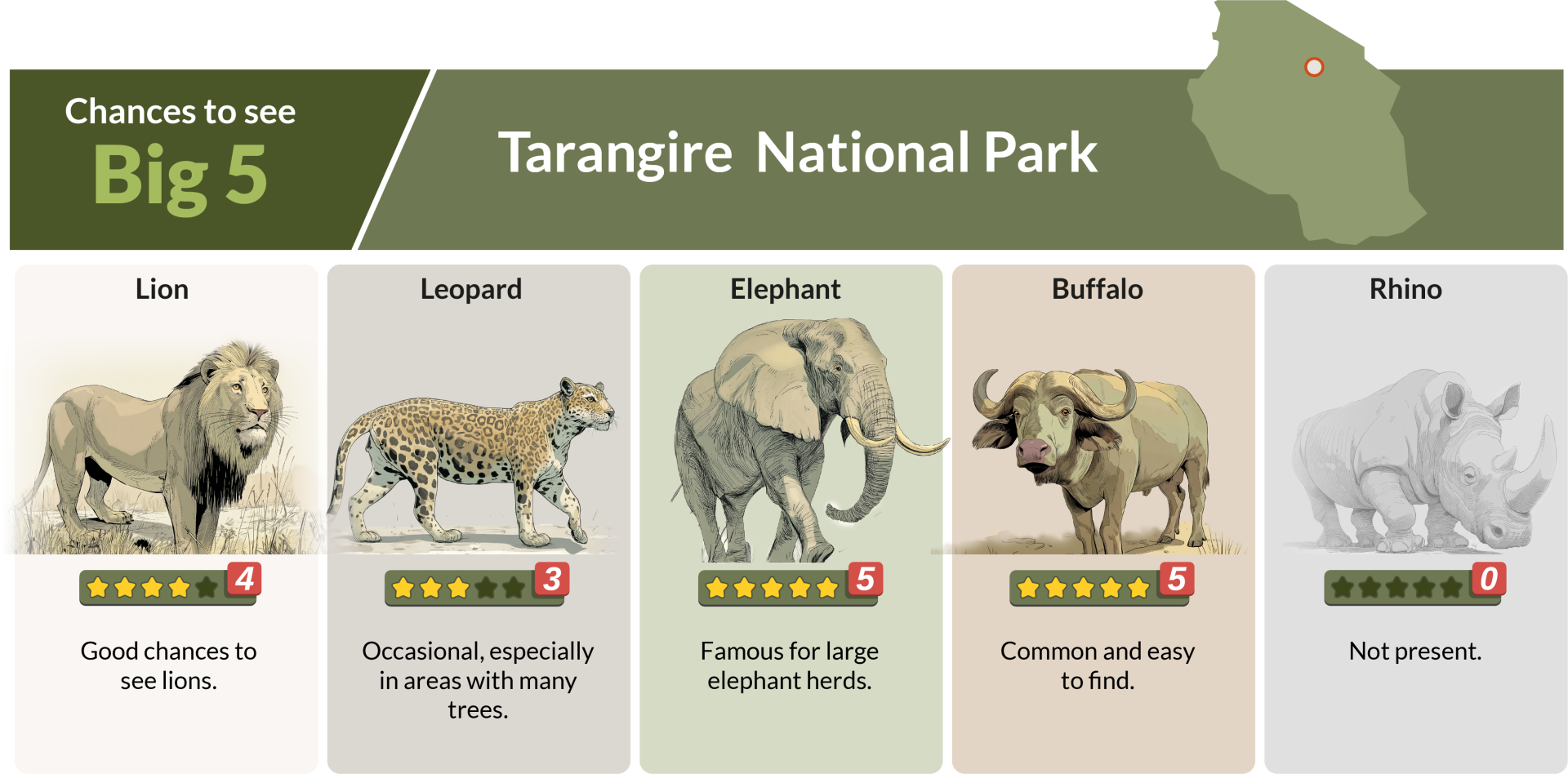
Lions, leopards, cheetahs, and hyenas are among the predators that are commonly found in the park.
With over 550 bird species, the Tarangire National Park is a paradise for
ornithologists. Notable species include the hornbill,
ostriches, weaver birds, and the impressive kori bustard, the largest
flying bird in Africa.
Best Time to Visit for Safaris
Tanzania offers unforgettable safari experiences throughout the year. Depending on the season, the landscapes, climate, and wildlife viewing opportunities vary.
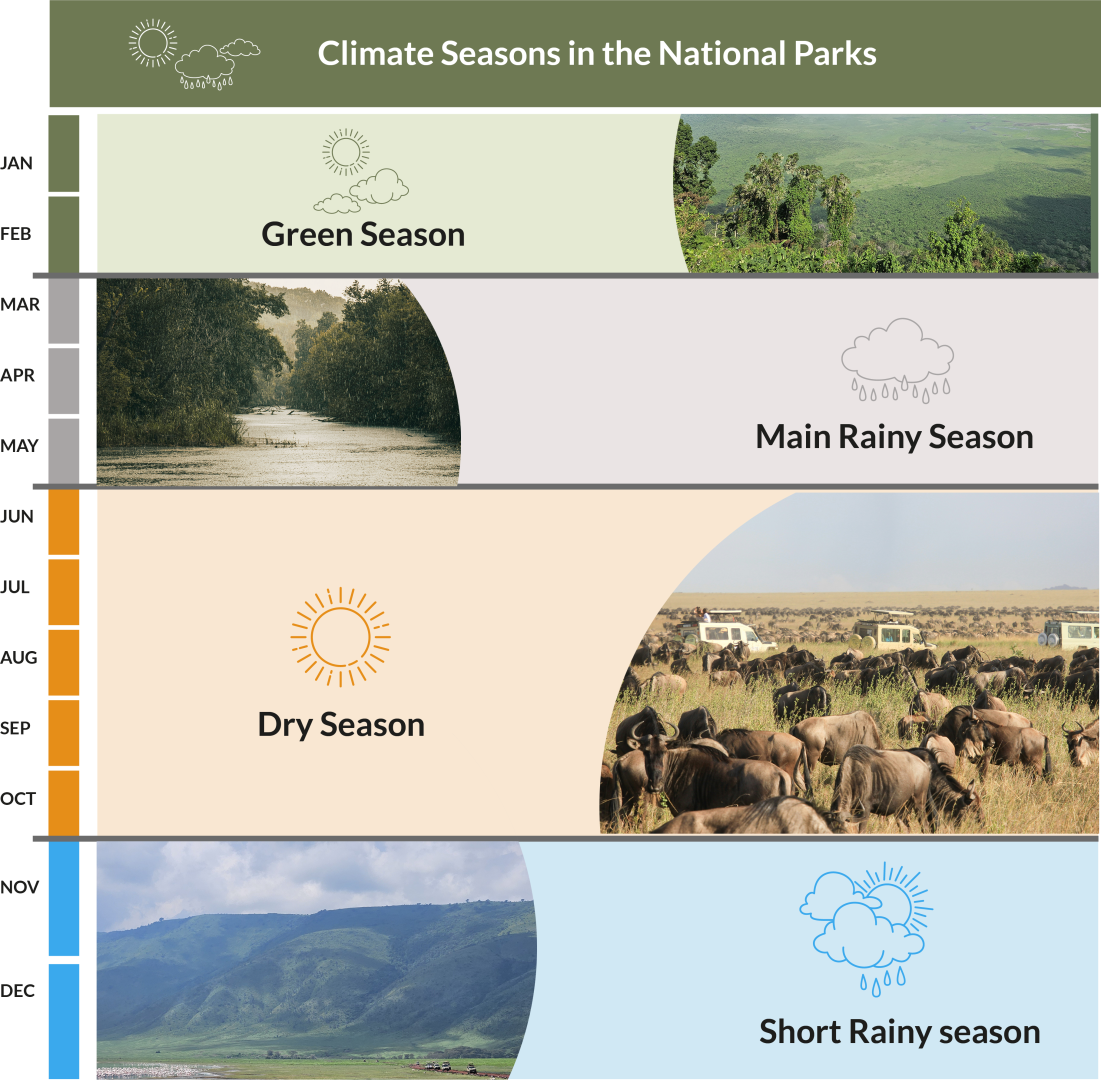
The dry season is considered the optimal time to visit:
Weather: Sunny days, pleasant temperatures between 20 and 30 °C. Nights cool down to 10 to 15 °C in higher regions like the Serengeti.
Highlights: Witness the spectacular "Great Migration" – huge herds of wildebeests and zebras migrate through the Serengeti. The Tarangire National Park and Ngorongoro Crater also impress with high animal densities.
The green season delights nature lovers and photographers:
Weather: Warm and pleasant, 25 to 32 °C during the day. Rainfall is usually short and intense.
Highlights: The landscape is lush green. Perfect for birdwatchers as many migratory birds are present. You can also experience young animals in their natural habitat.
Despite heavier rainfall, Tanzania remains impressive:
Weather: Rainy, but the landscape flourishes.
Highlights: Particularly picturesque with high animal concentrations at water sources. Popular areas like the Serengeti National Park remain accessible. Some roads and paths may be challenging to navigate, adding a sense of adventure to the journey.
The short rainy season combines the advantages of the dry season with fresh vegetation:
Weather: Pleasantly warm, temperatures between 25 and 30 °C. Rain showers are usually brief, often in the afternoon or evening, and do not significantly disrupt safaris.
Highlights: Nature comes alive again, becoming greener, and wildlife remains highly visible. Less dust and fewer visitors make these months particularly attractive for travelers seeking a quieter experience. Ideal for photographers capturing dramatic cloudscapes and vibrant colors.
Whether you prefer the exciting animal migration in the dry season or the blooming nature in the rainy season, Tanzania is a paradise all year round. We tailor your trip to your preferences, ensuring you have an unforgettable adventure.