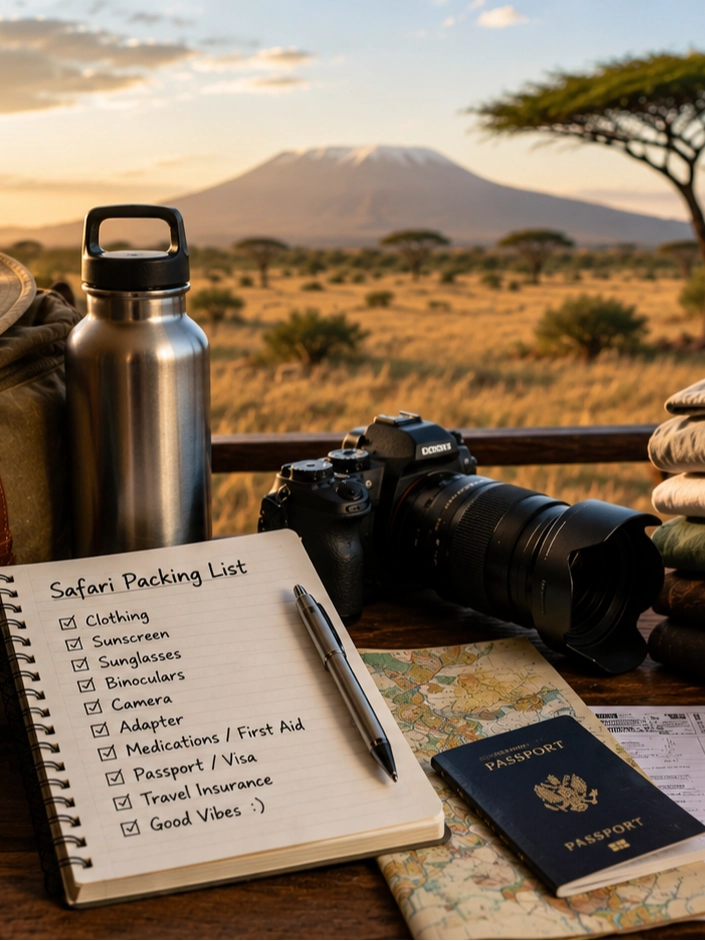
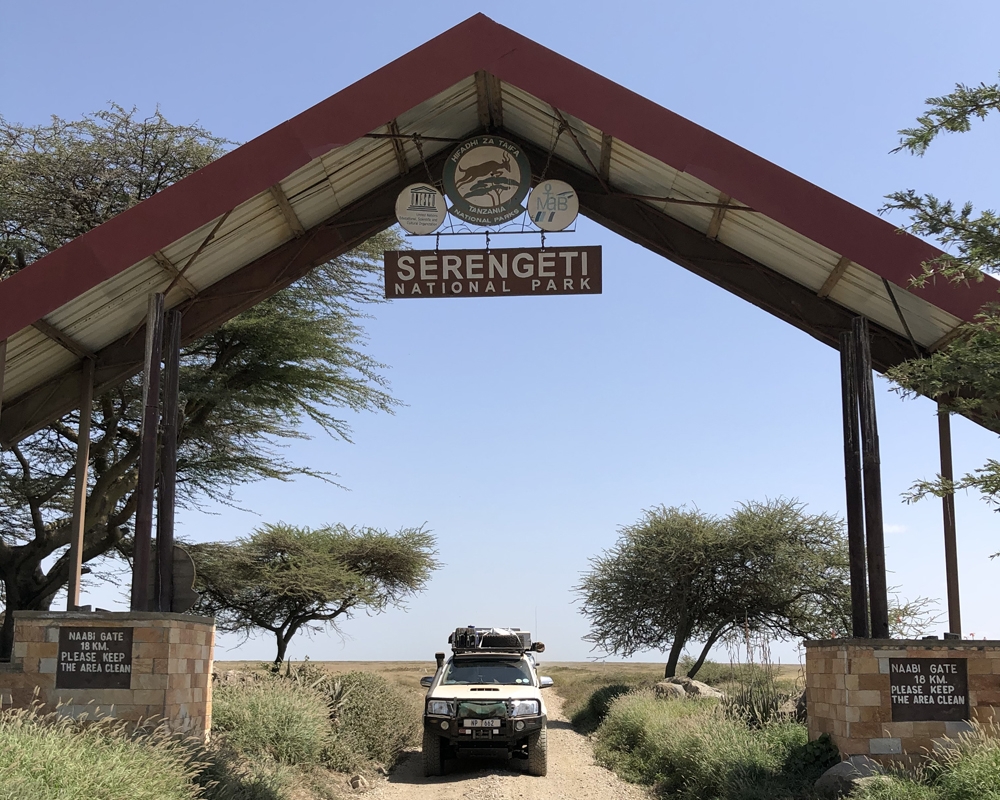
Planning a safari in the Serengeti, a Kilimanjaro climb or a few days on the Indian Ocean? Then there’s a new rule you should know about: from 1 October 2026, all foreign visitors must show proof of government-mandated travel insurance when entering Tanzania mainland. It sounds like red tape, but it’s done in no time. Here’s what the insurance costs, what it covers and how to get it in just a few minutes.
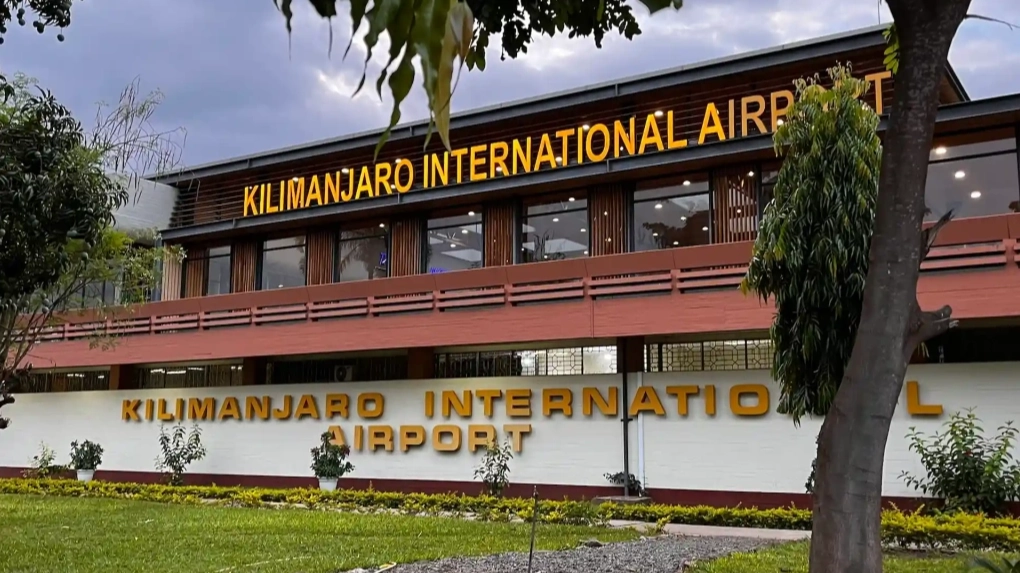
The rule is based on the new Inbound Travellers Insurance Regulations 2026, published by the Tanzanian government in the official gazette on 4 September 2026. It applies to all arrivals via airports, land borders and seaports – whether you touch down at Kilimanjaro International Airport or cross overland from Kenya.
The price is modest. The insurance costs USD 44 per person and is charged in Tanzanian shillings, around TZS 117,000.
Cover lasts up to 92 days. Multiple entries and exits are allowed within this period – ideal if you’re combining Tanzania with a safari in Kenya. It covers emergency medical treatment, medical evacuation, repatriation and lost luggage.
Your own travel insurance doesn’t replace it. You’ll need the mandatory policy even if you already have private cover. Still, keep your existing travel health and cancellation insurance: the government policy provides basic protection, not comprehensive travel cover.
Exemptions include travellers from partner states of the East African Community (EAC) and the Southern African Development Community (SADC). For guests from Austria, Germany and Switzerland, the insurance requirement applies therefore.
Tanzania is made up of the mainland and semi-autonomous Zanzibar. Each has its own mandatory insurance. Zanzibar has had a similar rule in place for some time. What matters is where you enter first.
Arriving on the mainland first? Then you need the policy from the National Insurance Corporation (NIC). It remains valid if you travel on to Zanzibar later – no second policy needed.
Heading to Zanzibar first? Then you take out the policy from the Zanzibar Insurance Corporation (ZIC). You won’t need an additional NIC policy for a side trip to the mainland afterwards.

[IMAGE: Smartphone showing the insurance certificate with Kilimanjaro in the background]
The easiest way is to sort it out from home a few days before you fly. On the official NIC portal at inbound.nicinsurance.co.tz, select “Apply for Insurance”, enter your passport details, travel dates and purpose of travel, and pay online by credit or debit card. You’ll then receive your digital insurance certificate – it’s best to save it on your phone and print a copy too.
You can also buy the insurance on arrival at the border. We recommend doing it in advance, though: after a long flight, you won’t want to join another queue – you’ll want to head straight into your adventure. Keep your certificate handy on arrival, as it may be checked along with your passport and visa.
A new rule, more red tape?
Not really – a few minutes online and it’s sorted.
The mandatory insurance is quick to arrange and gives you extra peace of mind on the ground. For everything else, we’re here for you: we plan your safari individually and step by step, with a well-coordinated team on the ground and the reassurance of an Austrian contact person by your side. Got questions about the new insurance requirement, or already dreaming of your trip to Tanzania? Get in touch – we’re happy to help.