In the last post, we explained how to easily get to Tanzania, from flight connections to entry at the airport. If you haven't read the first part yet, you can find it here:
👉 https://www.sunrise-expedition.net/blog/so-kommst-du-am-einfachsten-nach-tansania
Now it's time for the next important step: preparing for your first trip to Africa.
Because many first-time travelers have similar questions in advance: Do I need vaccinations? How does the visa work? Is Tanzania safe? What should I pack? How does it work with money, internet, or electricity?
The good news: With some preparation, your trip will be surprisingly uncomplicated. Many of our guests traveling to Africa for the first time quickly realize how relaxed and well-organized traveling in Tanzania actually is.
To ensure you are well-prepared, we have summarized the most important tips and experiences for your trip to Tanzania here.
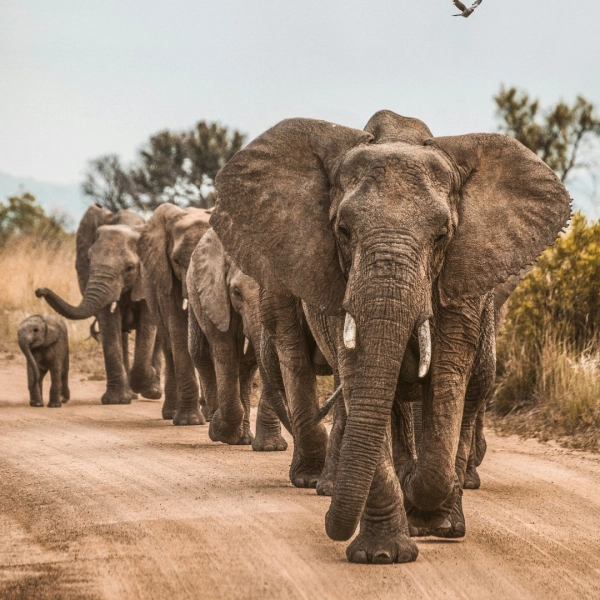
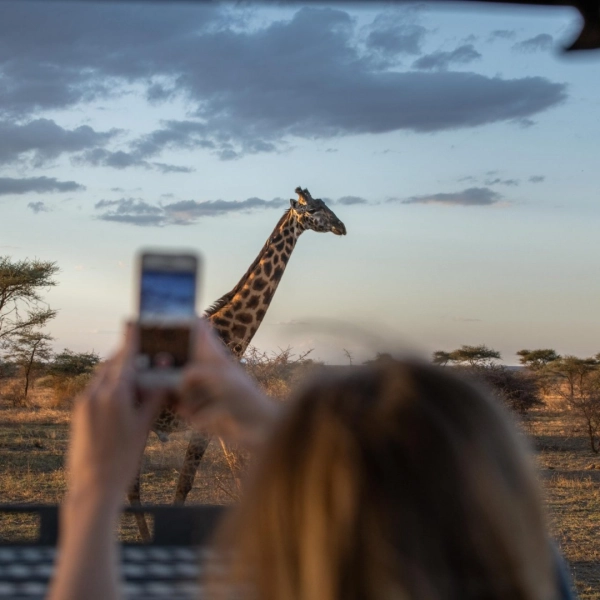
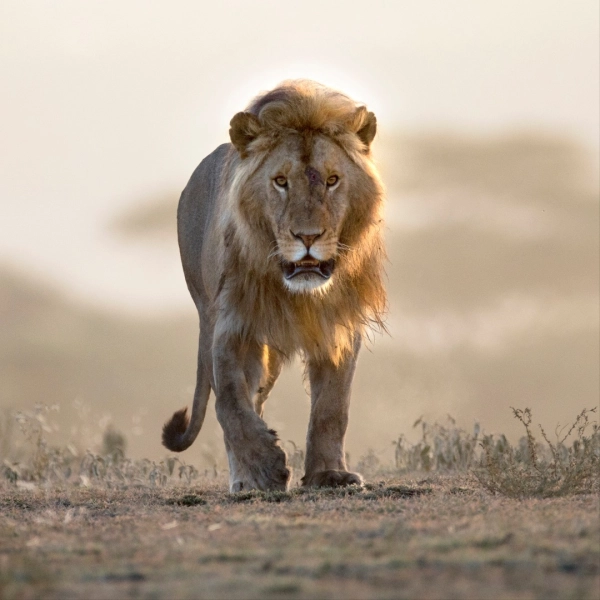
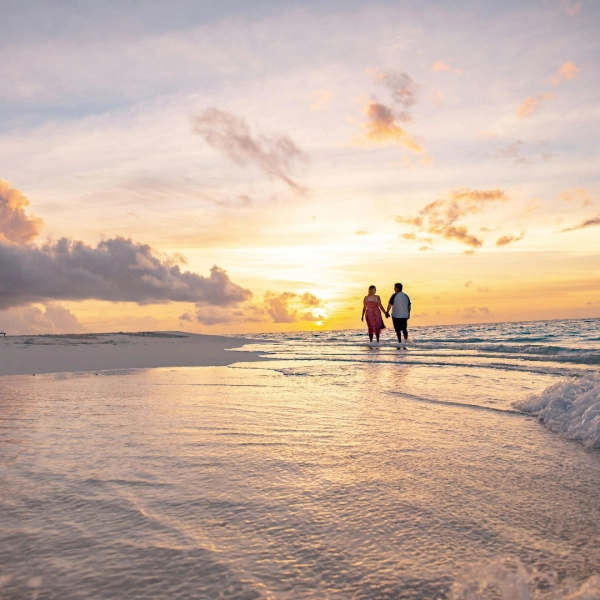
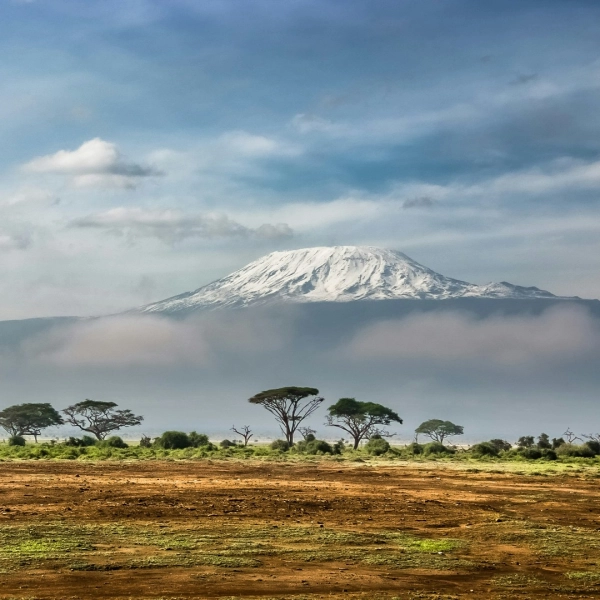
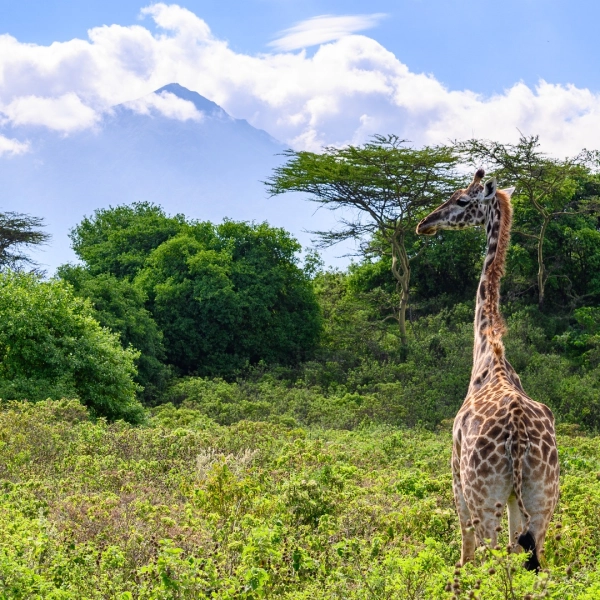
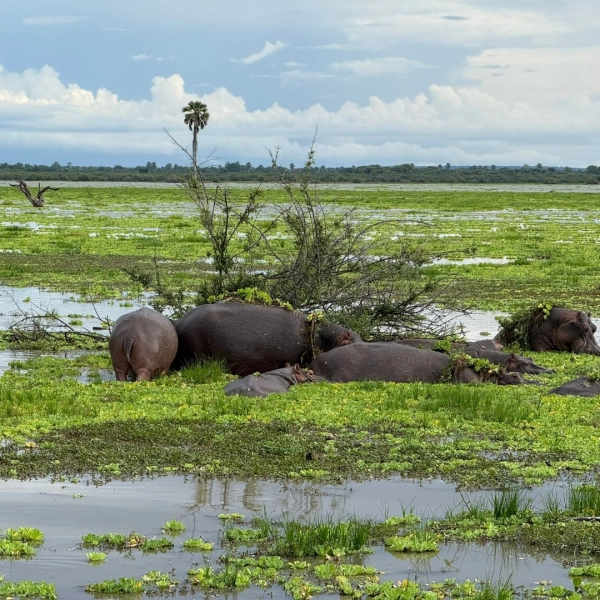
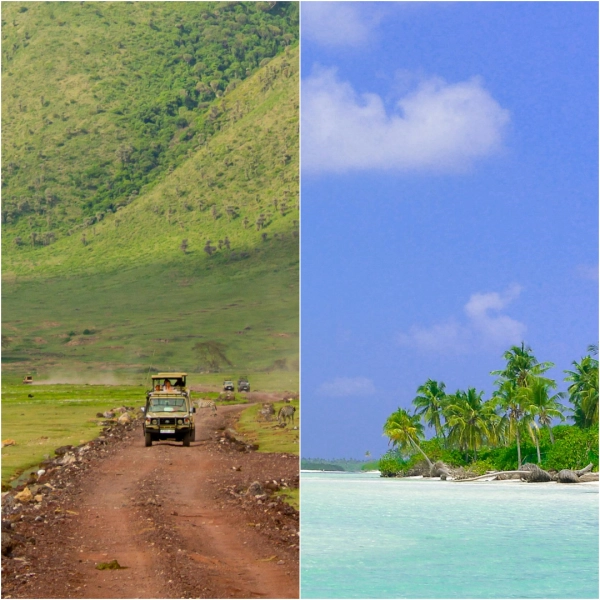
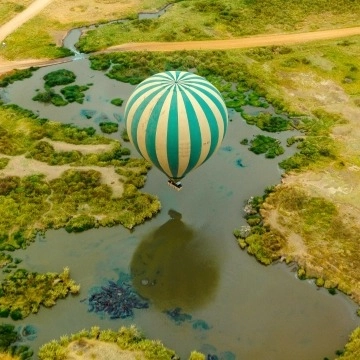
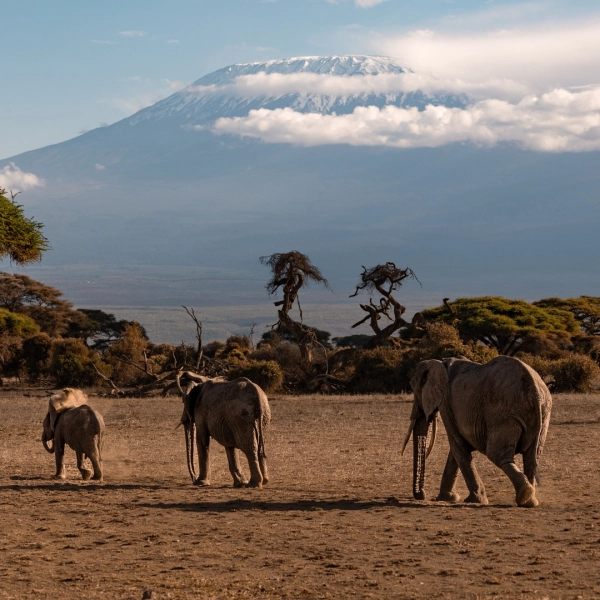
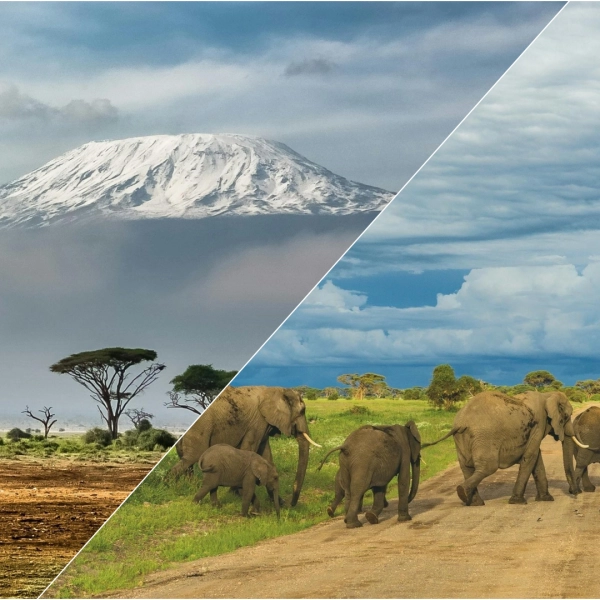
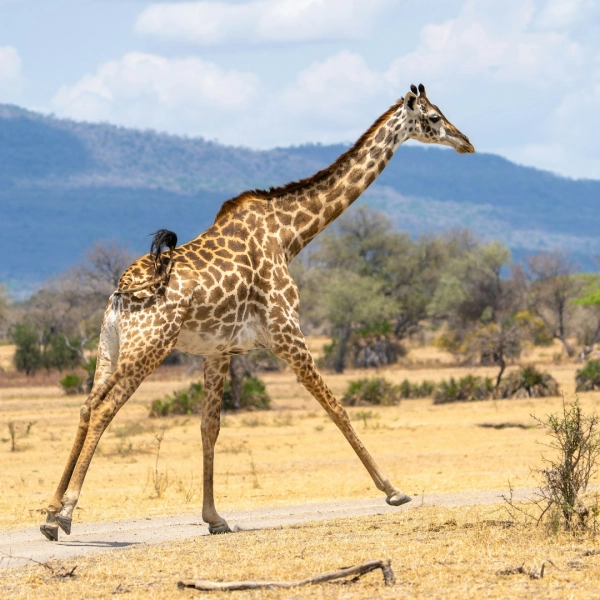
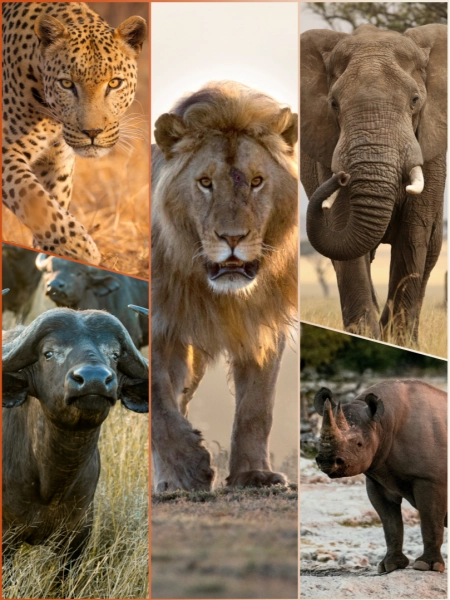
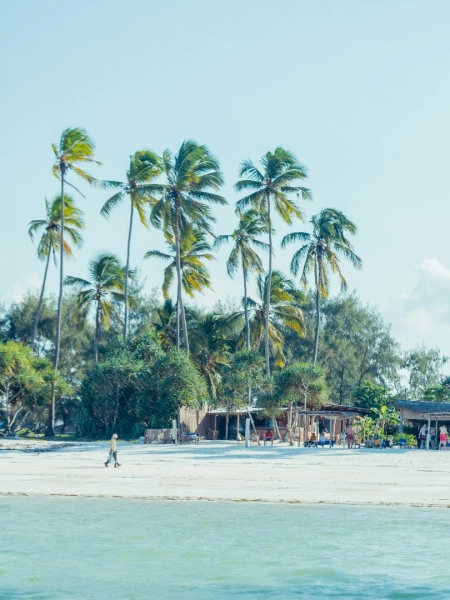
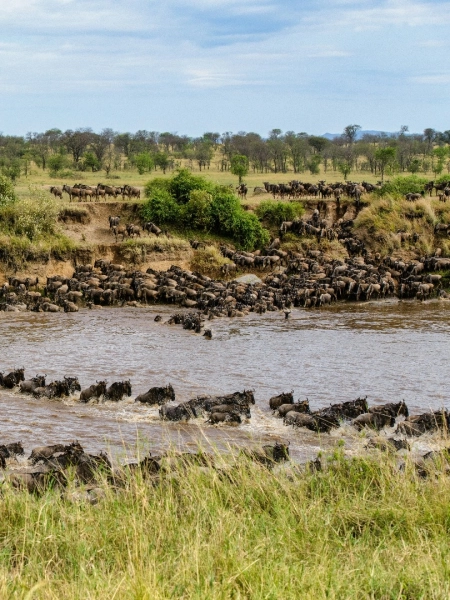
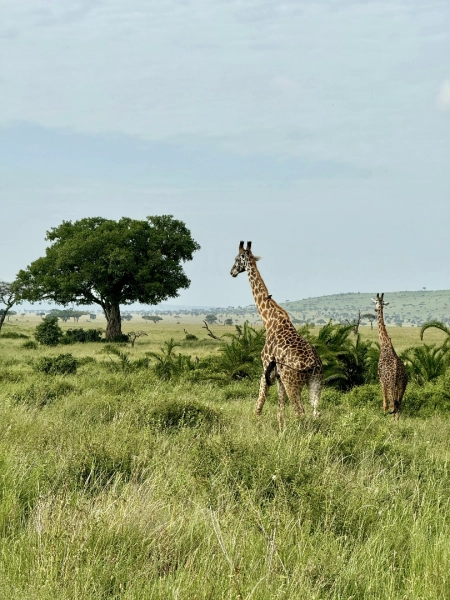
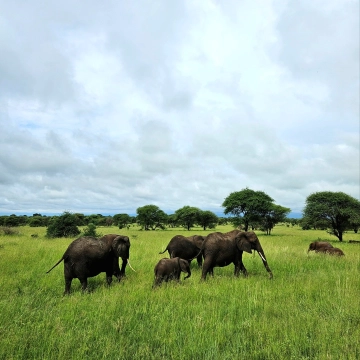
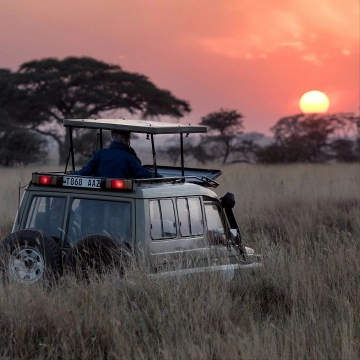
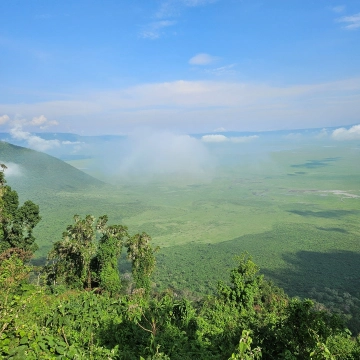
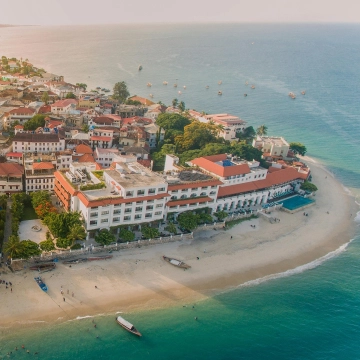
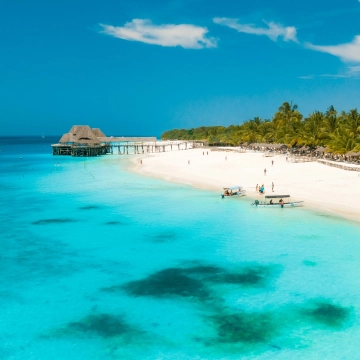
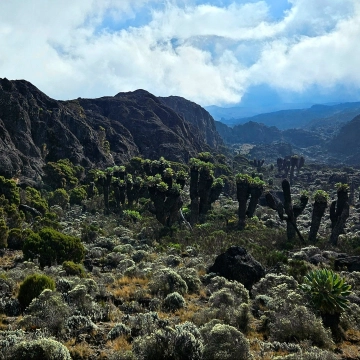
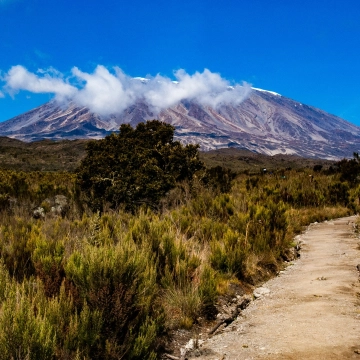
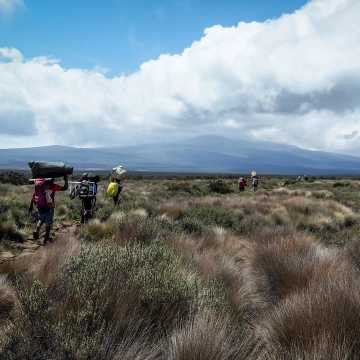
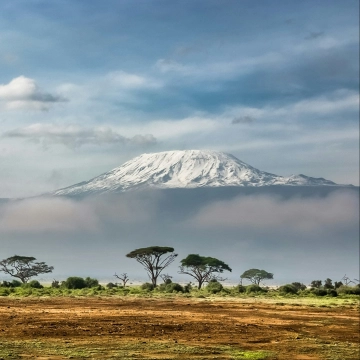
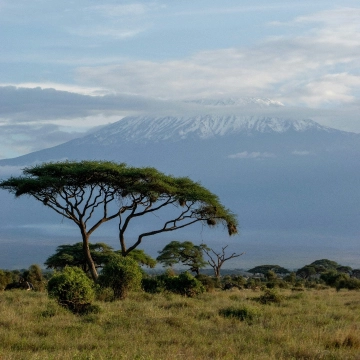
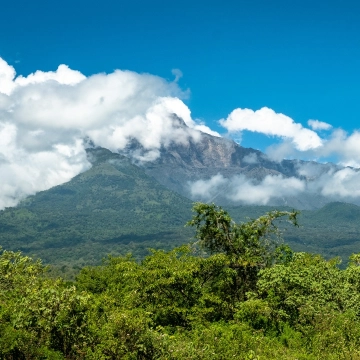
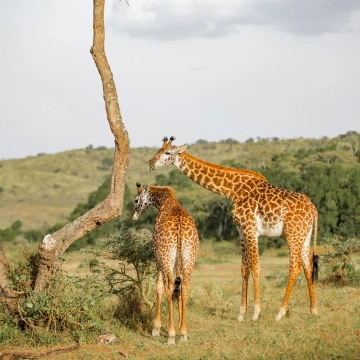
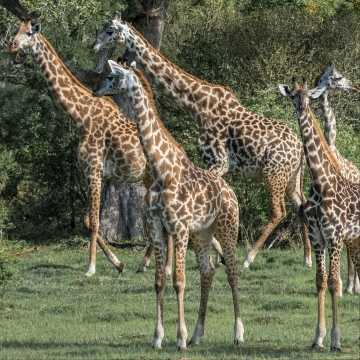
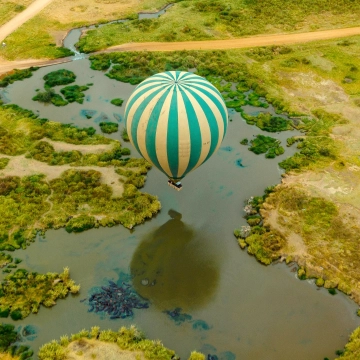
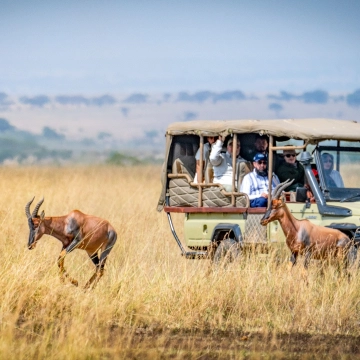
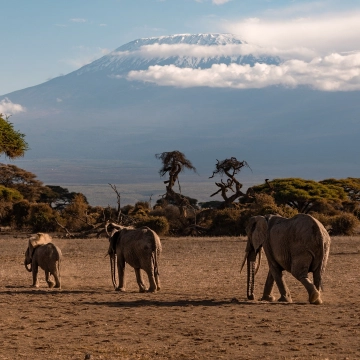
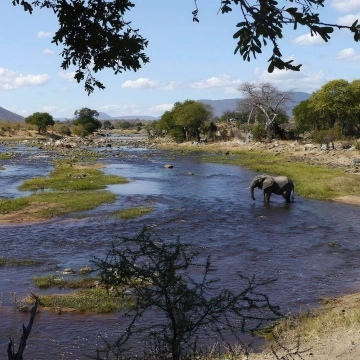
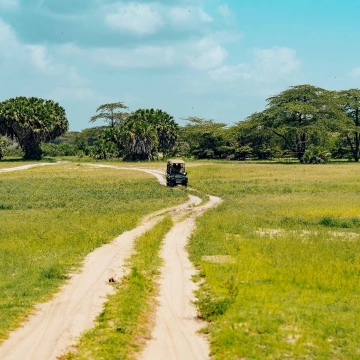
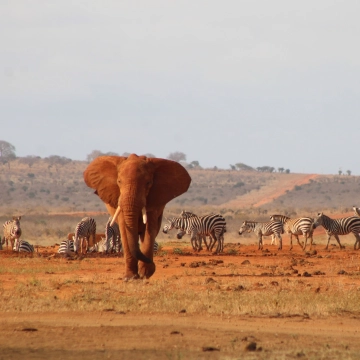
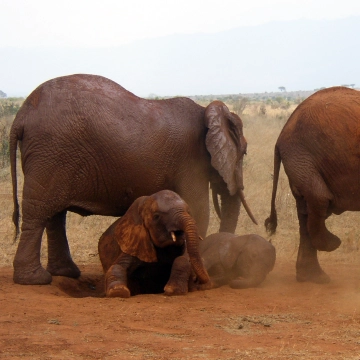
Tanzania is one of the most fascinating travel destinations in Africa. Hardly any other country combines so many different landscapes and experiences at once: vast savannas, national parks full of wildlife, tropical beaches, volcanic landscapes, rainforests, and the spice island of Zanzibar.
Many tourists are familiar with the Serengeti or Kilimanjaro. However, on-site, you quickly realize that Tanzania is much more than just a safari. Especially the warmth of the people and the relaxed atmosphere leave a lasting impression on our guests.
For entry, you need a passport that is valid for at least six months.
The tourist visa currently costs 50 USD and can be:
Many travelers now opt for the e-visa, as it often speeds up entry and reduces waiting time after a long flight.
If you apply for the visa online, you should only use the official website of the Tanzanian immigration authority (https://eservices.immigration.go.tz/visa). There are numerous third-party providers on the internet that often charge significantly higher fees.
Nevertheless, applying directly at the airport currently also works smoothly and quickly in most cases.
The topic of health concerns many first-time travelers particularly strongly and is also a very important issue. In fact, the preparation here is usually less complicated than expected.
We recommend visiting a tropical medicine specialist or general practitioner about 6-8 weeks before departure to go through the current vaccination recommendations in detail and to be able to start vaccinations (if necessary) in time.
Commonly recommended vaccinations include:
A yellow fever vaccination is only mandatory if you are entering from a yellow fever area.
Important for many flights to Tanzania: If staying in a yellow fever endemic area for more than 12 hours – this includes, for example, Ethiopia – a yellow fever vaccination may be required for onward travel. While many transit stays are below this threshold, flight delays can temporarily extend the duration of stay. Therefore, a yellow fever vaccination as a precaution may be advisable.
The current entry requirements can change at any time. Therefore, also inform yourself from official sources such as the Ministry of Foreign Affairs or your tropical medicine specialist: https://www.bmeia.gv.at/reise-services/reiseinformation/land/tansania
Many travelers are concerned about malaria. It is important to know that the risk varies greatly depending on the region and time of travel.
In classic safari regions around Arusha, the risk is significantly lower than, for example, around Lake Victoria or in tropical coastal regions. Whether malaria prophylaxis is advisable should be discussed individually with your doctor or tropical medicine specialist.
Regardless, we recommend
Sunscreen and adequate hydration are also important.
Especially on safari, you are often several hours away from larger cities. Therefore, a small, well-prepared travel pharmacy is worthwhile.
Particularly useful are:
A small flashlight or headlamp can also be practical – especially during power outages in remote lodges.
A good international health insurance is essential for preparing for Tanzania.
We recommend:
Medical treatments or repatriations can quickly become expensive abroad.
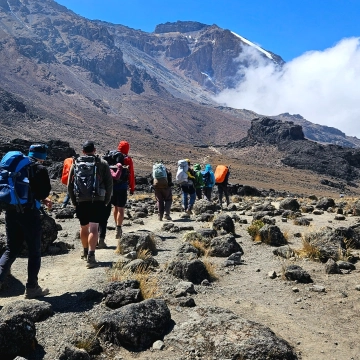
If you are also planning a Kilimanjaro climb, your insurance should also cover high-altitude trekking and possible helicopter rescues.
Payment is made in Tanzanian Shillings or US Dollars.
Especially in tourist areas, US Dollars are accepted almost everywhere. However, it is important to note:
Many hotels and lodges accept Visa credit cards, but fees of 3–5% are often charged. On the other hand, EC cards often do not work reliably.
For small purchases, markets, or tips, it's always advisable to have some cash on hand.
Most hotels and lodges offer Wi-Fi, although it is often slower than in Europe. Those who wish to stay online permanently can easily buy a local SIM card or use an eSIM.
Popular providers include:
Important to know: Tanzania uses British Type G power sockets. Therefore, a travel adapter is essential in your luggage.
Power outages occur occasionally, especially in rural areas or on Zanzibar. This is somewhat common in Africa and usually not a problem.
Many people wonder if Tanzania is safe before their first trip to Africa.
In general, Tanzania is considered a very friendly and relatively safe travel destination. However, as everywhere in the world, some basic things should be considered:
Respectful interaction with the local culture is particularly important.
For example, on Zanzibar, the population is predominantly Muslim. Outside of hotels and beaches, shoulders and knees should be covered.
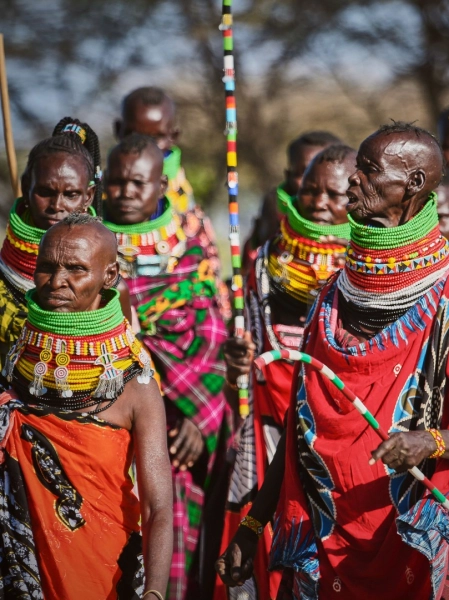
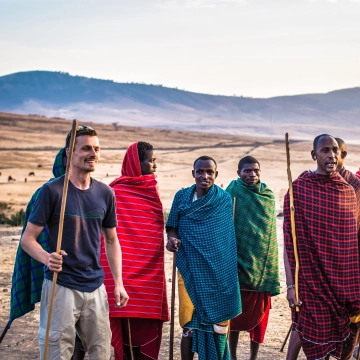
Also, when taking photos: Never photograph people without permission, especially not members of traditional ethnic groups like the Maasai.
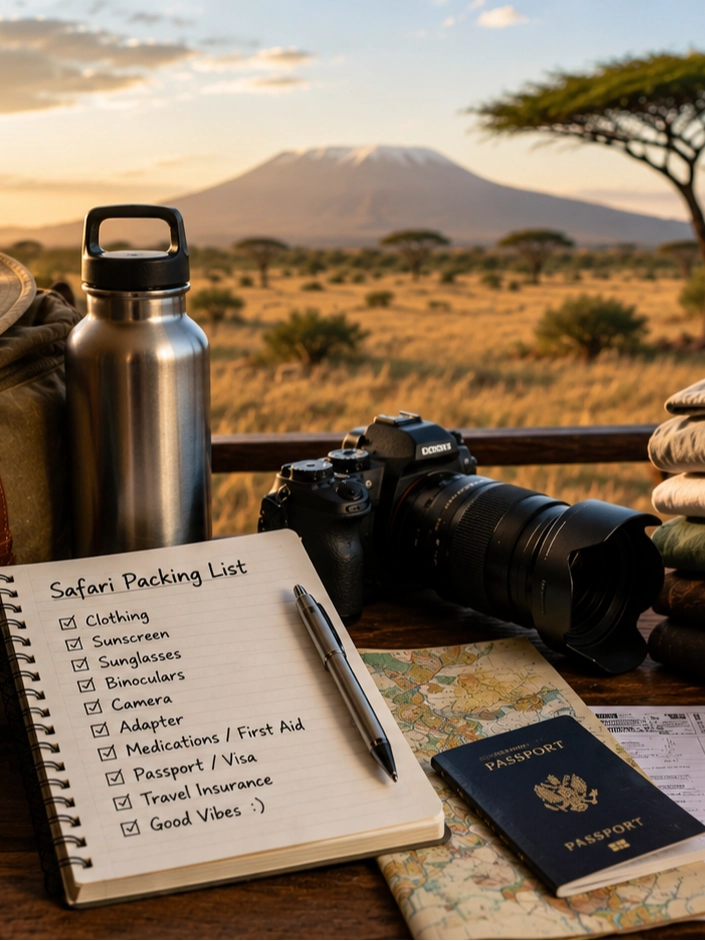
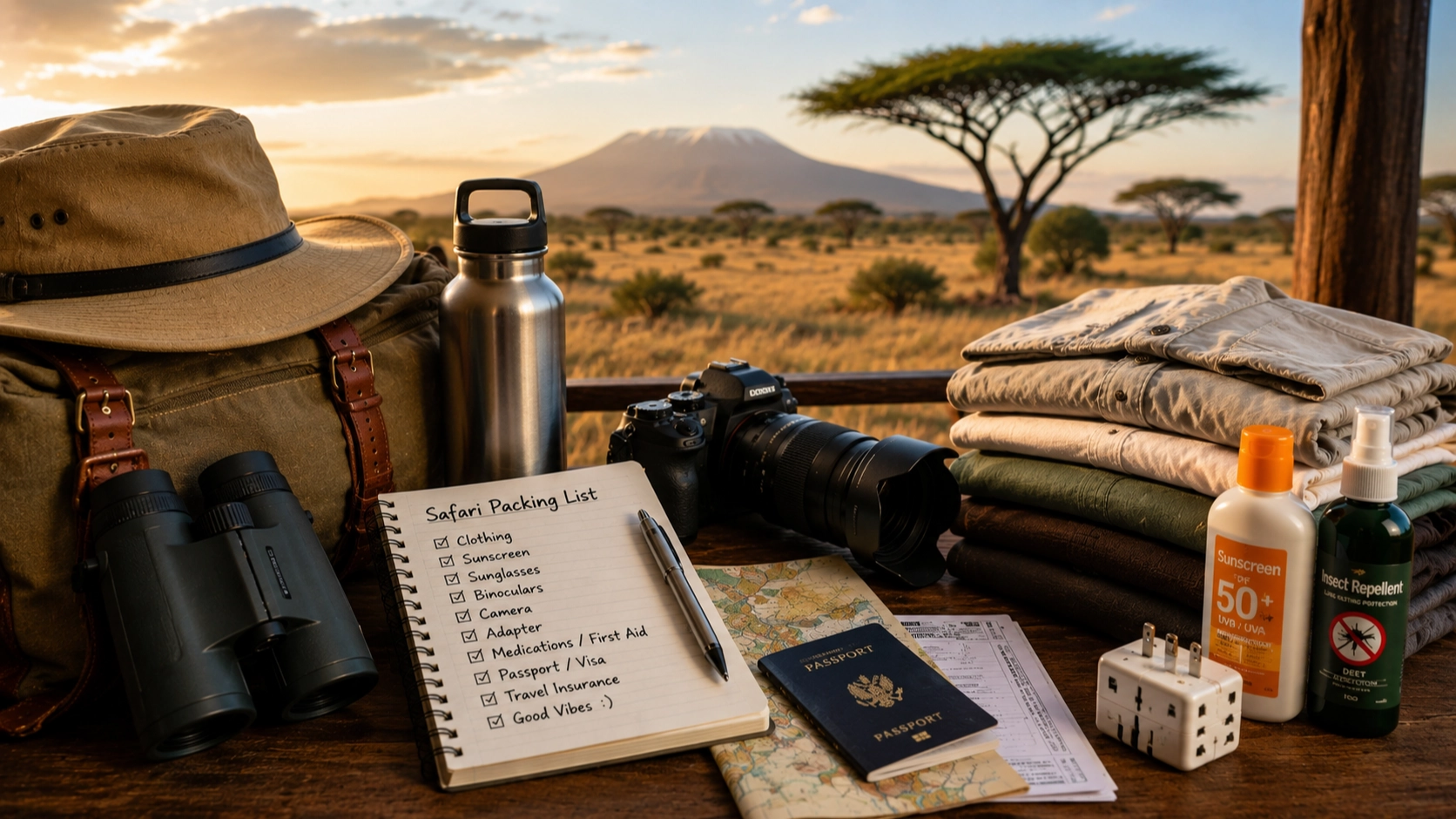
Who doesn't know it? For vacations, we usually pack way too much. For Tanzania, practical and light is better than complicated and too much.
Especially useful items are:
Those going on a safari usually need less clothing than expected. Many lodges offer laundry services.
Tanzania thrives on tourism and the protection of its unique nature.
That's why sustainable travel is particularly important:
Even small things make a difference, such as using reusable water bottles instead of single-use plastic.
Most guests are surprised at how uncomplicated and pleasant everything is after their first trip.
Of course, Africa is different from Europe. However, that's what makes the trip so special. Those who travel openly and prepare well will likely experience Tanzania not just as a vacation but as a real adventure.
And don't worry: You don't have to be an experienced backpacker or safari pro to feel comfortable in Tanzania.
In the next part of our series for first-time Africa travelers, we will show you what a safari in Tanzania is really like, from the first game drives to daily life in the lodges in the middle of the savannah.