Sooner or later, everyone dreaming of their first safari is faced with the same question: Kenya or Tanzania? These two countries are located side by side in East Africa, even sharing landscapes and animal migrations – yet each of them has its own unique feel. Before we reveal why the most beautiful answer is often "both," let's take a look at what sets them apart.
At first glance, Kenya and Tanzania may seem similar: golden savannah, endless horizons, the Big Five. However, upon closer inspection, it becomes clear that each country has its own distinct rhythm.
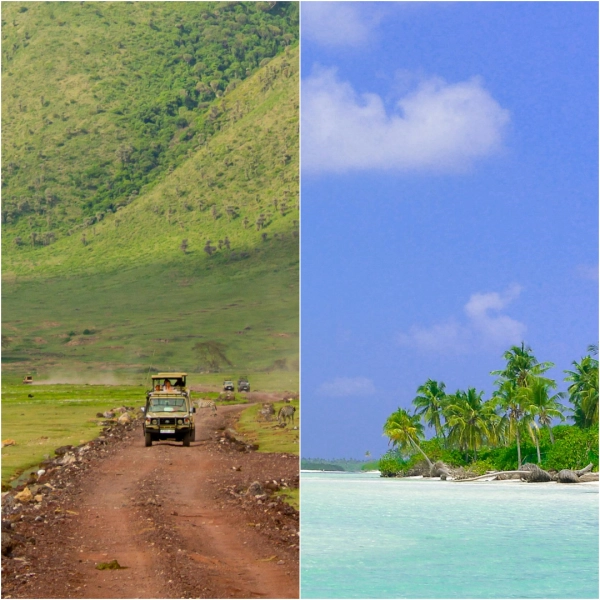
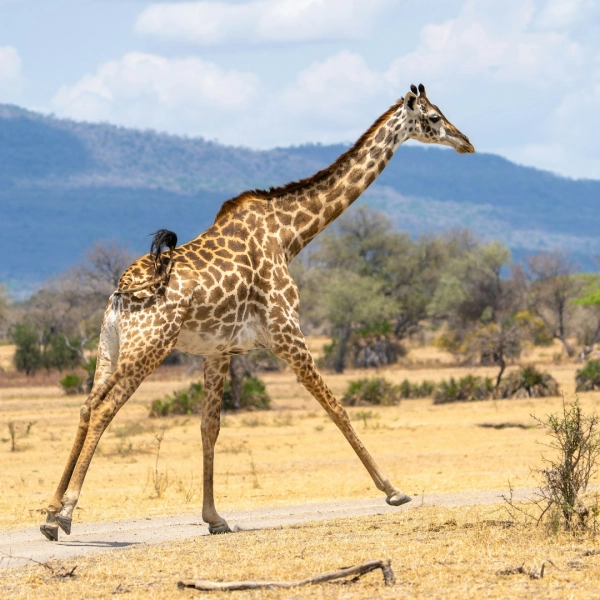
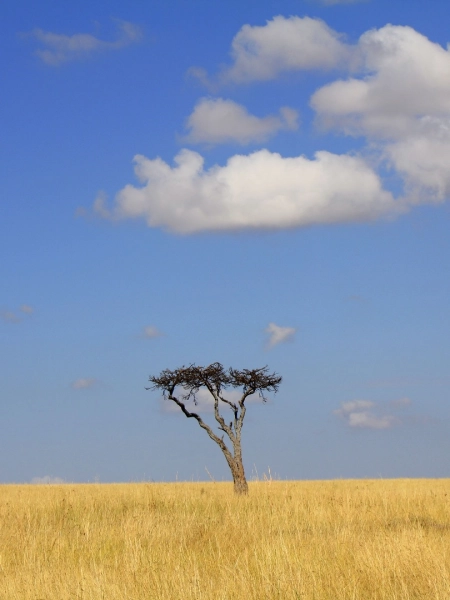
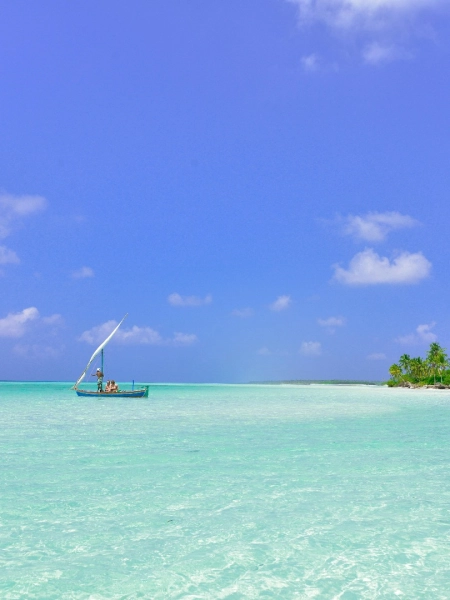
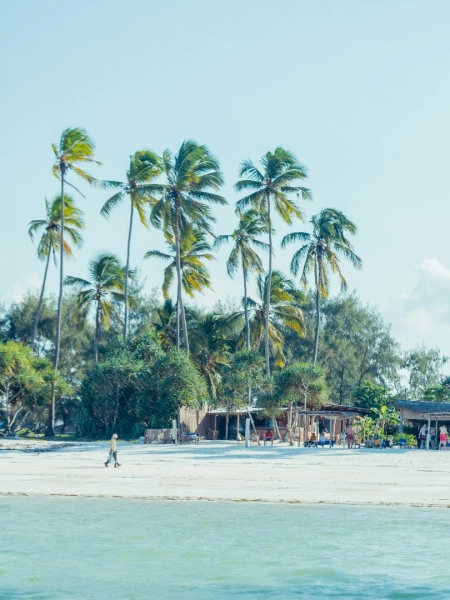
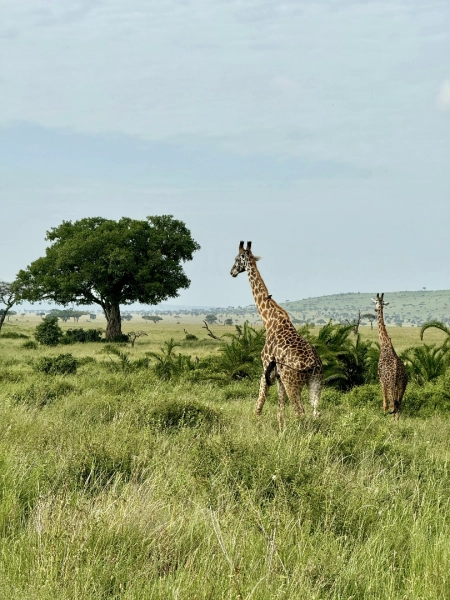
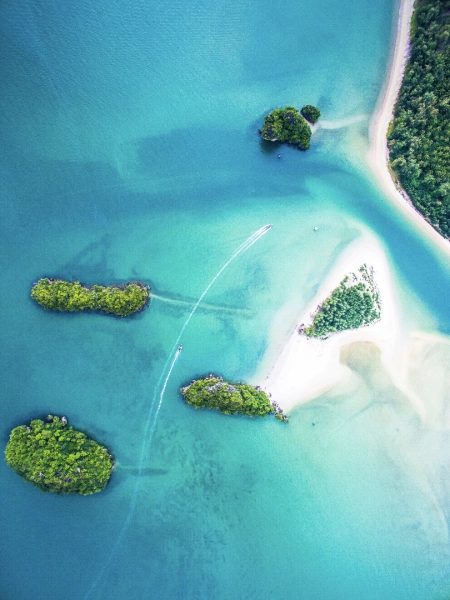
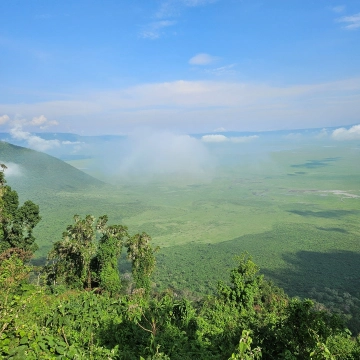
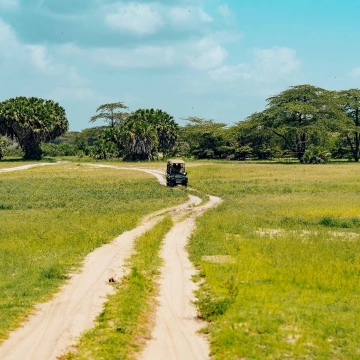
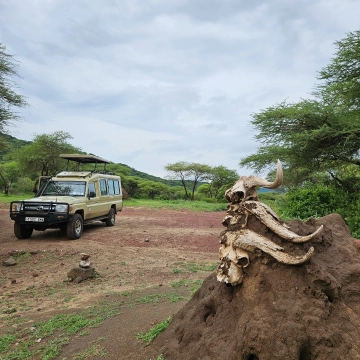
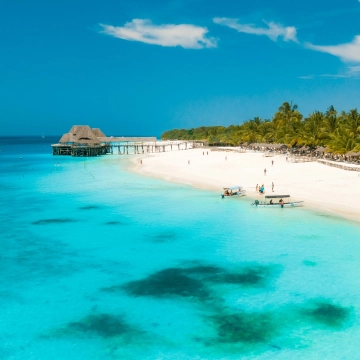
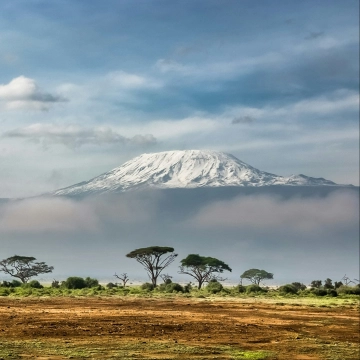
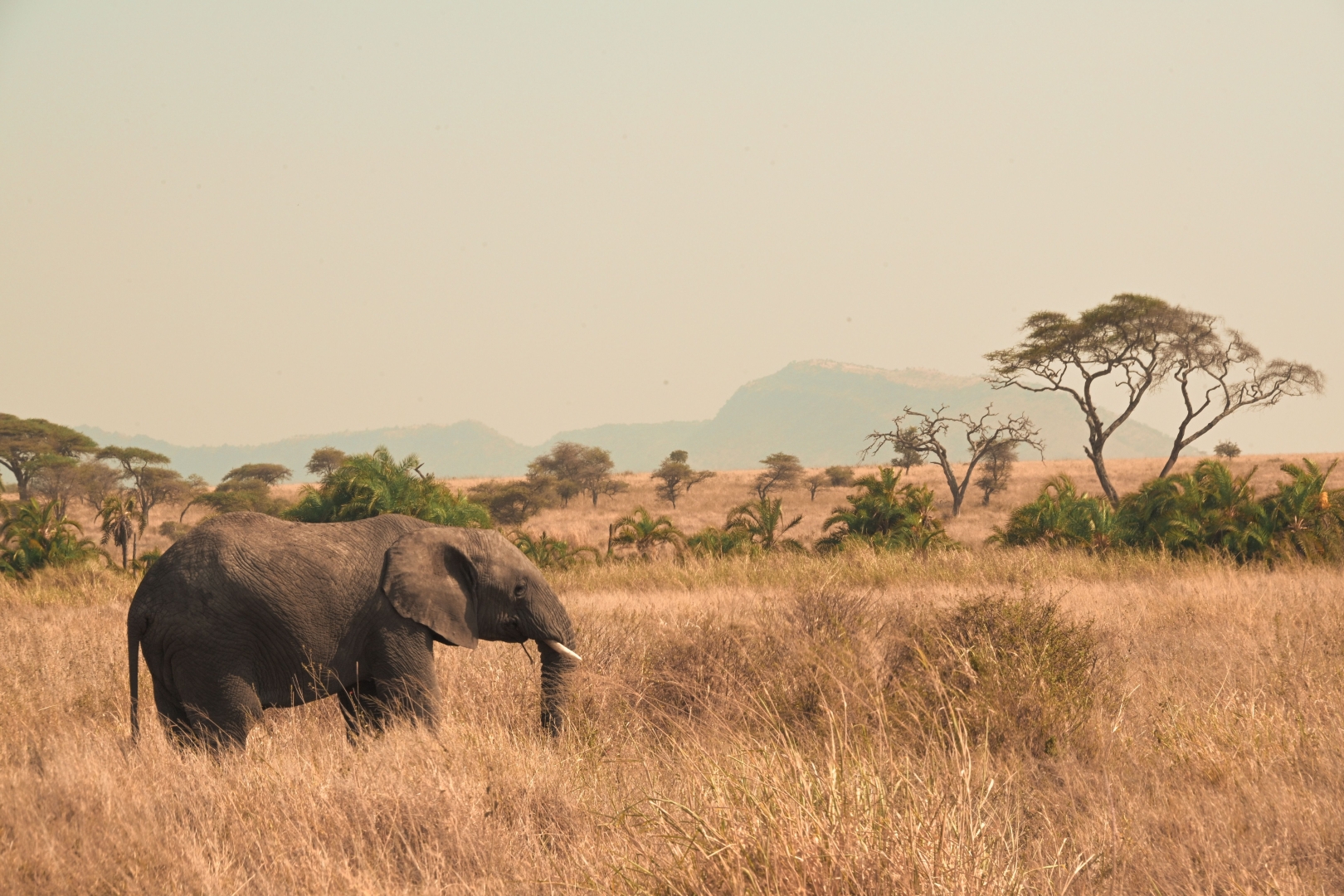
Tanzania stands for boundless expanses. Here lies the legendary Serengeti, whose name in the Maasai language translates to "endless land" – and that's exactly how it feels. Add to that the Ngorongoro Crater, where wildlife gathers in a natural arena, the baobab landscapes of Tarangire, and Africa's highest peak, Mount Kilimanjaro. The parks are vast, the drives longer, and the sense of untouched wilderness often particularly intense. And if you want to dip your toes in the sea after dusty safari days, Zanzibar awaits with white beaches just a short flight away.
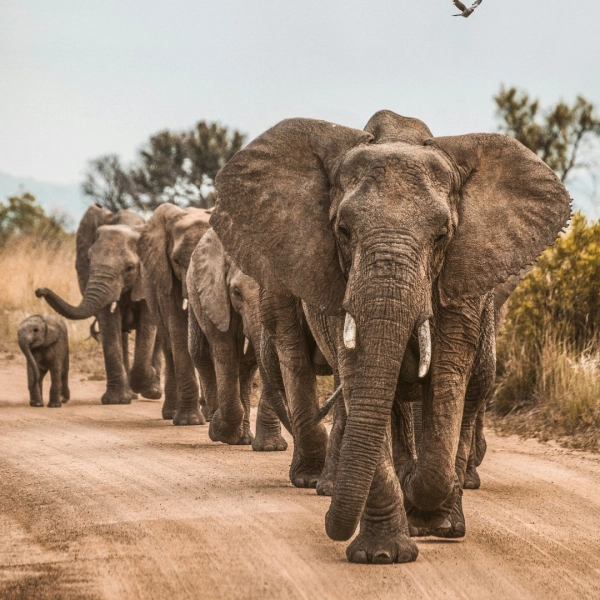
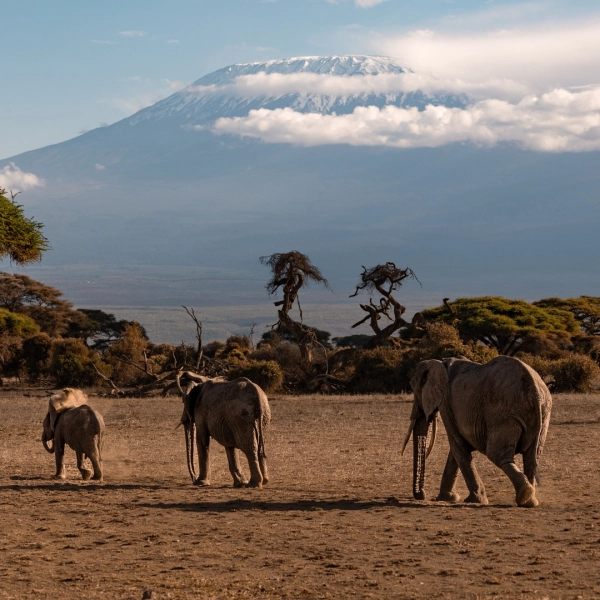
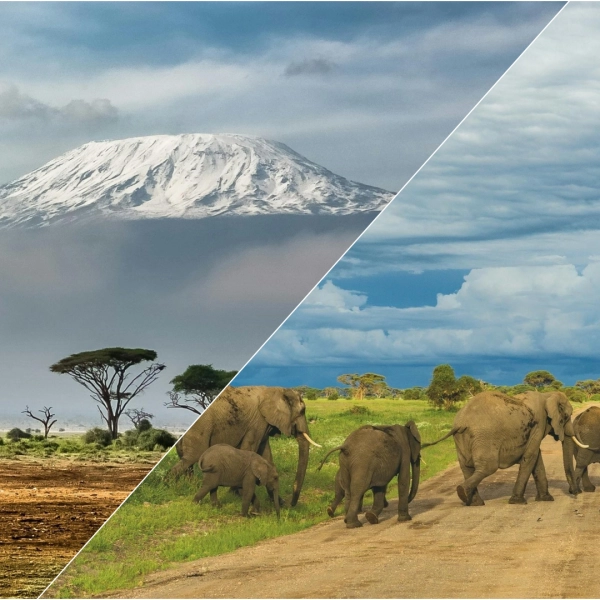
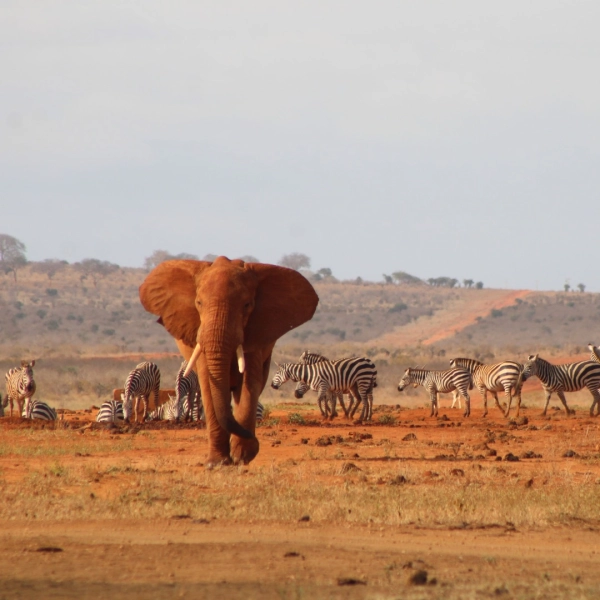
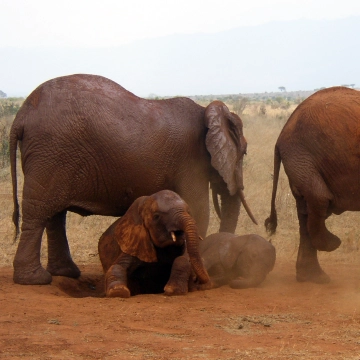
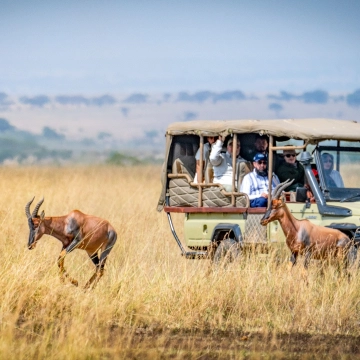
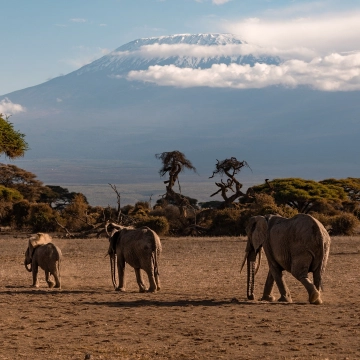
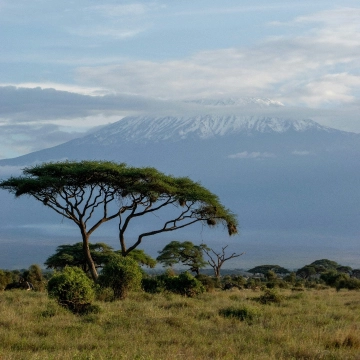
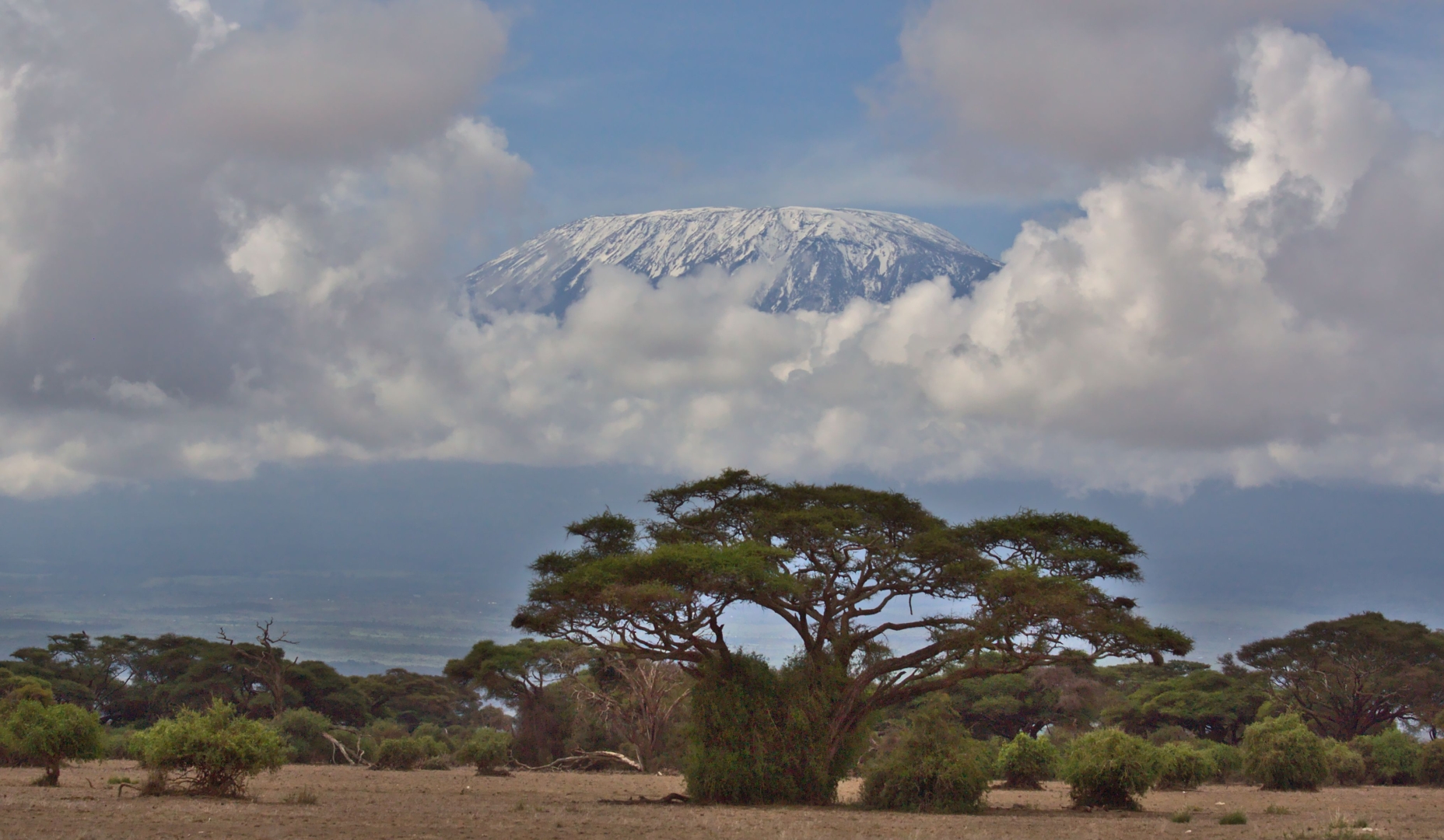
Kenya is the land of diversity within short distances. It is no coincidence that it is considered the birthplace of safari – the word "safari" comes from Kiswahili and simply means "journey." In the Masai Mara, wildlife often congregates as densely as at hardly any other place, and in Amboseli, elephant herds pass by against the snowy backdrop of Kilimanjaro – one of Africa's most famous images. Between lakes, highlands, and savannah, there are relatively short distances, and the safari infrastructure is well established. This allows you to experience a remarkable range of landscapes in just a few days.
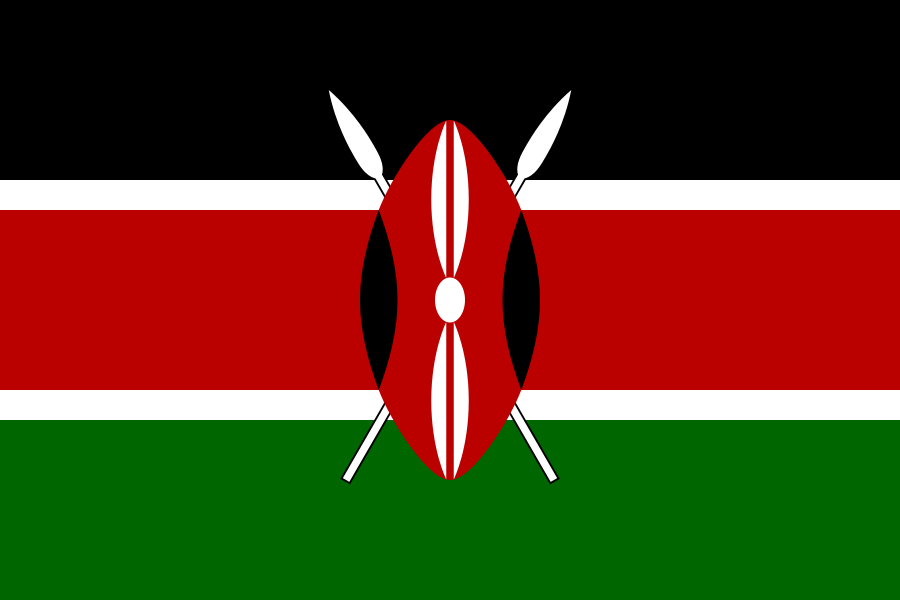
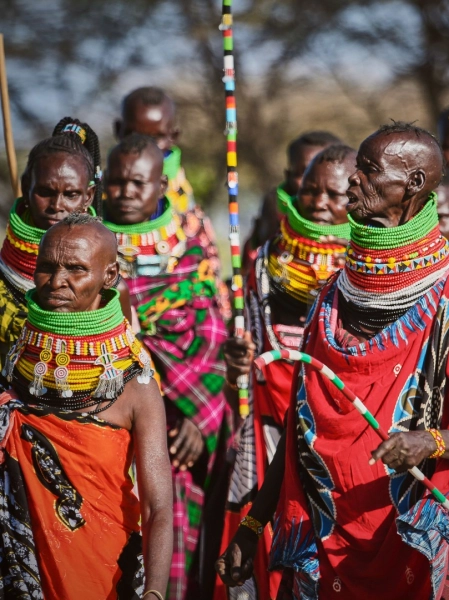
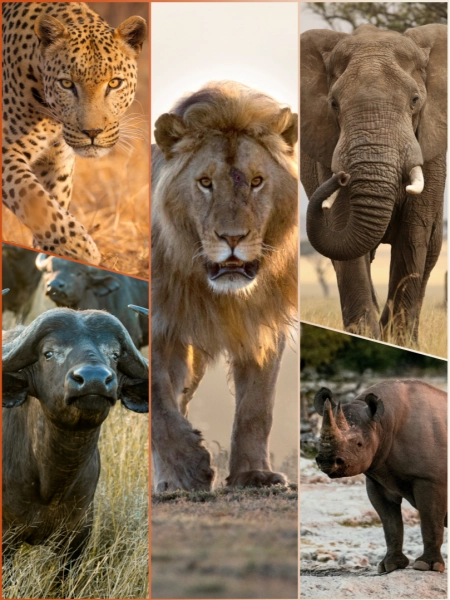
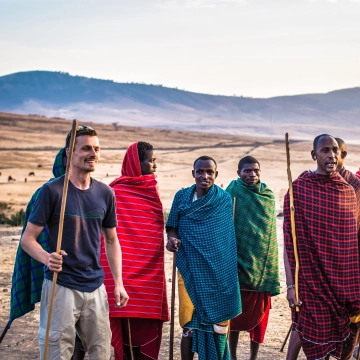
As different as their characters are, the common ground is vast. Kenya and Tanzania share the same East African natural environment – including the Big Five, vast savannahs, and an unparalleled richness of wildlife. Culturally, the boundaries are fluid: the Maasai live on both sides of the border, and Kiswahili is spoken in both countries. Everywhere, you can expect the same warm hospitality and the same quality of accommodations – from rustic tented camps in the wilderness to comfortable lodges overlooking the plains.
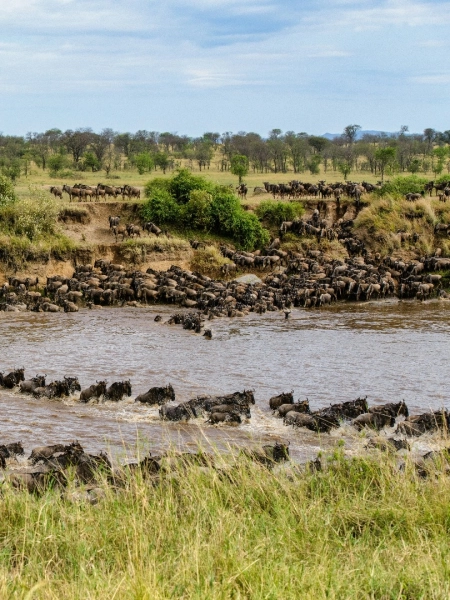
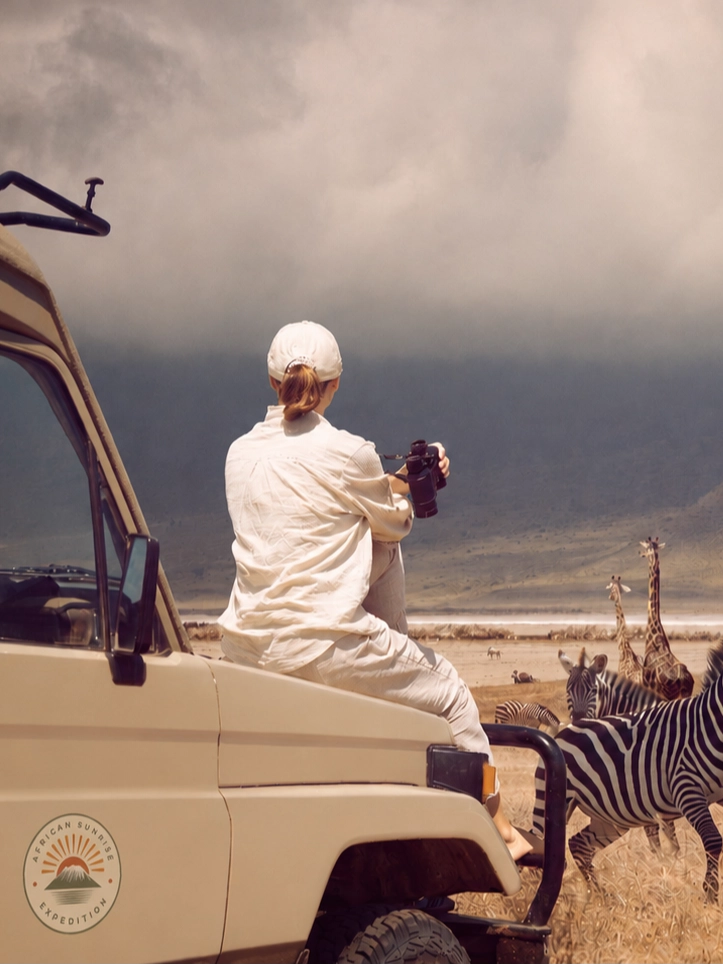
But perhaps the most beautiful link crosses the border every year: the Great Migration. Over a million wildebeests and hundreds of thousands of zebras follow the rain in an eternal cycle between the Serengeti and the Masai Mara – a single large ecosystem shared by two countries.
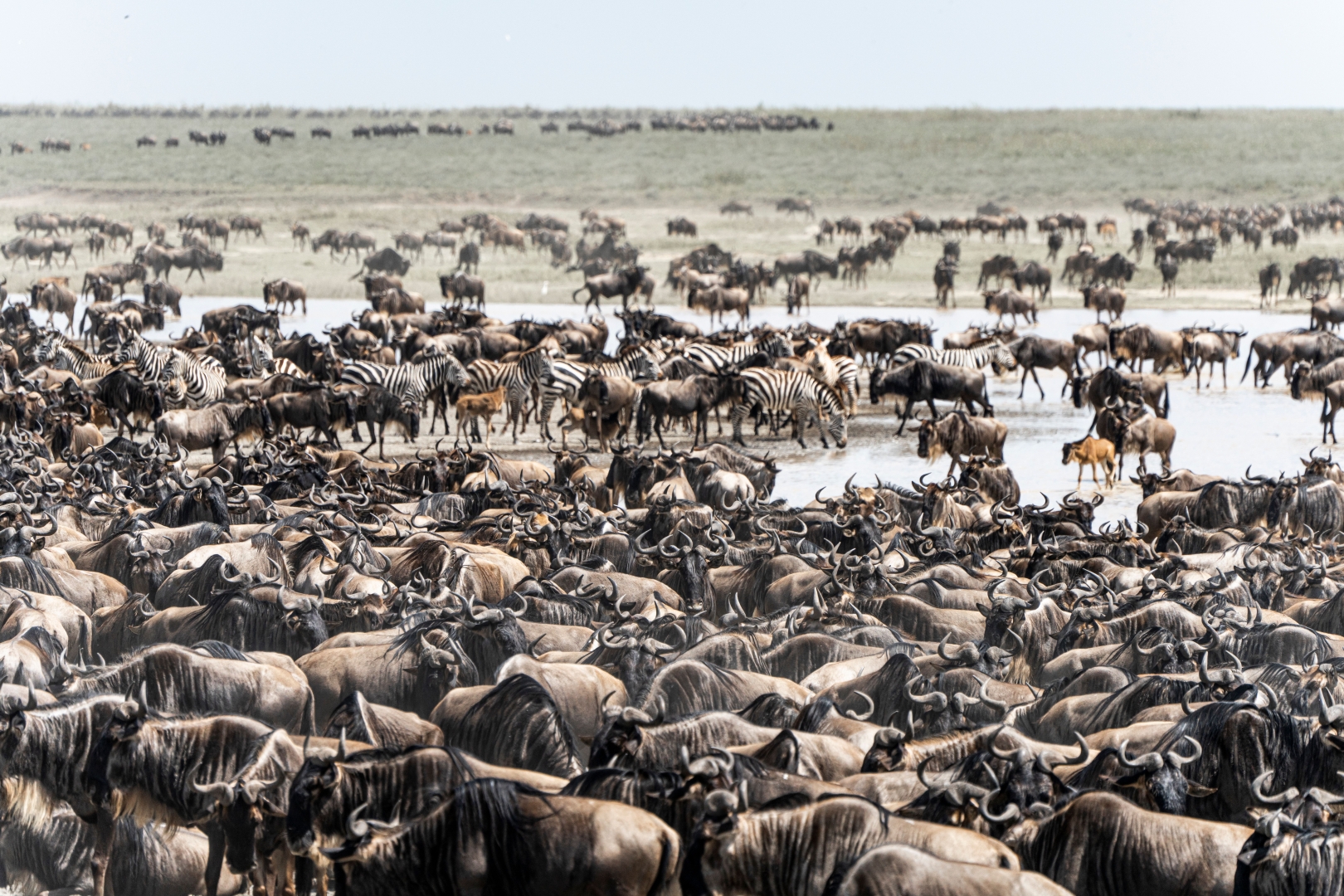
What may seem like an either-or question at first glance is actually the perfect combination. Traveling to both countries allows you to experience the Great Migration from two perspectives: the moving calving weeks in January and February in the southern Serengeti, when tens of thousands of wildebeest calves are born – and the spectacular river crossings in the Masai Mara between July and October, when the herds plunge into the waters.
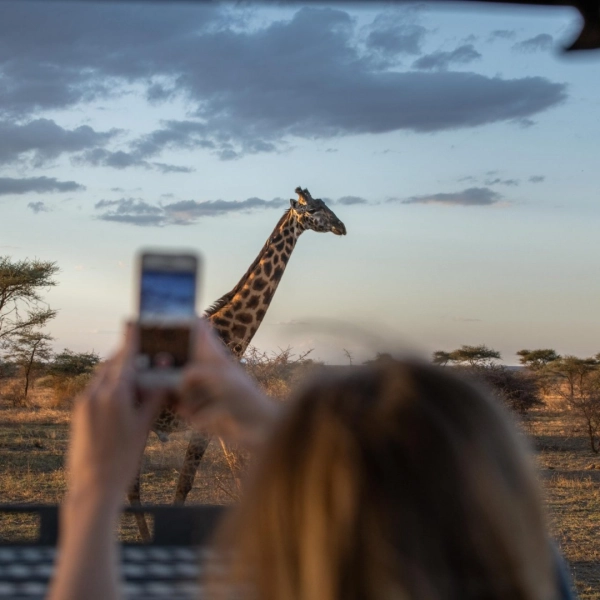
Landscape-wise, the two complement each other ideally. The endless tranquility of Tanzanian expanses meets the concentrated wildlife of the Mara. You can photograph the elephants of Amboseli against the backdrop of Kilimanjaro – and stand at the foot of the same mountain in Tanzania a few days later. And because both countries are direct neighbors, such a journey can be remarkably harmoniously combined: from the savannah to the highlands and to the beaches of Zanzibar, all without compromises. In the end, you get not half, but the whole story of East Africa.
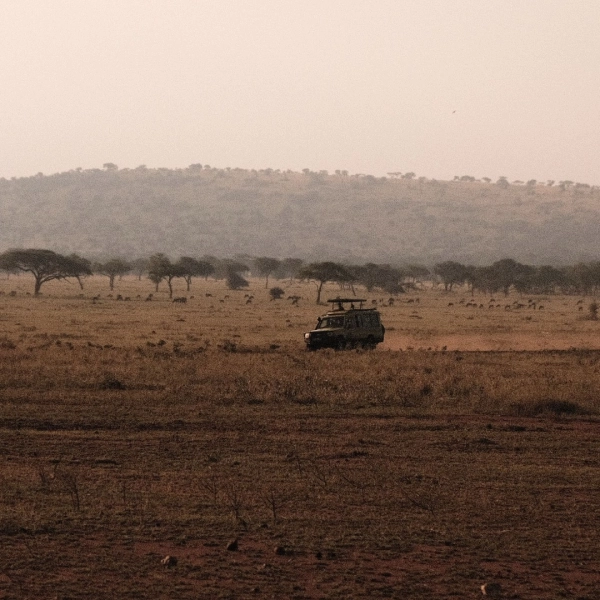
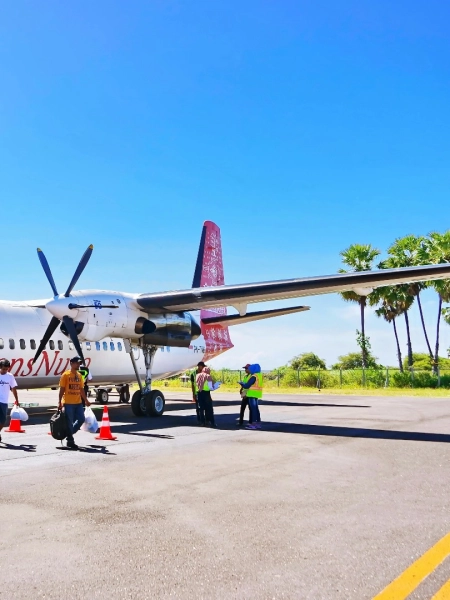
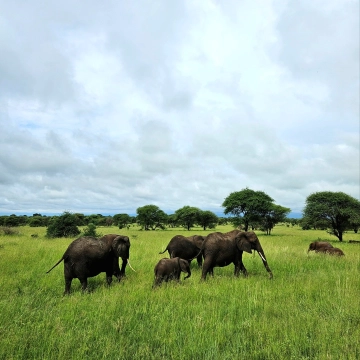
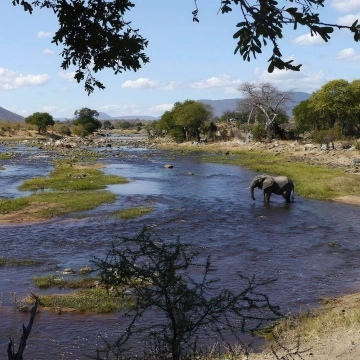
How can all of this be combined into a single trip? The most beautiful way to start such a route is in Tanzania and end in Kenya – or vice versa, depending on the season and the status of the Great Migration. You typically start at Kilimanjaro International Airport and spend the first night in lively Arusha, the gateway to northern Tanzania. From there, you head to Tarangire National Park with its ancient baobabs and large elephant herds, then down to the Ngorongoro Crater, where wildlife gathers in a natural arena.
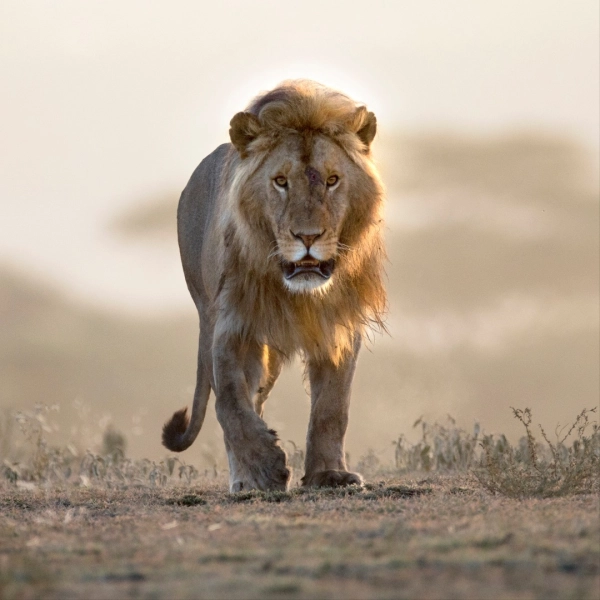
Next, several days are spent in the endless Serengeti – time for lions, cheetahs, and vast horizons, particularly impressive in the south during the wildebeest calving season (January and February). After that, you switch – usually by a short flight – over to Kenya in the Masai Mara, the densest wildlife stage in East Africa and the scene of spectacular river crossings between July and October. A detour to Amboseli National Park finally delivers the most famous image of East Africa: elephants against the snowy backdrop of Kilimanjaro. And if you wish, you can end the journey with a few relaxing days by the sea – in Zanzibar or on Kenya's coast – before heading back home.
Kenya or Tanzania?
The most honest answer is: Why not both?
Each country is worth a visit on its own. But together, they create an experience that is greater than the sum of its parts. That's exactly what we're here for: We plan your safari individually and step by step, with a well-coordinated team on-site and the support of an Austrian contact person by your side. Tell us about your dream of East Africa. We combine the best of two countries for you into a single, unforgettable journey.